
Elimu Haina Mwisho: Education Has No End
A nationally recognized pathway for young women to re-enter secondary education, gain vocational skills, and build economic independence.

Too Many Young Women Are Left Behind
In Tanzania, approximately 5,500 girls each year cannot continue secondary education due to adolescent pregnancy and early motherhood. The Gender Parity Index in secondary education has dropped from 0.97 in 2022 to 0.70 in 2025. Only 57 out of 100 students who enter Form 1 reach Form 4.
A Second Chance, Built to Scale
Since 2018, Elimu Haina Mwisho has given 11,511 young women a second chance at education through 54 Folk Development Colleges. The program combines secondary studies with vocational training, life skills, and entrepreneurship, with on-campus daycare so young mothers can attend classes.
- Began as pilot in 3 FDCs (2018), scaled to all 54 FDCs (2022)
- 2025: Aligned with national vocational secondary curriculum (NVA Levels 1-3, 3-year program)
- Four components: Secondary studies + Vocational training + Life skills + Entrepreneurship
- Kiswahili as language of instruction (2020 government directive)
- On-site daycare enables young mothers to attend: 37 centers, 1,037 children
In 2025, the program was restructured to align with the national vocational secondary curriculum (NVA Levels 1–3), enabling students to graduate with both academic qualifications and practical skills over a three-year program.
Skills That Build Livelihoods
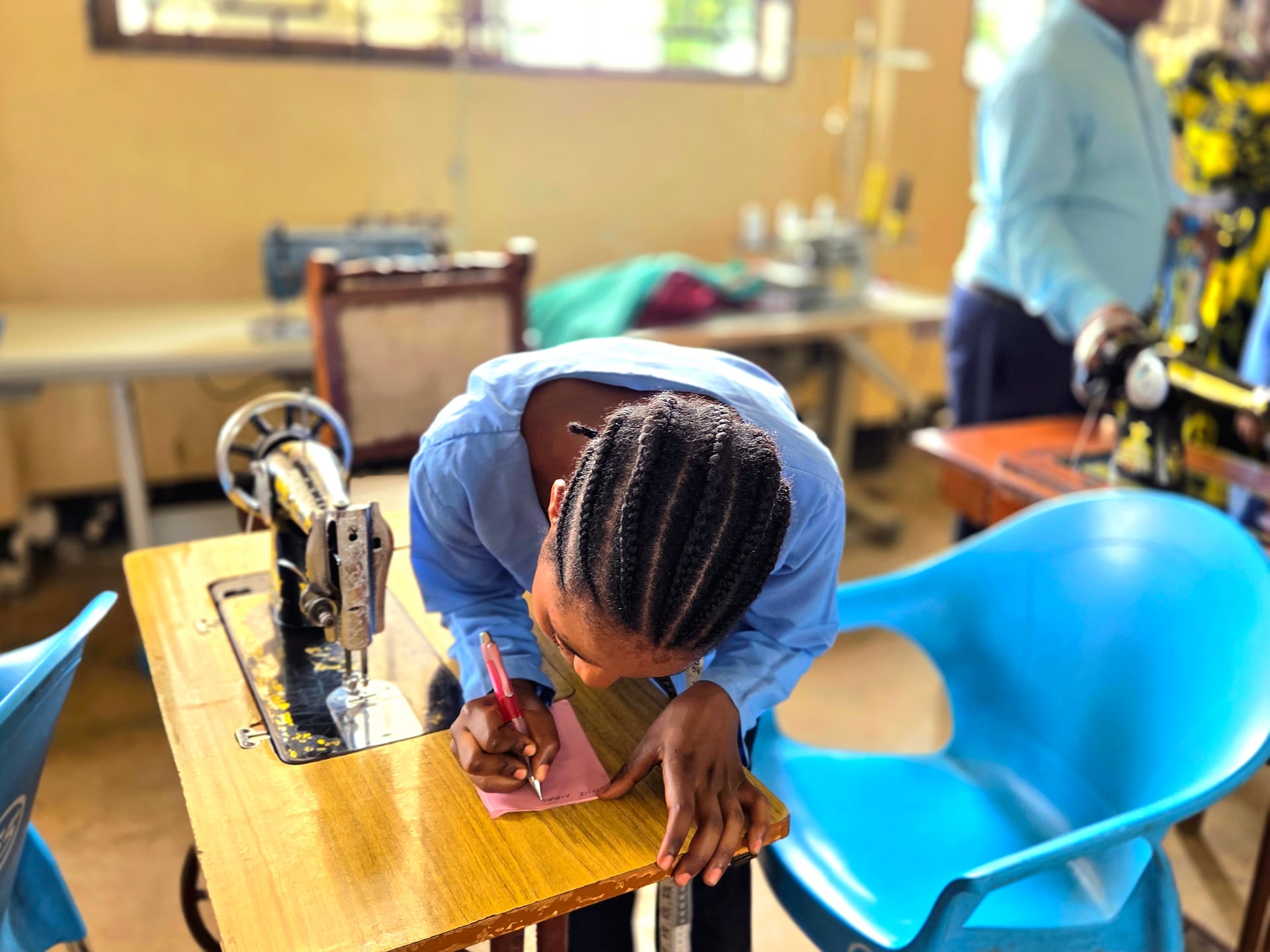
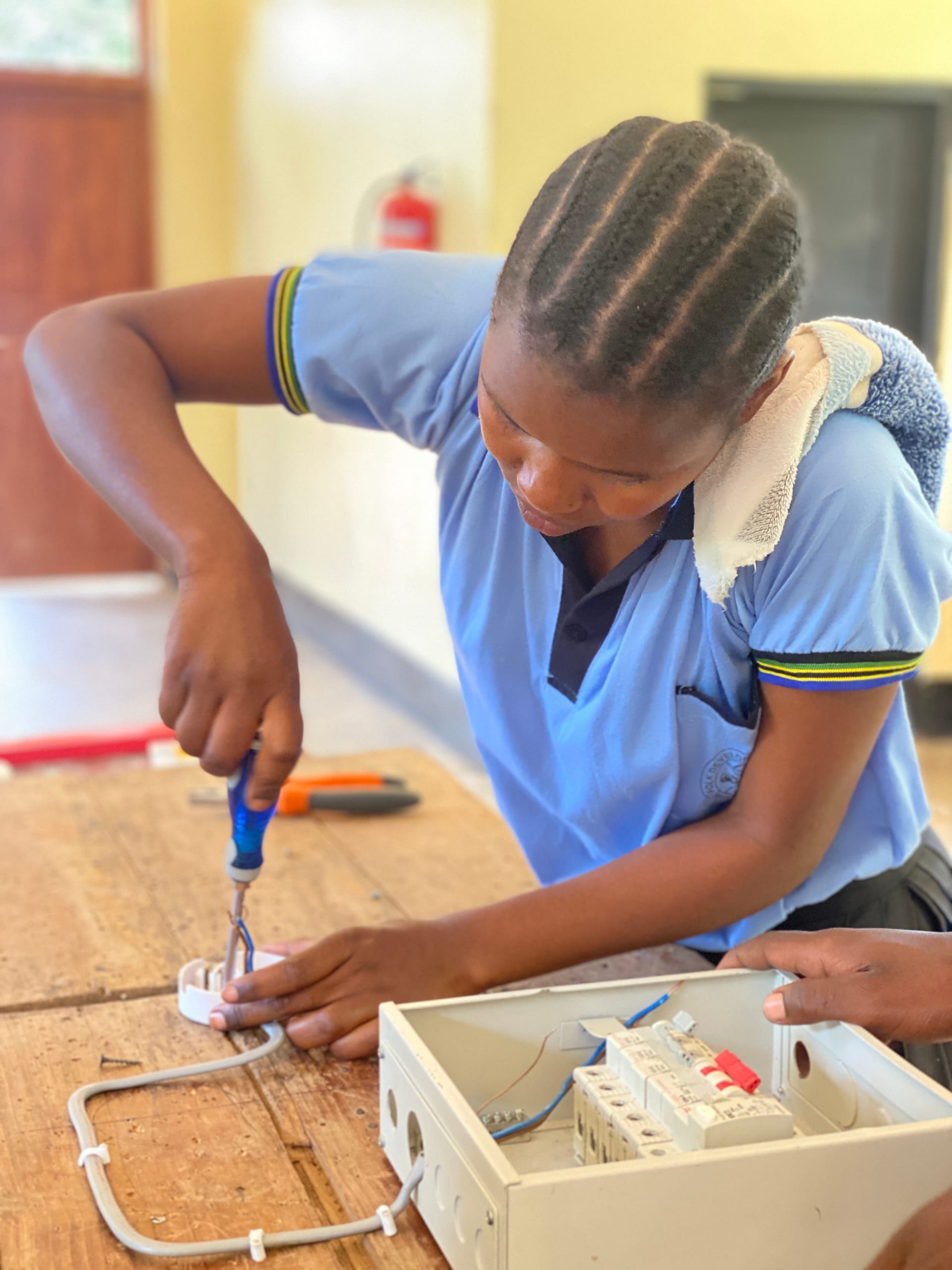
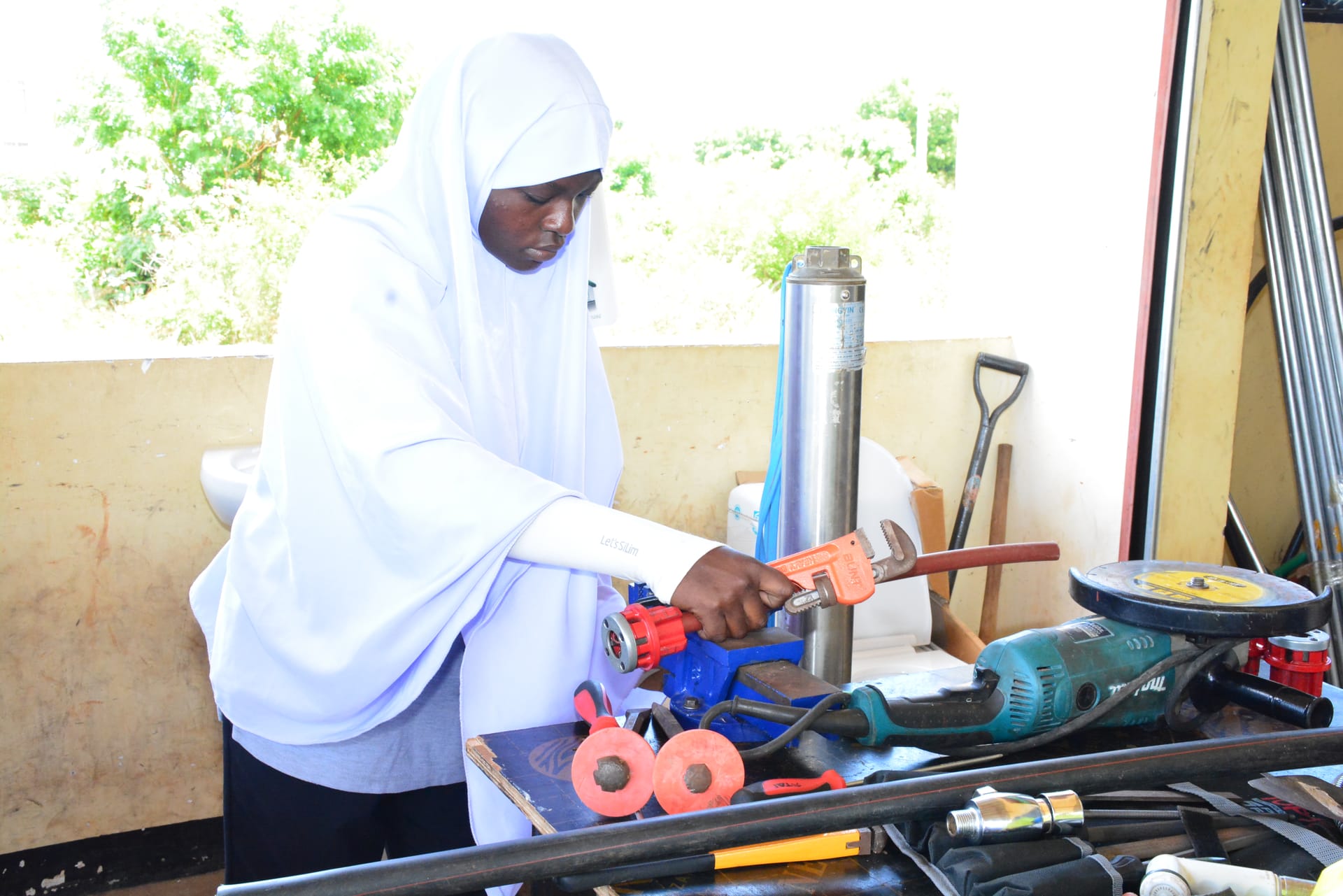
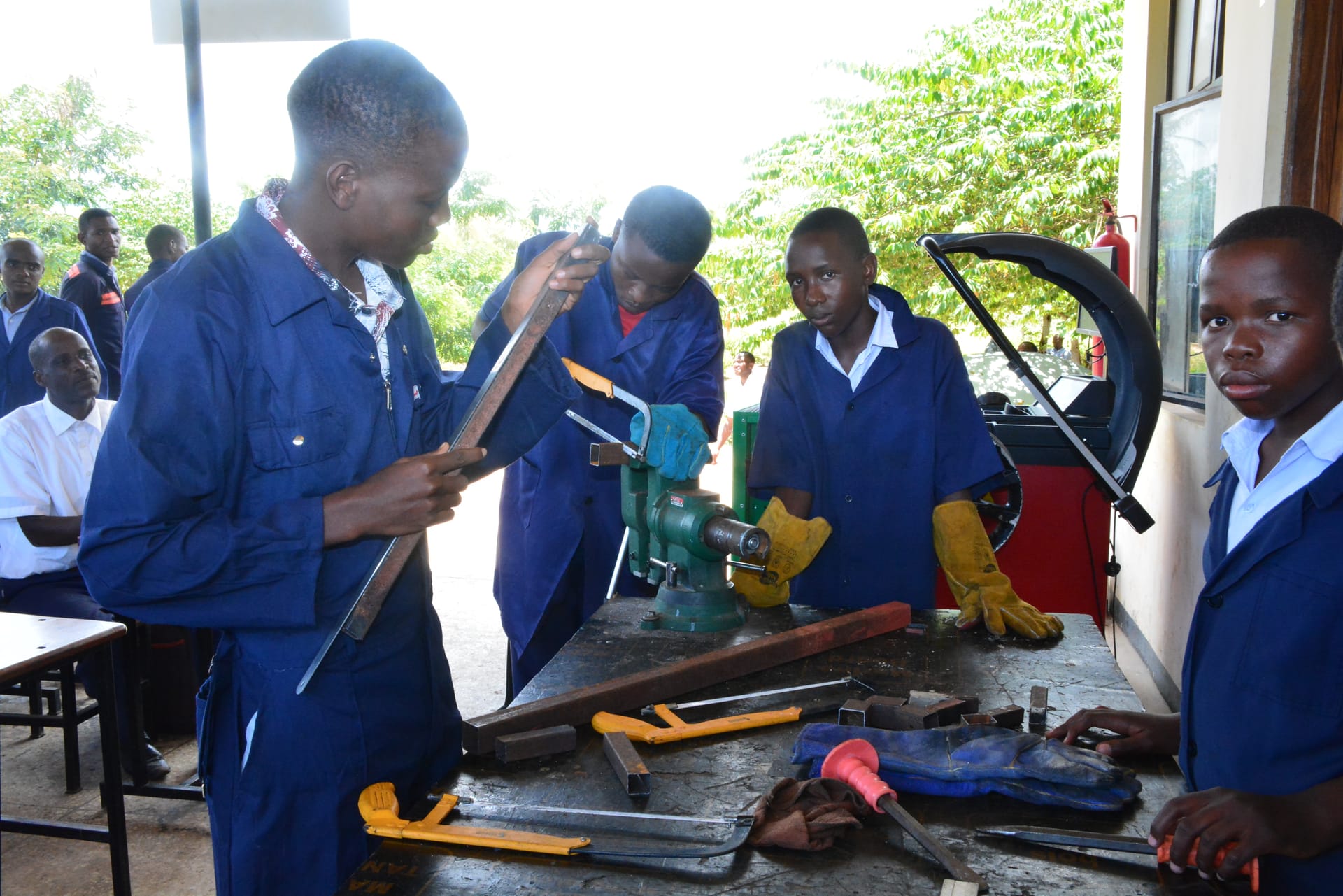
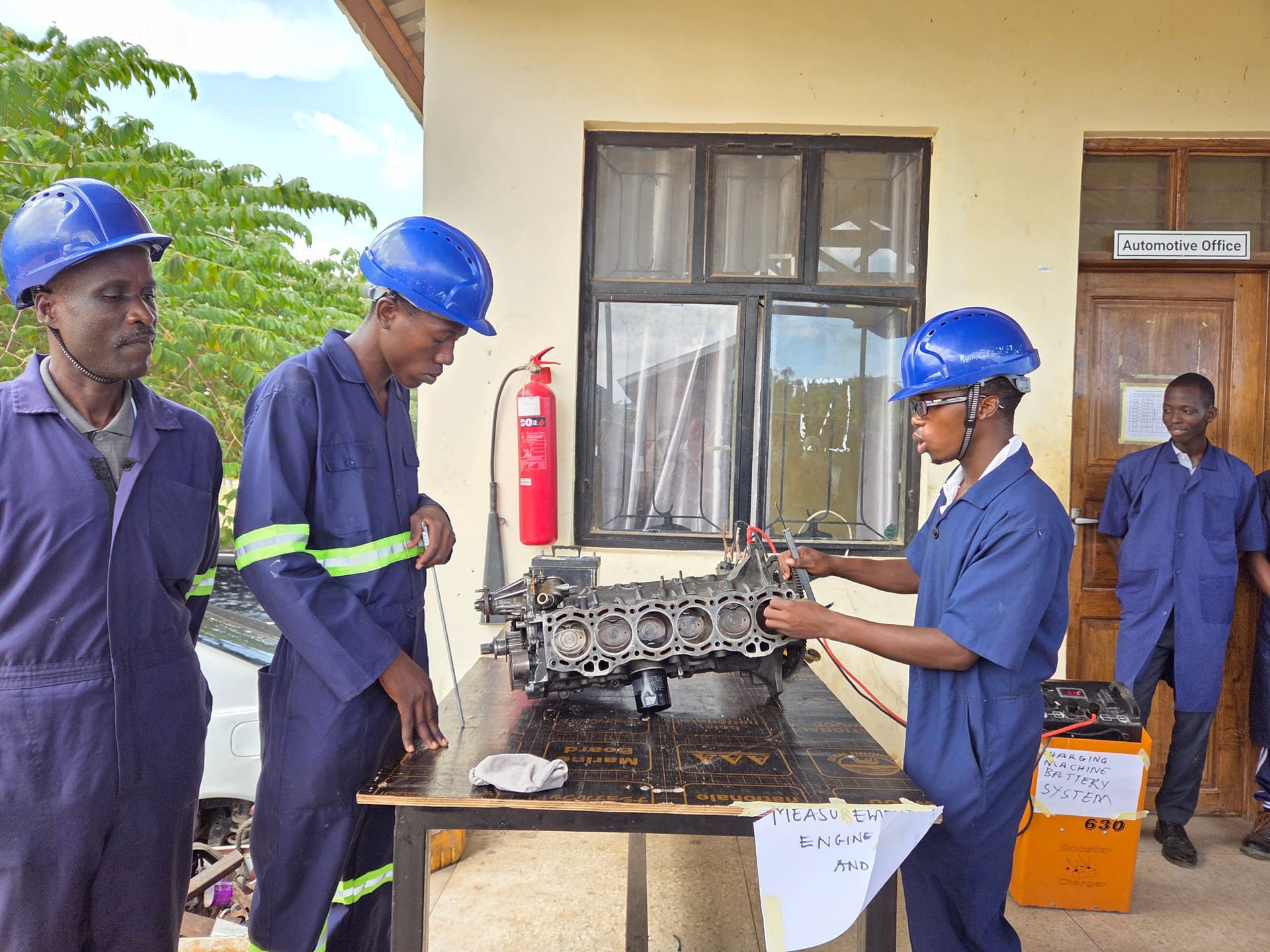
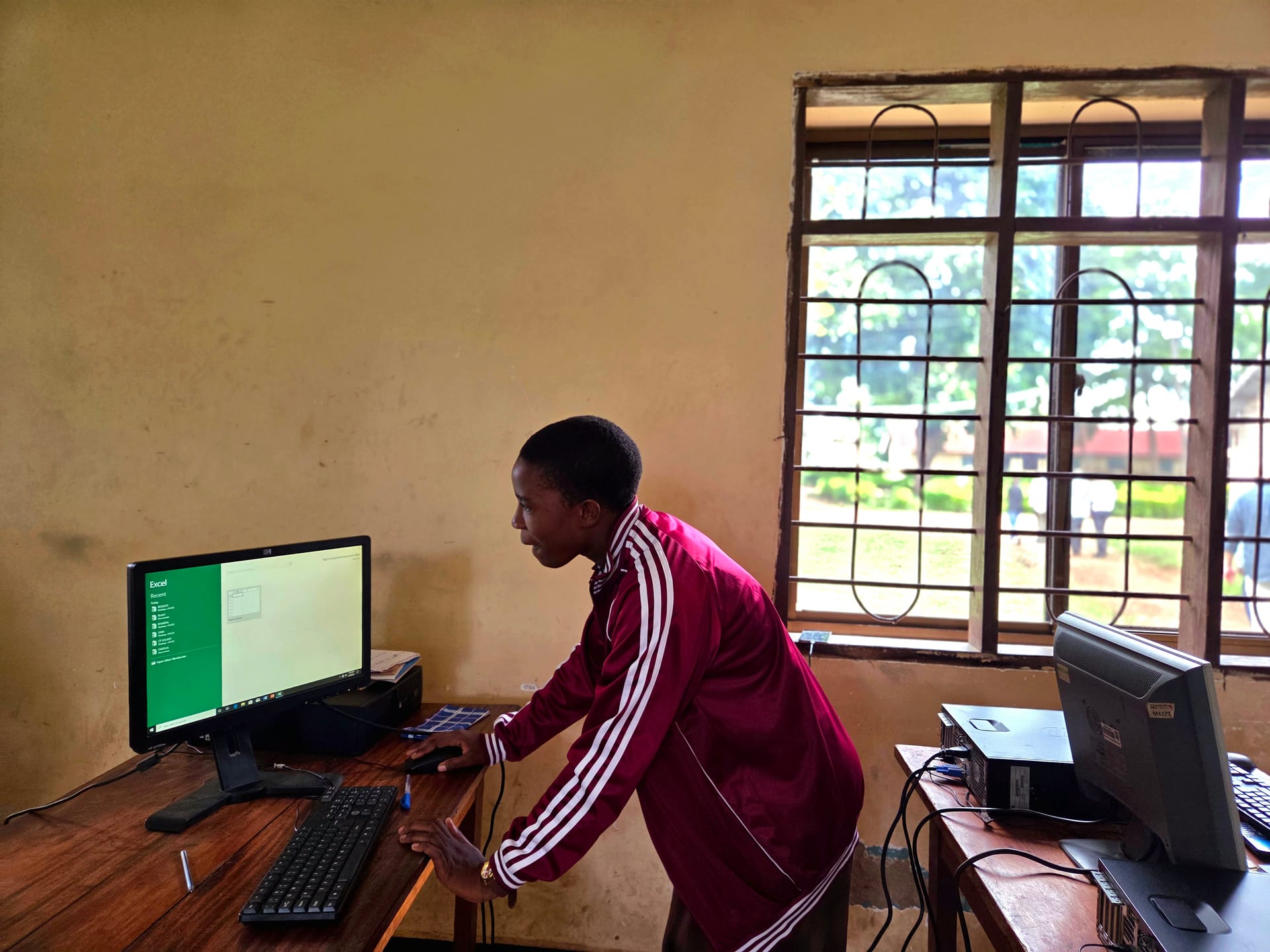
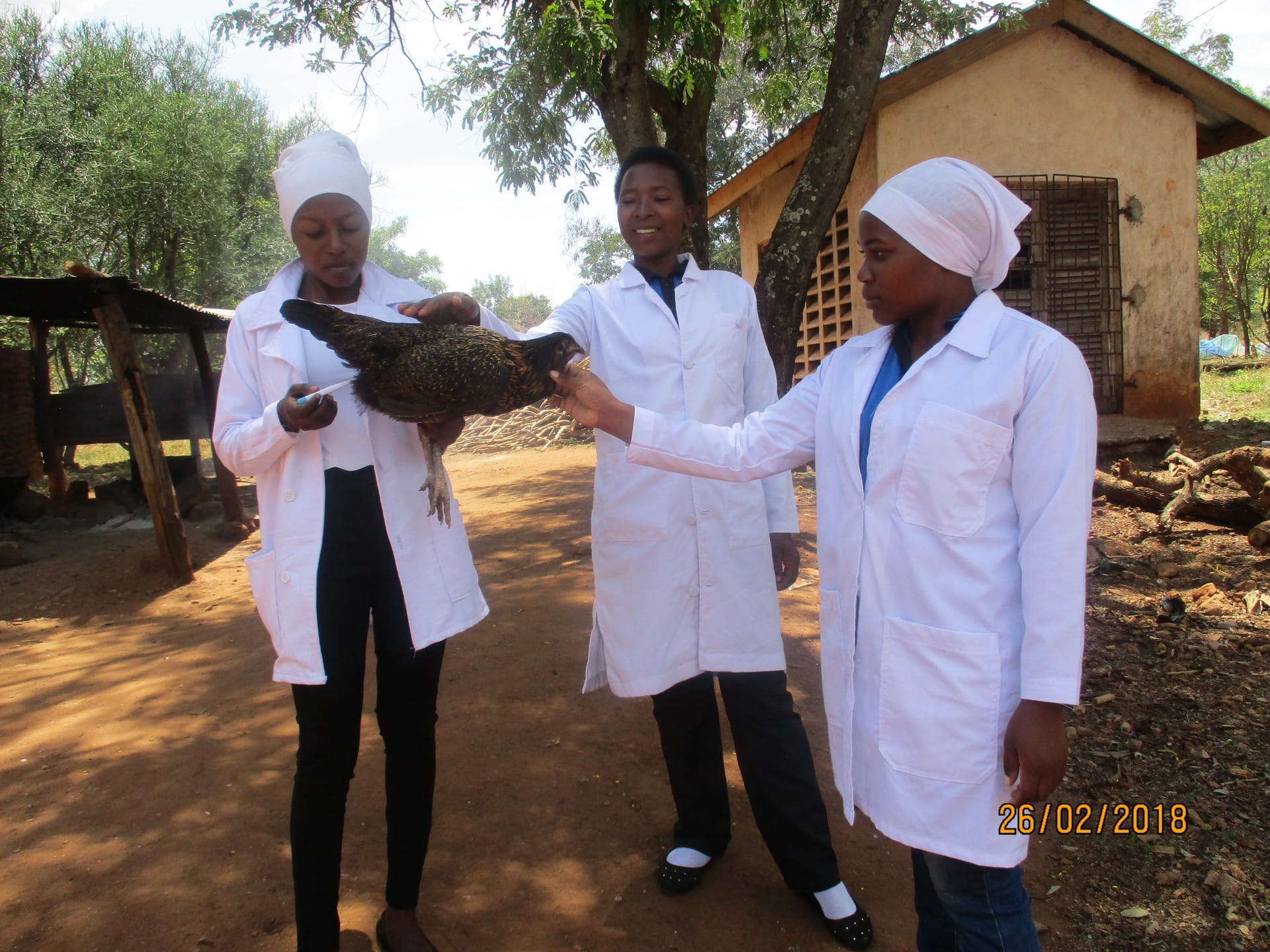
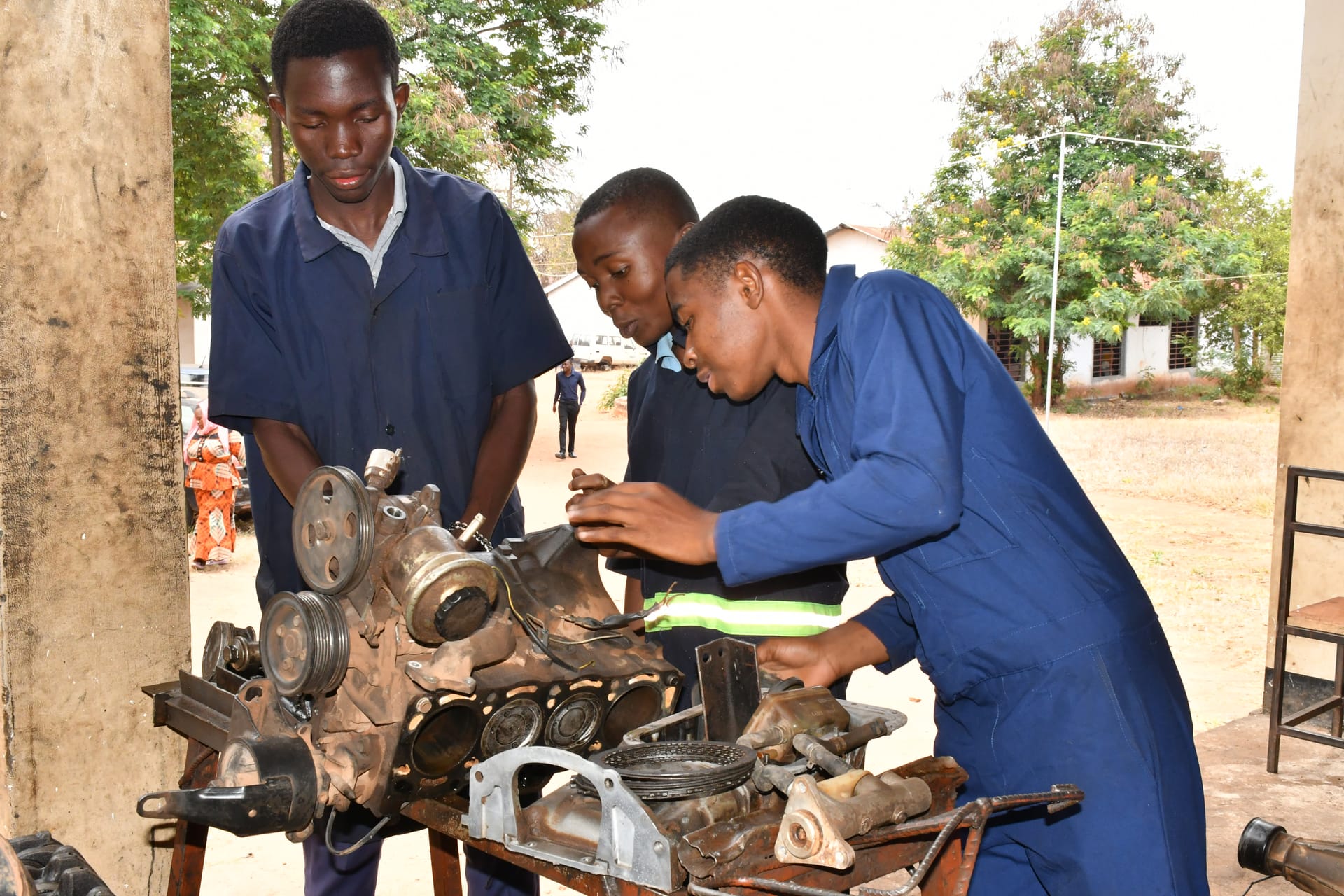
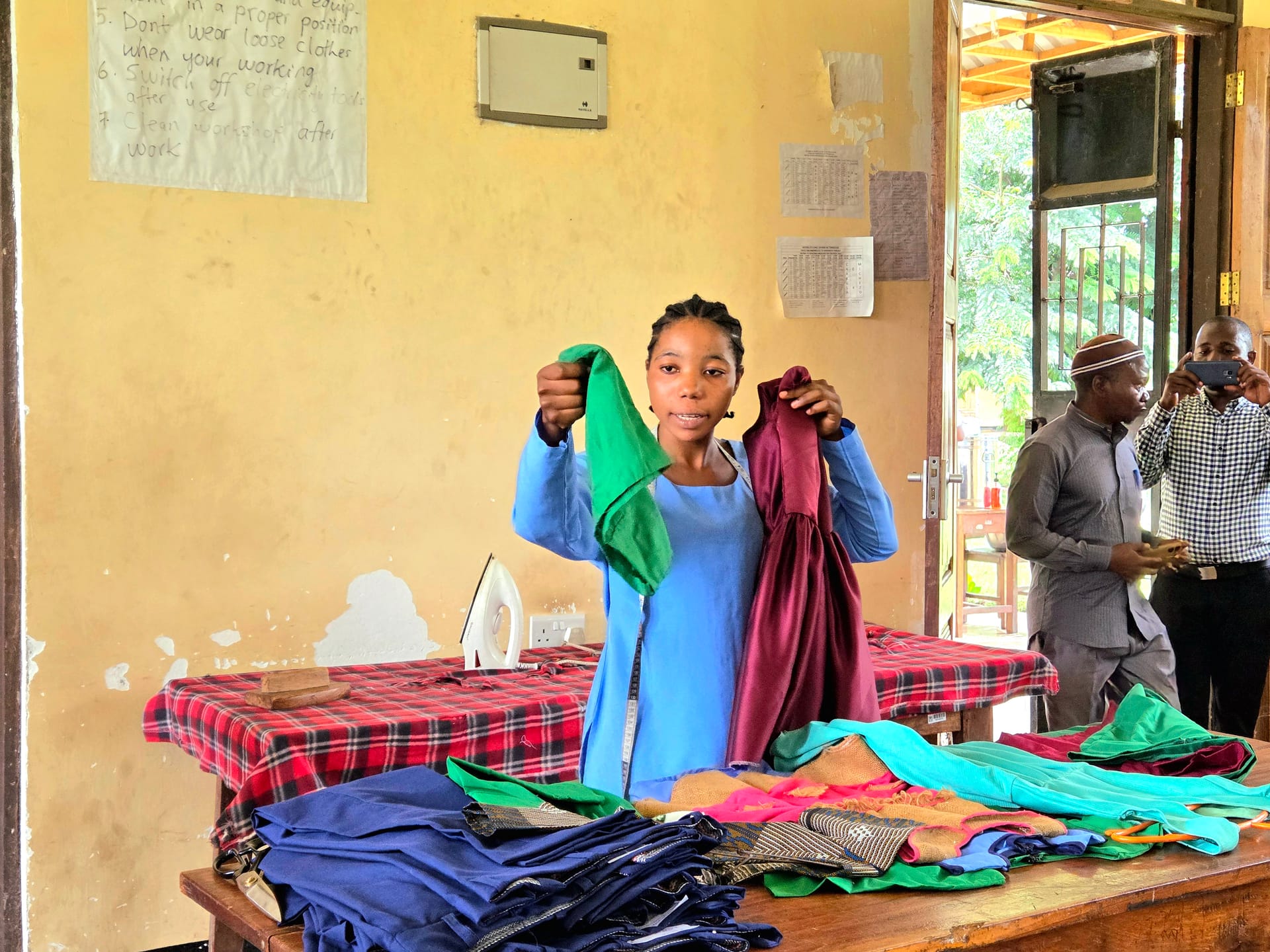
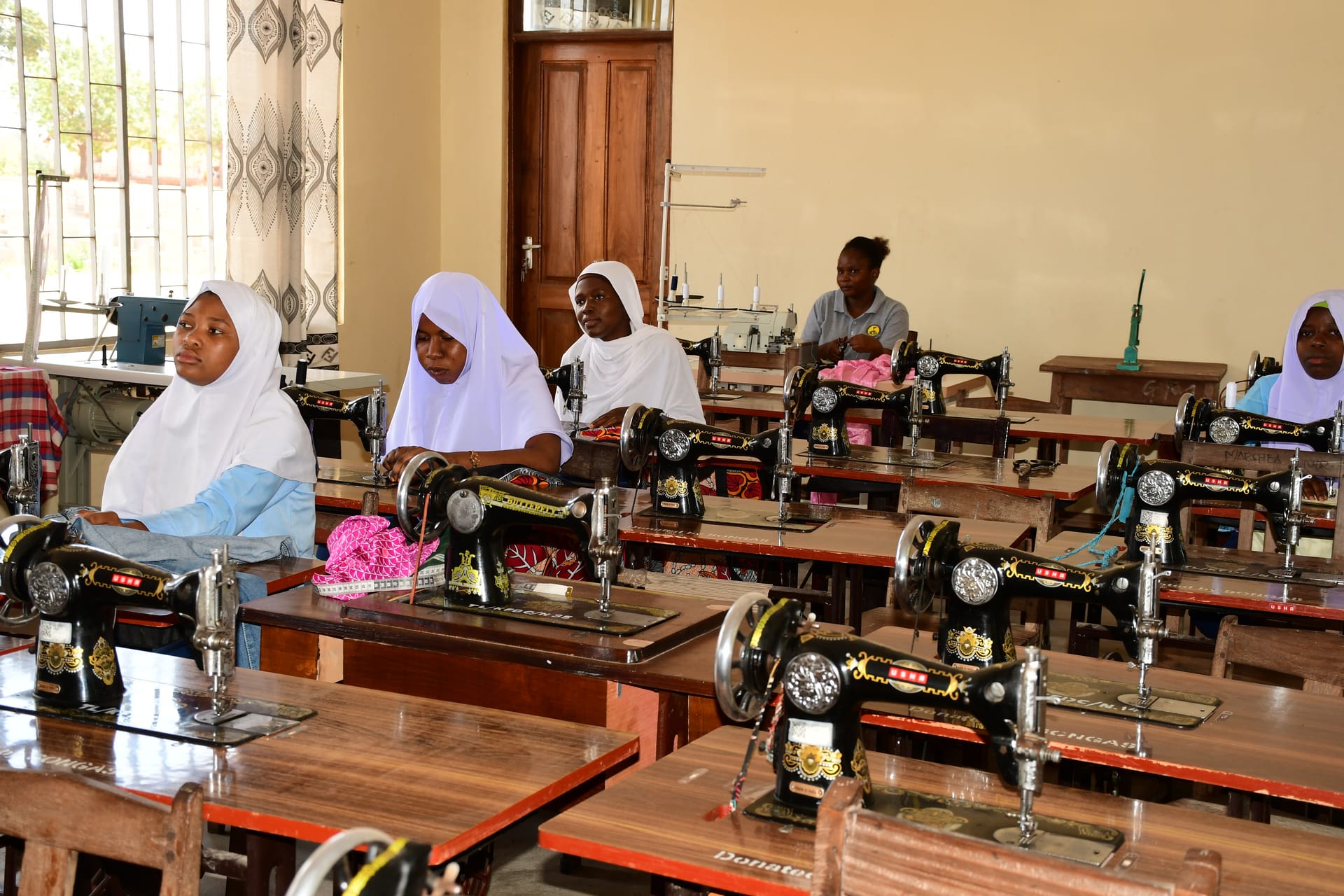
EHM participants choose from eight vocational tracks alongside their secondary studies, each aligned with Tanzania's national vocational curriculum.

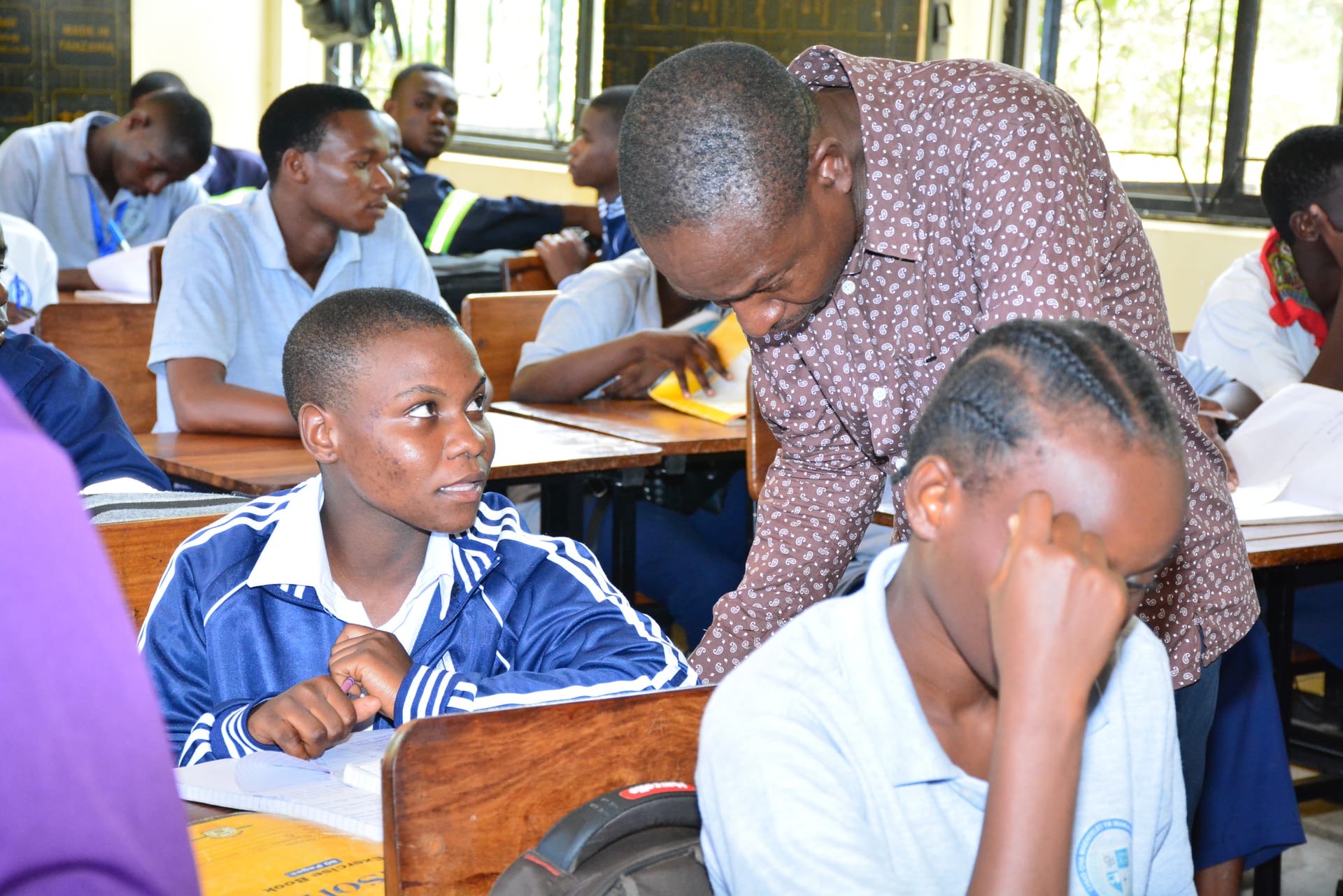
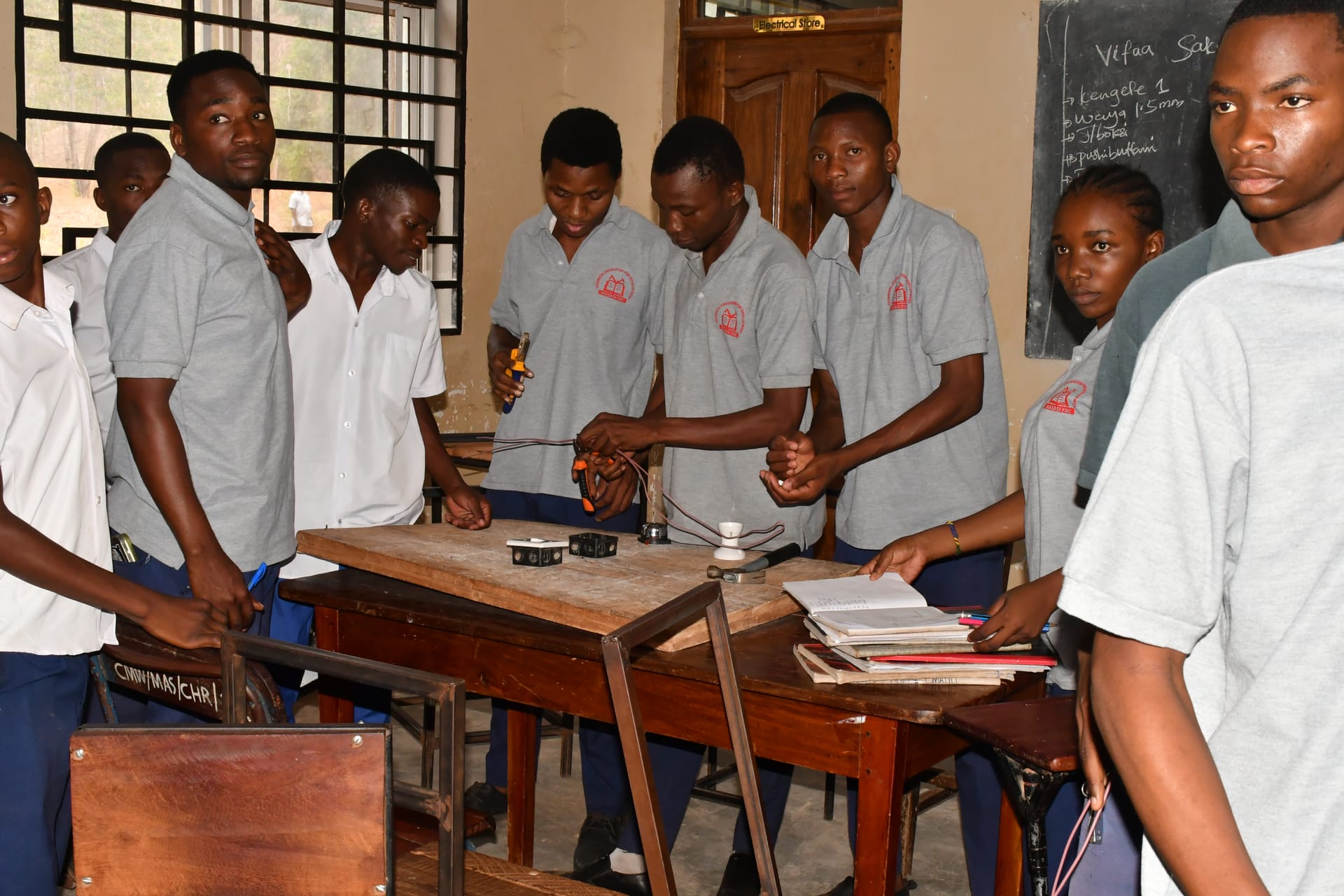
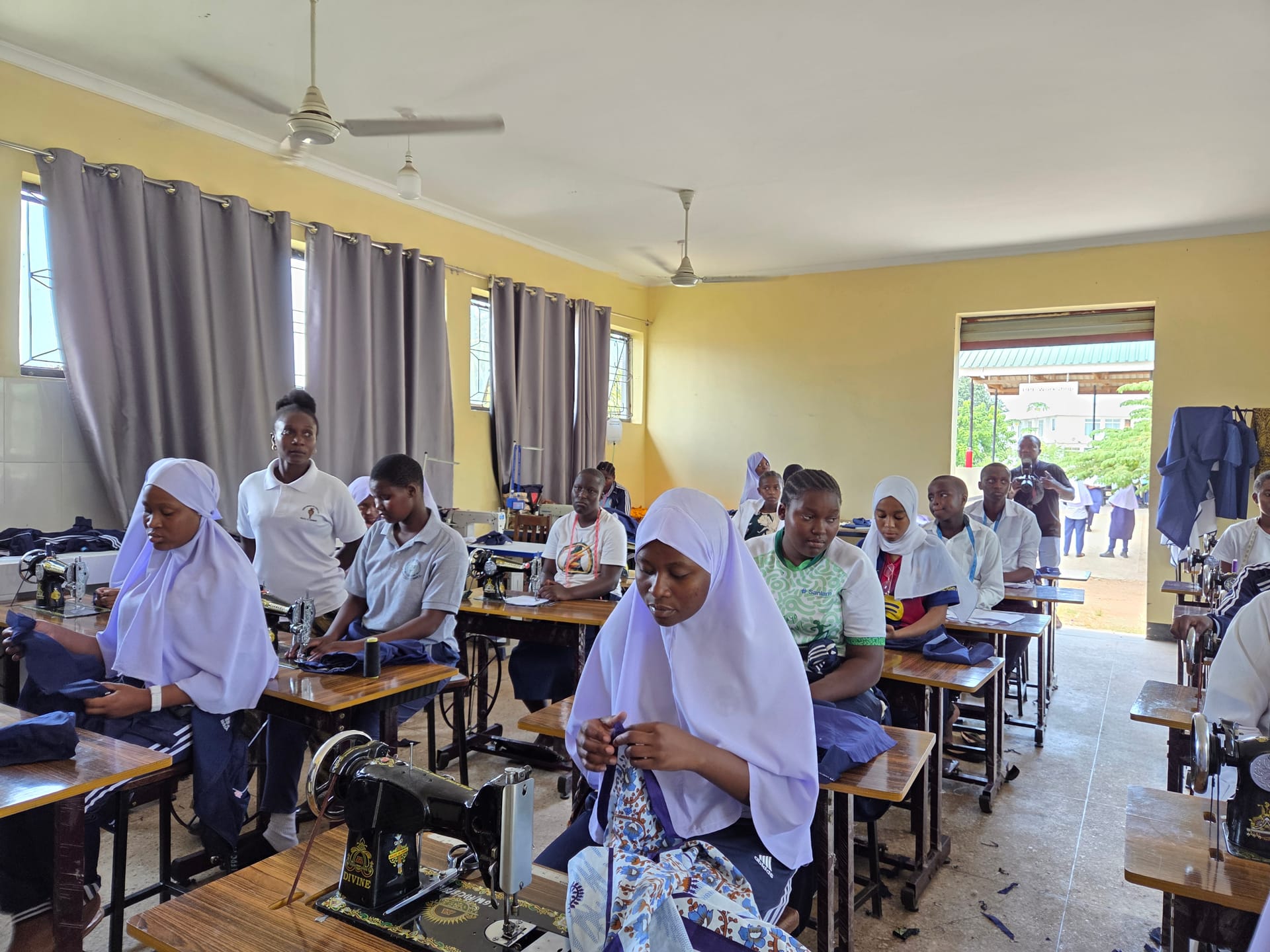
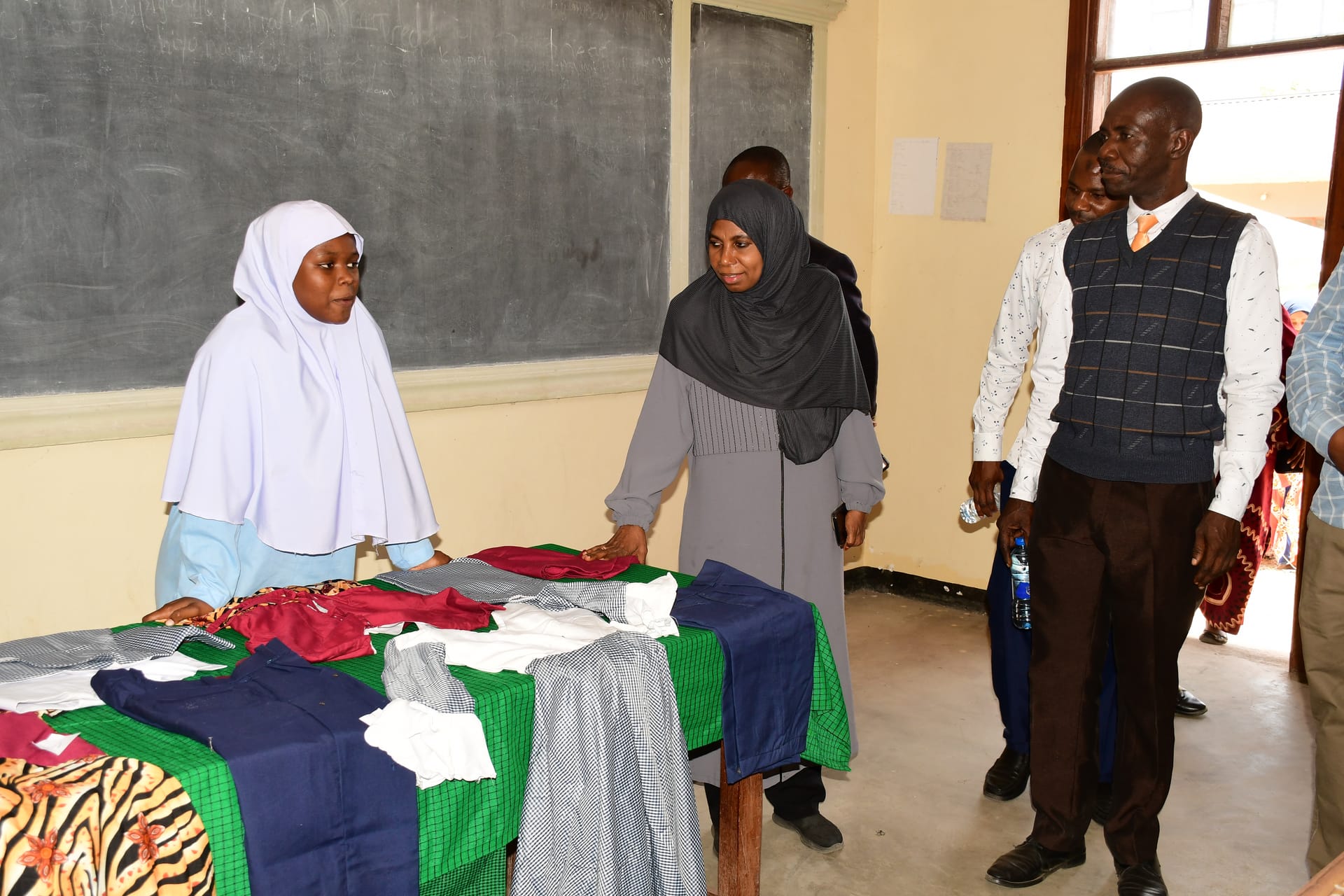
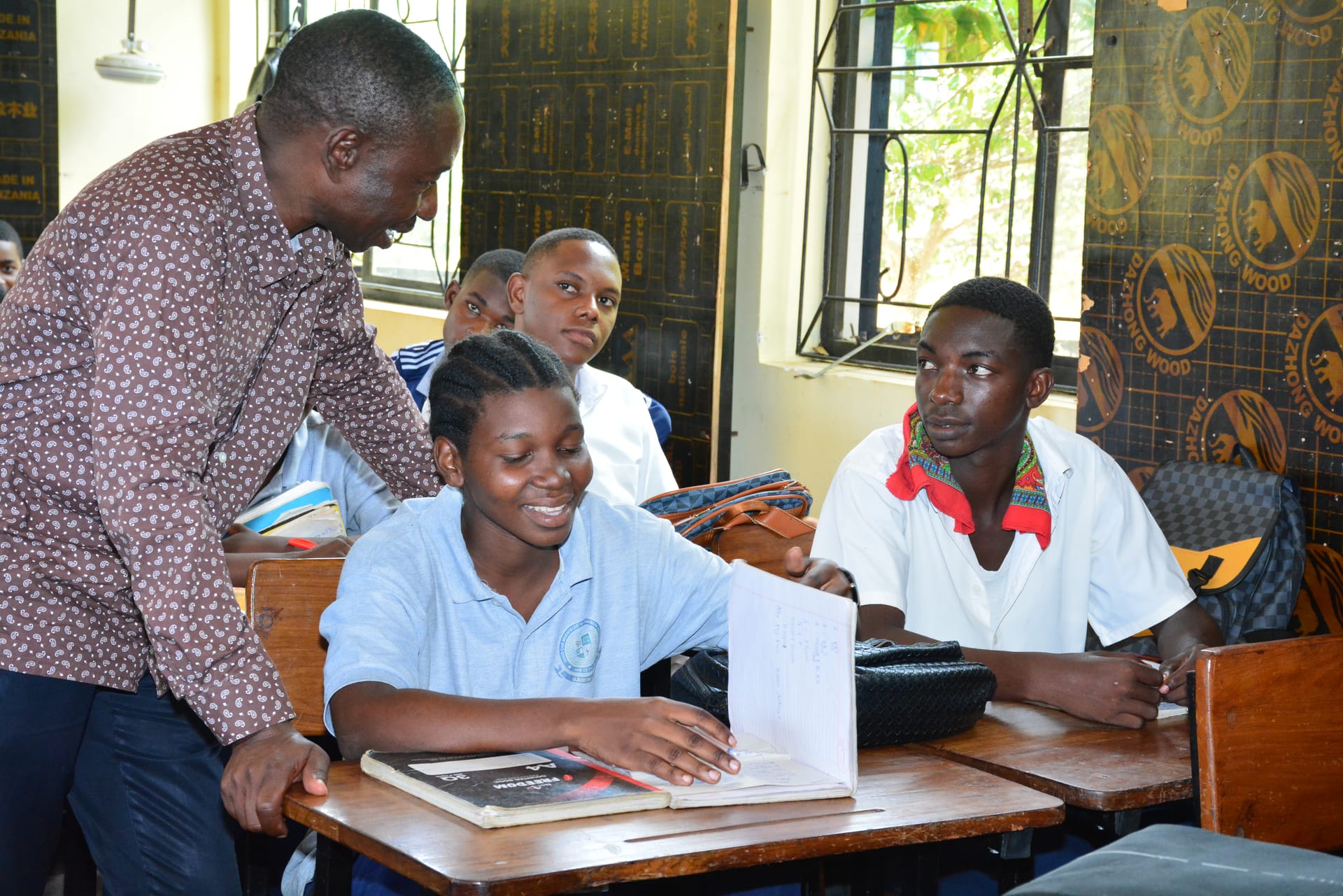
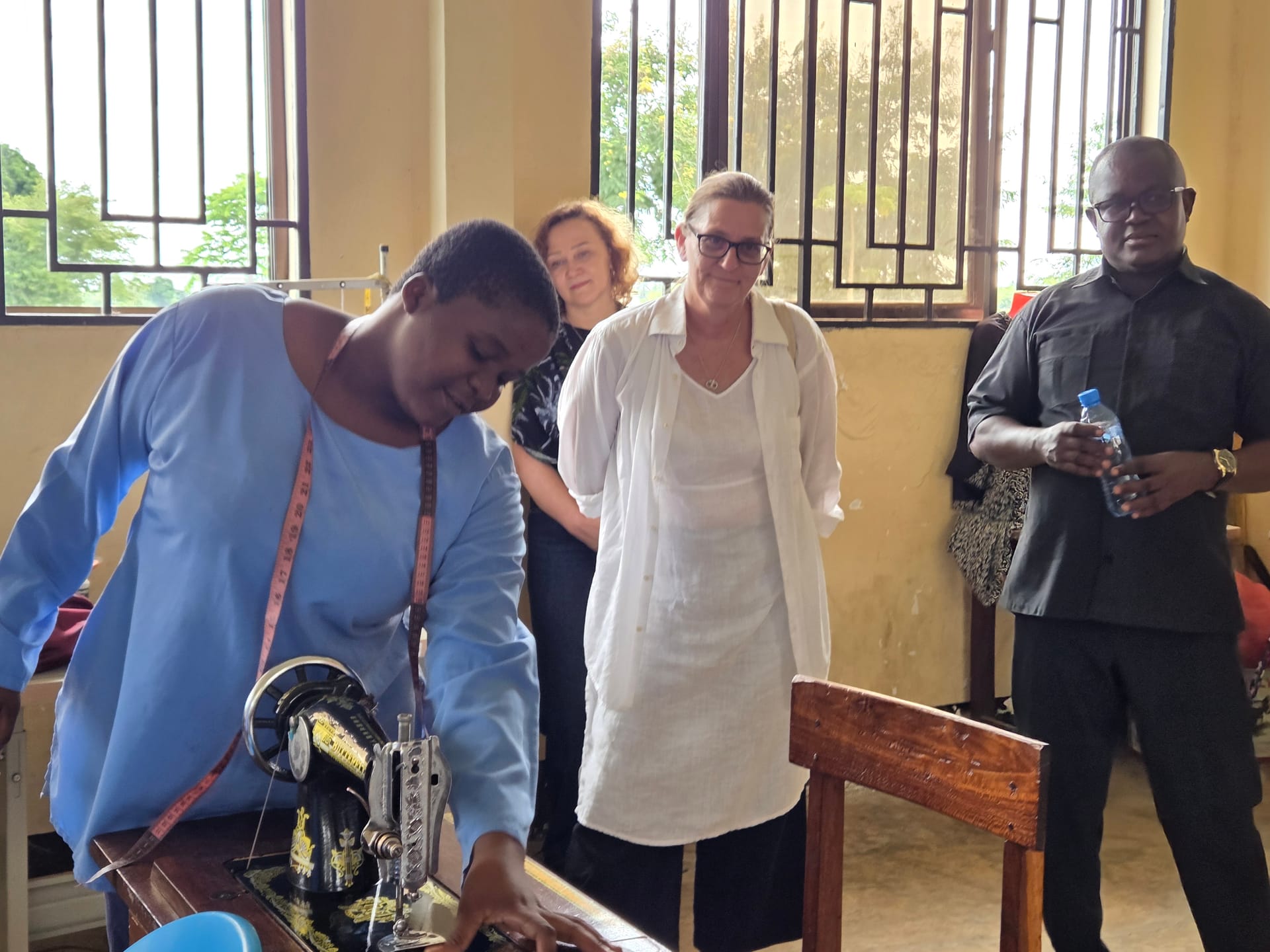
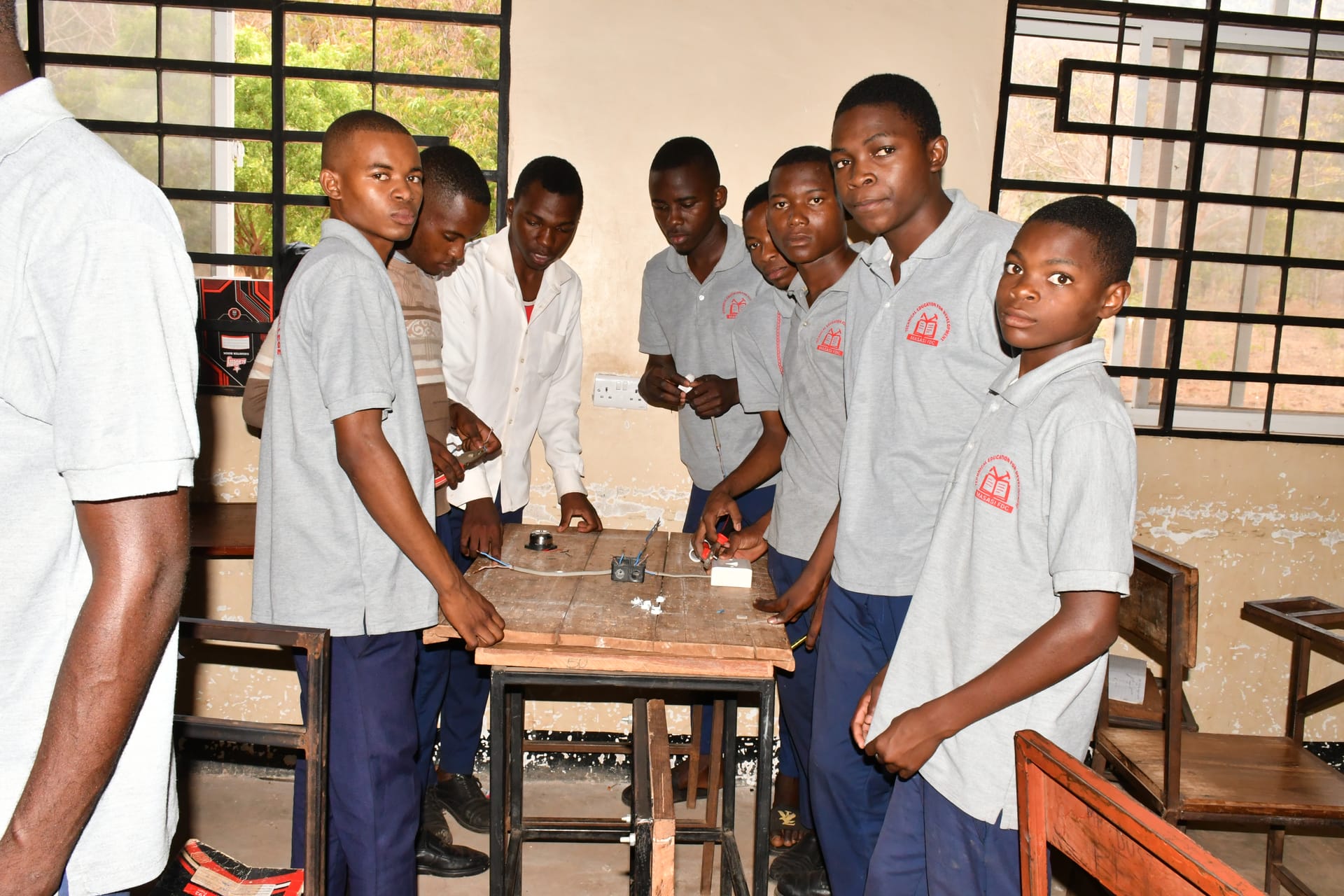
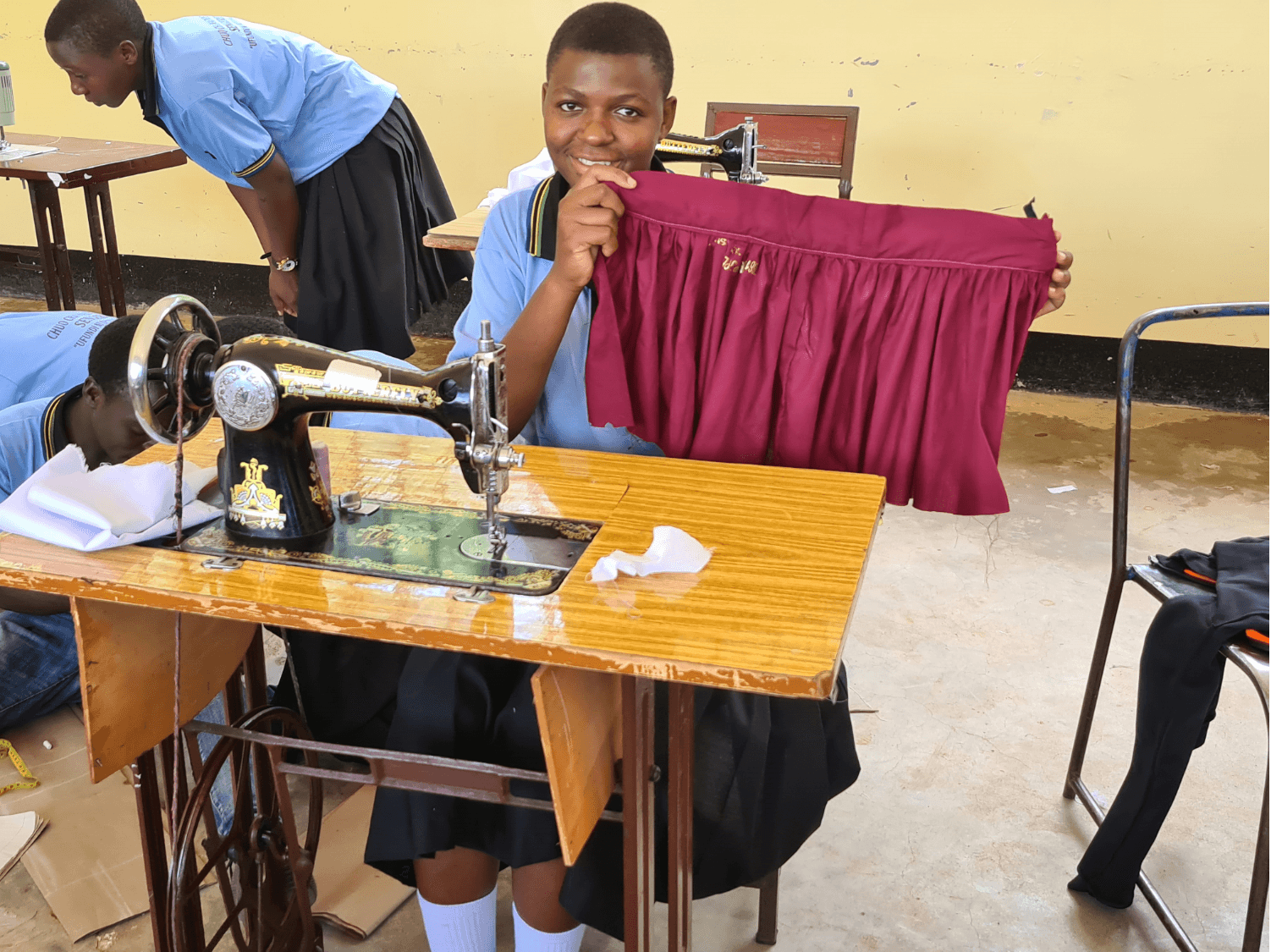
Life at the FDC
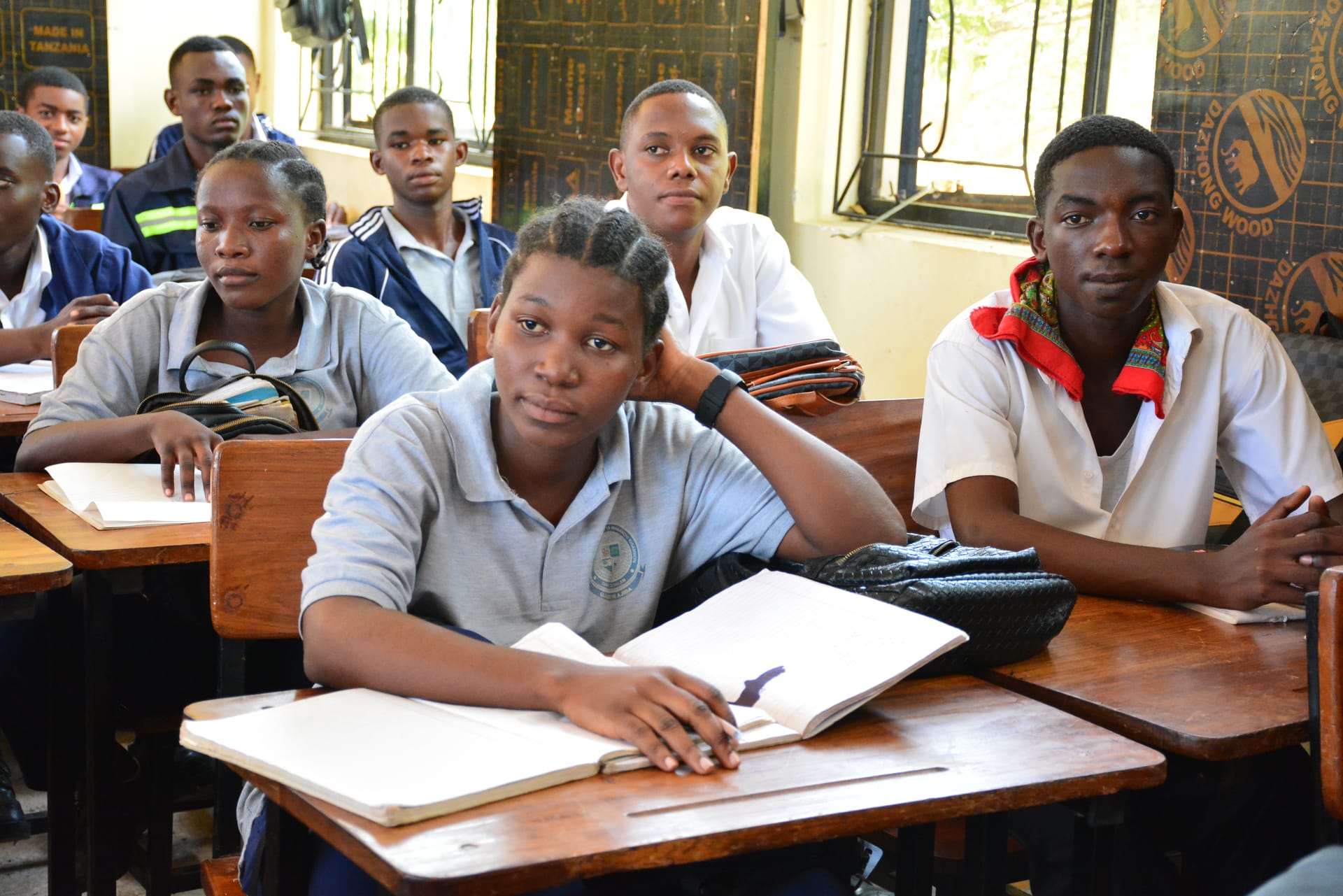
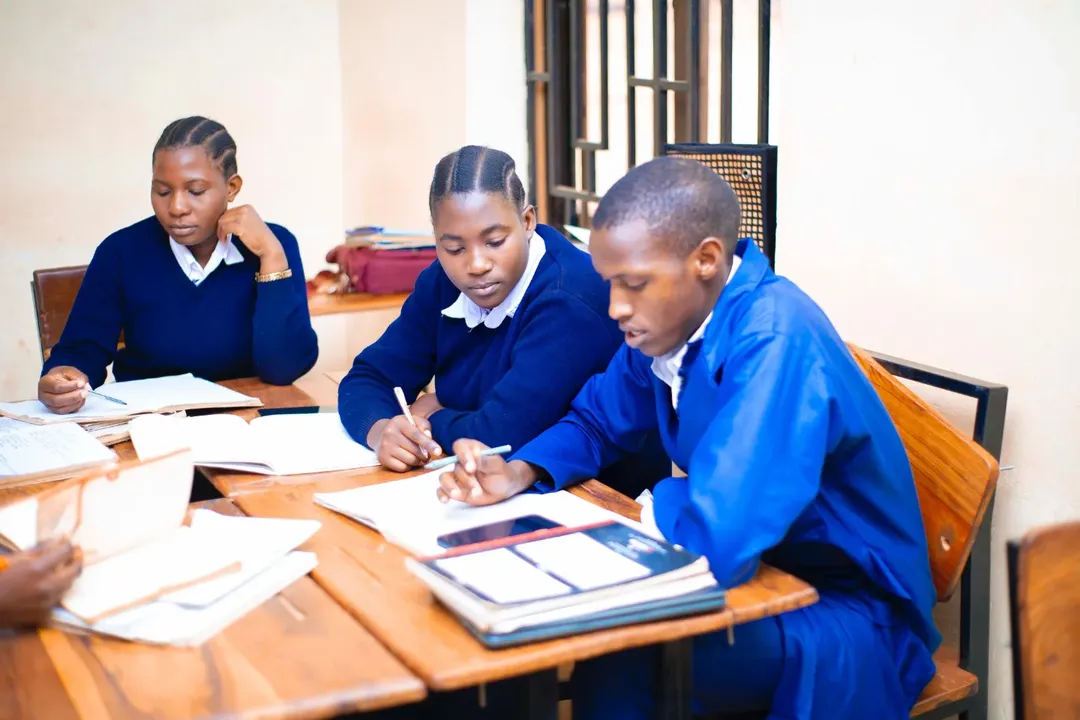
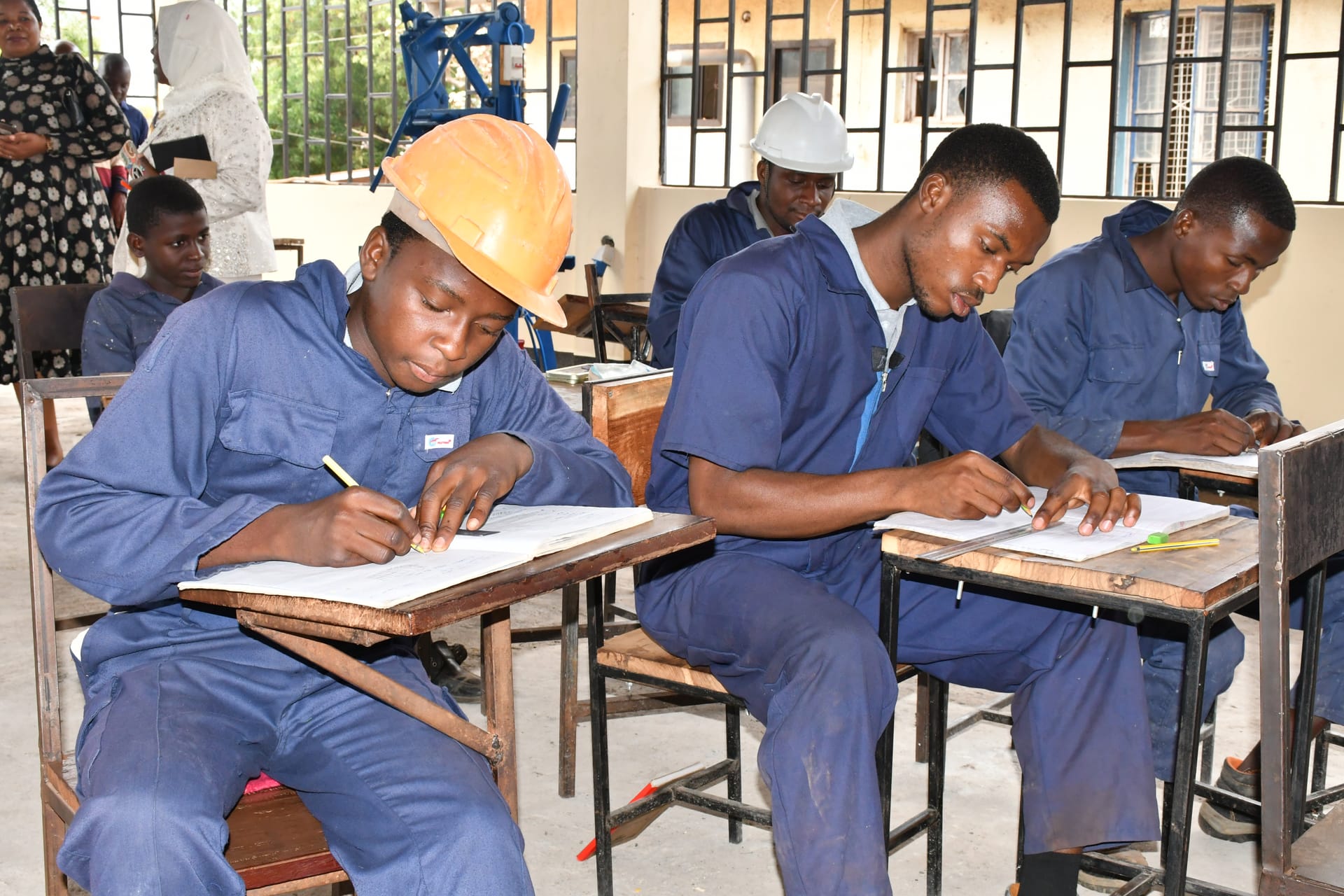
Inside the Folk Development Colleges where young women are building new futures through education and vocational training.
Impact at Scale
From a pilot in 3 FDCs to a nationally recognized program across 54 colleges in just six years.
Graduate Outcomes
Tracer study of EHM graduates shows strong transition to economic independence

Behind Every Number, A Homecoming
Advina Mwamedi was one of the thousands. When she became pregnant, the gossip started and her family's trust broke. Through Elimu Haina Mwisho she returned to the classroom. Her father, her relatives, and her whole village watched their own attitudes change.
This is the program's deeper work: reintegration, healed family bonds, and communities that now see their young women differently.
Read more storiesA Government-Integrated Model
KTO works within existing government infrastructure, not parallel to it. The EHM program demonstrates a powerful co-investment model where government and civil society collaborate to deliver education at national scale.
Teachers' salaries
100% government-funded
Meal subsidy
810,000 TZS per student per year
Fee waiver
250,000 TZS per EHM participant (Ministry directive, 2021)
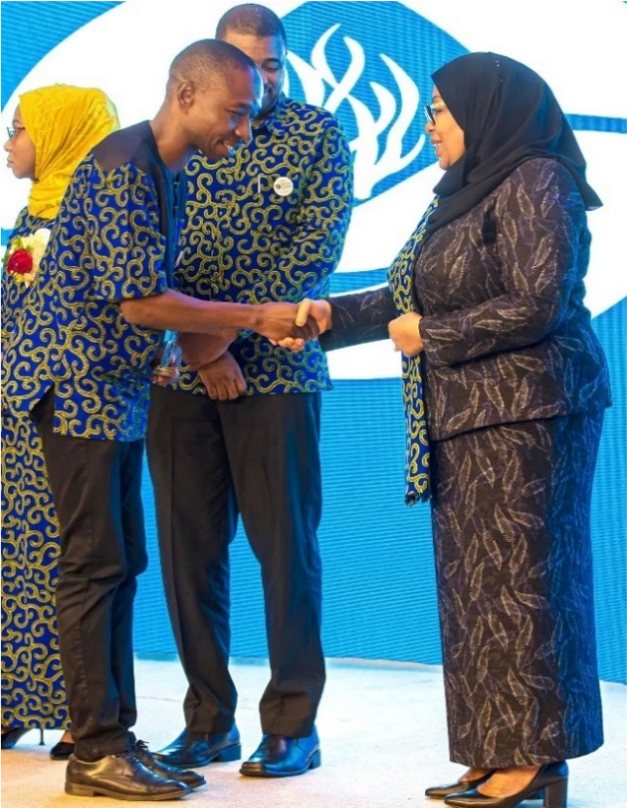
When a young mother walks through the gates of an FDC, she is not returning to school. She is claiming a future that was never meant to be taken from her.
Maggid Mjengwa, Executive Director

Support Second-Chance Education
Elimu Haina Mwisho has proven that young mothers can return to education and thrive when the right systems are in place. Partner with us to scale this model.