
Three Programs. One Ecosystem. Breaking the Cycle.
Elimu Haina Mwisho, Mpira Fursa, and Early Childhood Development work together across 55 Folk Development Colleges to keep children in school, give young mothers a second chance, and build professional childcare capacity.

An Interconnected Ecosystem
Our three programs are not separate initiatives. They form one cycle-breaking system where each program enables the others.
ECD Training
Trains childcare professionals at FDCs. Graduates open and run daycare centers on campus and in communities.
Mpira Fursa
Uses football to keep children, especially girls, in school through attendance monitoring, mental health support, and community dialogue.
Elimu Haina Mwisho
Gives young mothers who did drop out a second chance at secondary education and vocational training. On-site daycare (from ECD) makes attendance possible.
Daycare centers trained by ECD enable young mothers to attend EHM classes. Mpira Fursa prevents the dropout that creates the need for EHM. Together, they break the cycle at every stage.

Explore Each Program
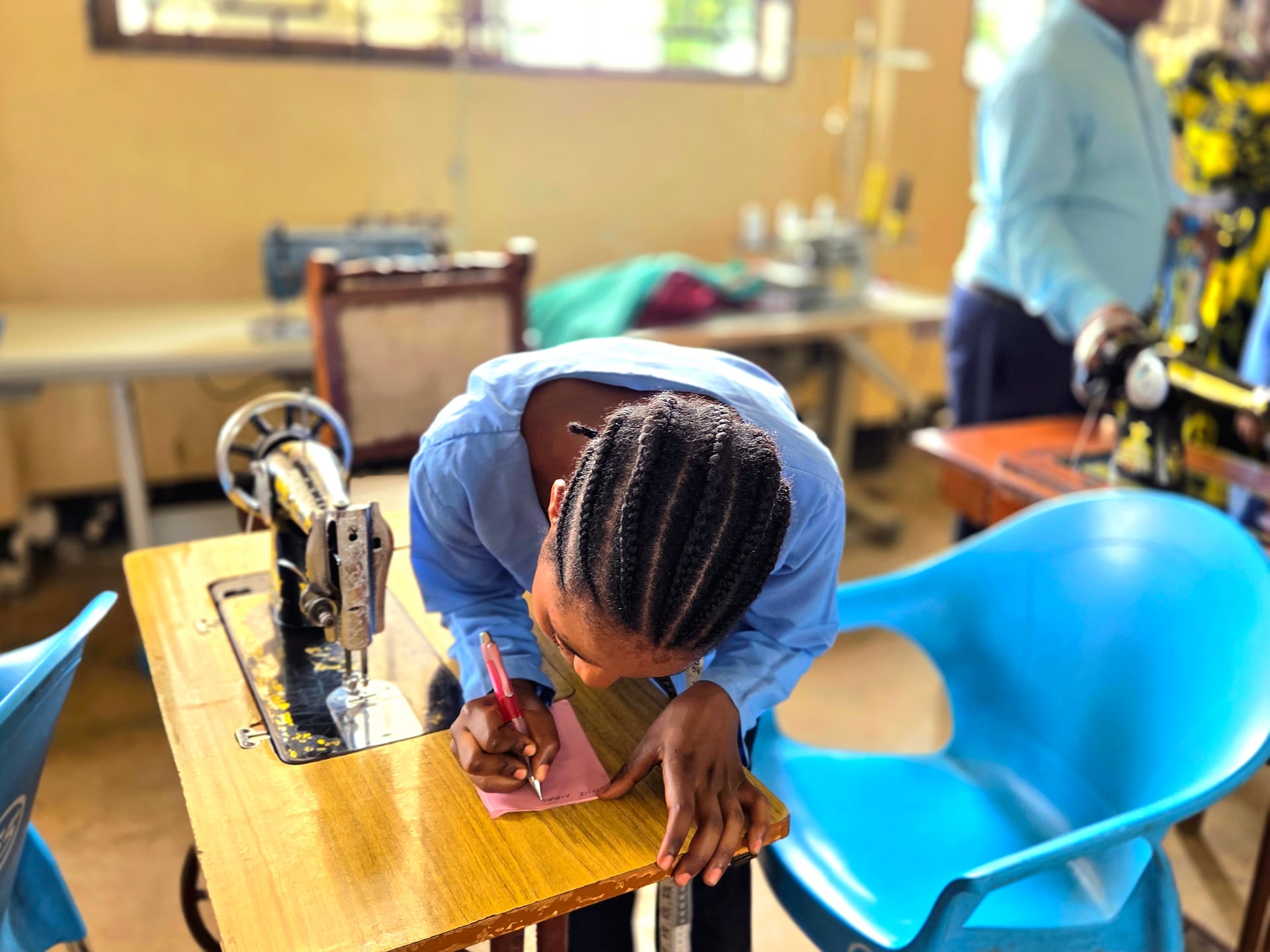
Elimu Haina Mwisho
A nationally recognized pathway for young women to re-enter secondary education, gain vocational skills, and build economic independence.
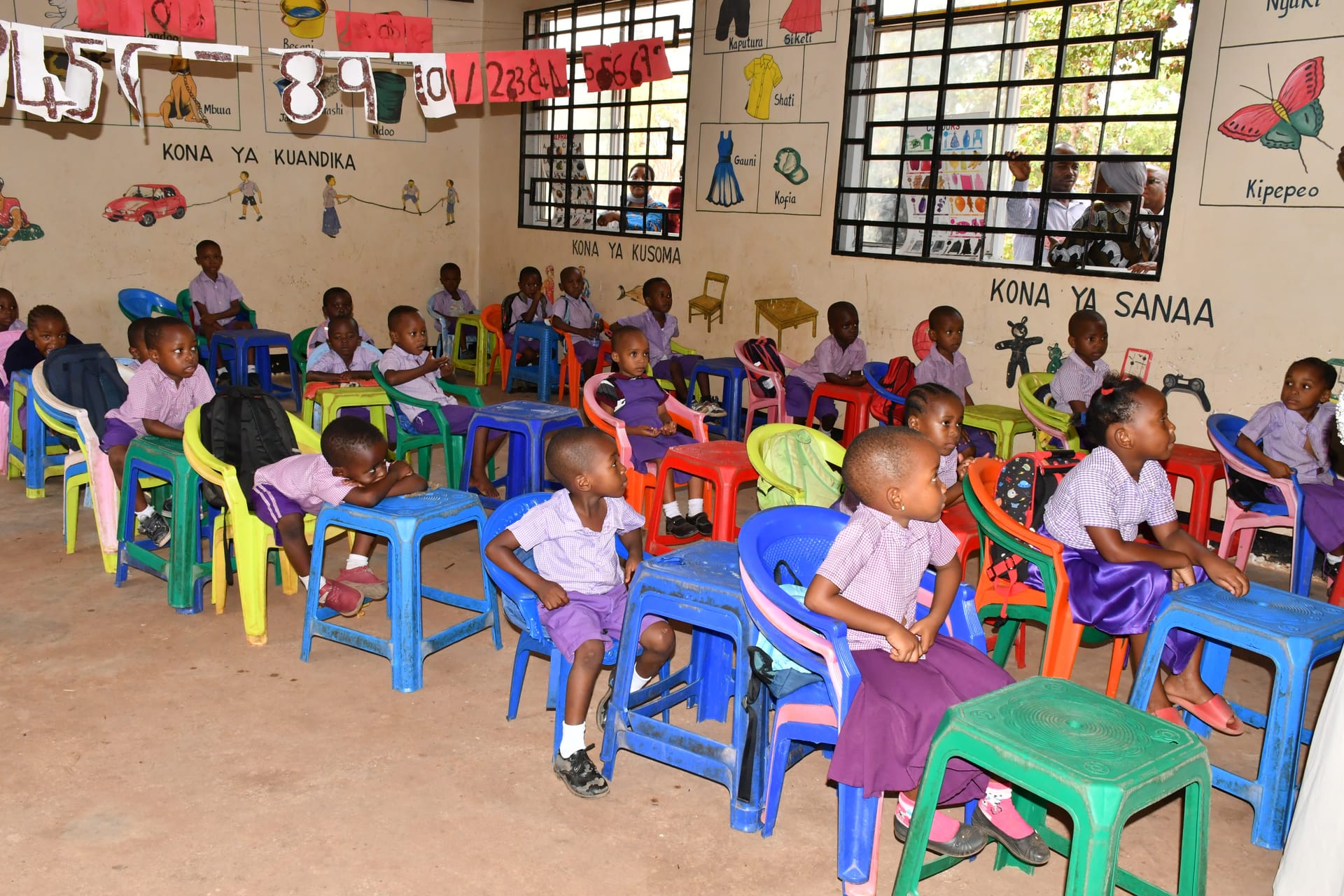
Early Childhood Development
Training Tanzania's next generation of childcare professionals through Folk Development Colleges.
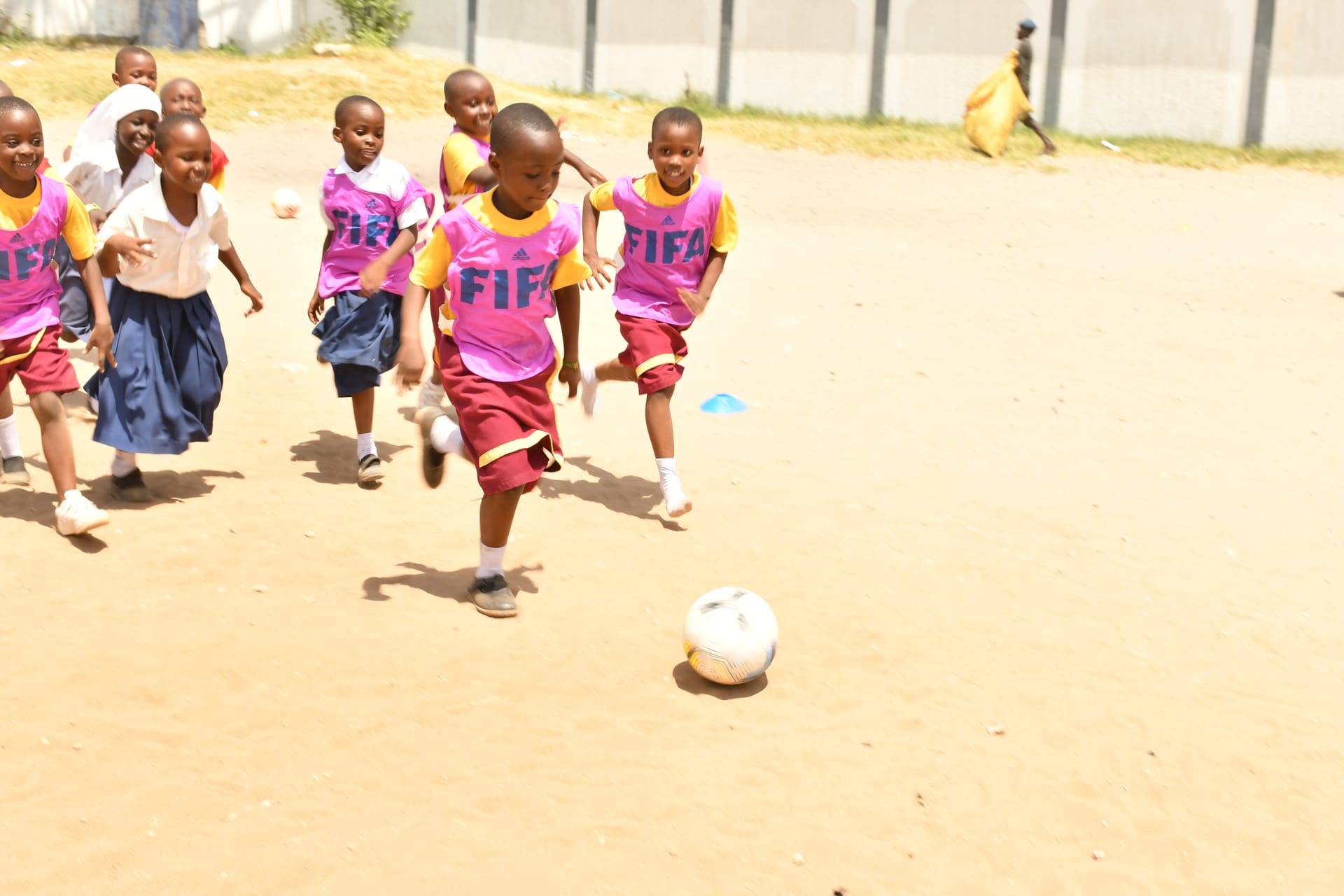
Mpira Fursa
Using football to promote mental health, gender equality, and education across Tanzania.

What Makes Our Model Different
KTO does not build parallel systems. We strengthen what already exists, embedding programs within government infrastructure to achieve national scale with sustainable impact.
Government Infrastructure
Programs operate within Tanzania's 55 Folk Development Colleges, government-built and government-staffed. KTO adds programs, not buildings.
National Curriculum
All training aligns with NVA/NTA accredited curricula recognized by NACTVET. Graduates earn nationally recognized qualifications.
Holistic Skills
Every program combines technical training with life skills, entrepreneurship, ICT, and financial literacy, building whole-person capability.
Community-Embedded
FDCs serve their communities as development hubs. Daycare centers, football teams, and vocational training all strengthen local ecosystems.
We are not building a parallel education system. We are strengthening the one Tanzania already has: 55 Folk Development Colleges, government-built, government-staffed, now serving 21,000 learners. Our role is to ensure no one is left behind.
Maggid Mjengwa, Executive Director

Ready to Learn More?
Explore how our programs create lasting change, or get in touch to discuss partnership opportunities.