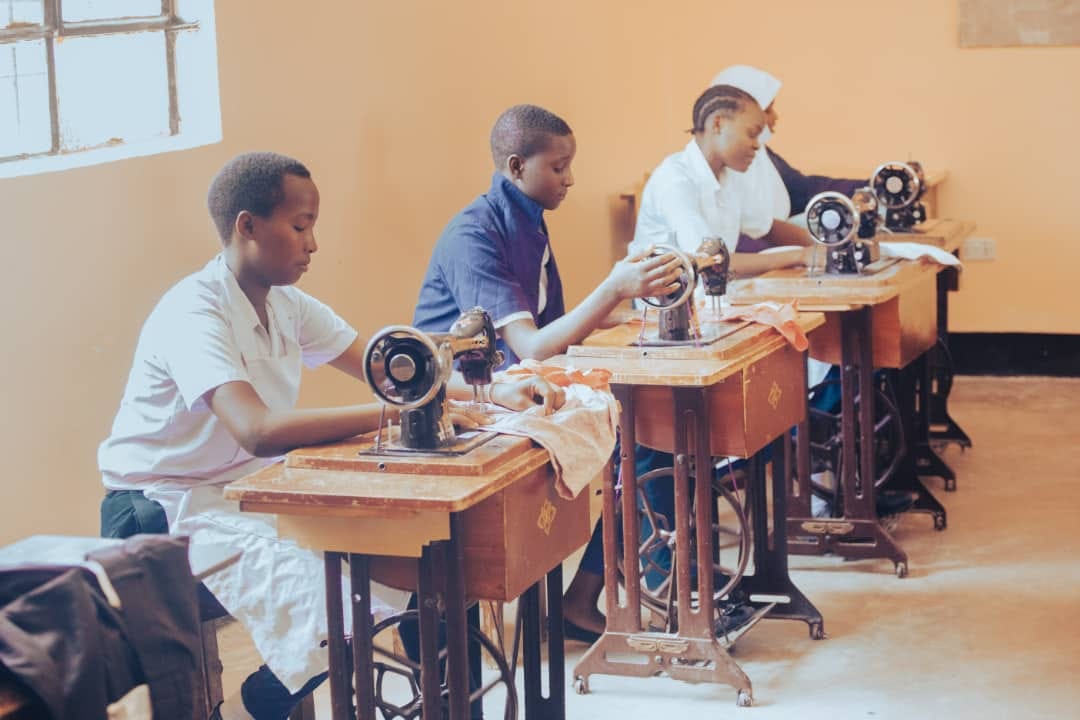
At Karumo Folk Development College in western Tanzania, the morning starts with three kinds of activity happening simultaneously. In one building, vocational trainees measure fabric for tailoring projects. Across the compound, adult learners practice reading and writing in a literacy class. In the open-air workshop area, a group of young people learn automotive repair, engines spread across workbenches in various states of disassembly. This is a single institution doing the work of three.
That combination, vocational training center, adult education institution, and community learning hub rolled into one campus, is not common. In fact, only five countries in the world operate this model: Sweden, Finland, Denmark, Norway, and Tanzania.
A Scandinavian Idea, Planted in East Africa
The folk high school tradition began in 19th-century Scandinavia. The concept was radical for its time: education should not be reserved for the elite. Communities needed institutions where working people could learn practical skills, engage in civic life, and develop as citizens without the barriers of formal academic prerequisites.
Tanzania adopted the model in the 1970s, establishing Folk Development Colleges as part of the country's commitment to community-based education. The fit was natural. Tanzania's philosophy of ujamaa, collective self-reliance, aligned closely with the Scandinavian emphasis on democratic learning and community participation. FDCs were designed to serve people that the formal education system could not reach: adults who never completed school, young people who left early, communities too remote for urban training institutions.
By 1990, the network had grown large enough to need coordination. That year, Karibu Tanzania Organization was founded as the independent, non-governmental umbrella body for all FDCs across mainland Tanzania. Politically and religiously independent from its founding, KTO's mandate was to support, strengthen, and develop the FDC network from outside government bureaucracy.
55 Campuses, 21,104 Learners
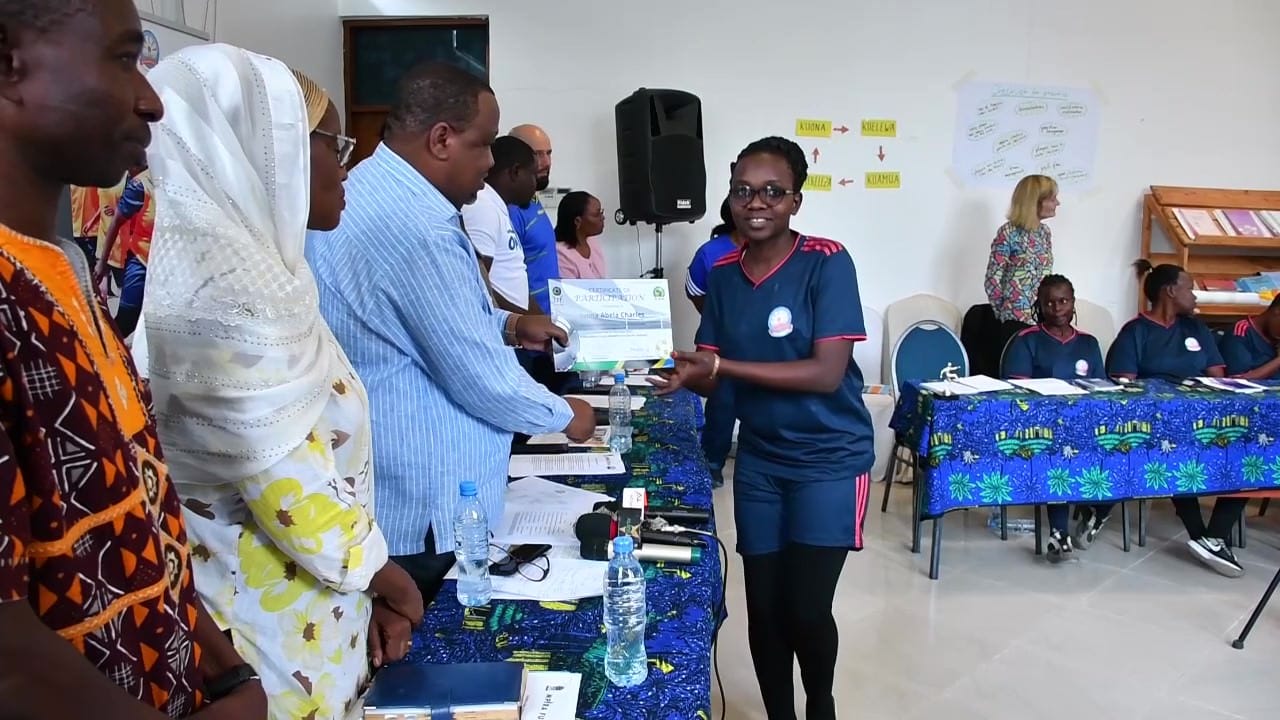
The scale today is significant. Fifty-five Folk Development Colleges operate across every region of mainland Tanzania. In the 2024/25 academic year, they served 21,104 learners. Vocational training enrollment has grown sharply, from 9,106 to 19,113 learners, reflecting increasing demand for practical skills education.
The government-KTO partnership model is distinctive. The Tanzanian government provides infrastructure, pays teacher salaries, covers student meals, and handles fee structures. KTO provides program design, curriculum development, instructor training, monitoring, and evaluation. It is a co-investment model, not a dependency.
"FDCs serve three simultaneous roles: vocational training centers, adult education institutions, and community development hubs. No other institution type in Tanzania covers all three."
Each FDC adapts to its region's economic reality. A college near an agricultural zone emphasizes agribusiness and food processing. One near urban centers might focus on ICT and electrical installation. The model is standardized in quality but localized in content.
What Students Actually Learn
The breadth of skills taught across the FDC network reflects the diversity of Tanzania's labor market. Walk through any FDC campus and you will find practical training happening in parallel across multiple disciplines.
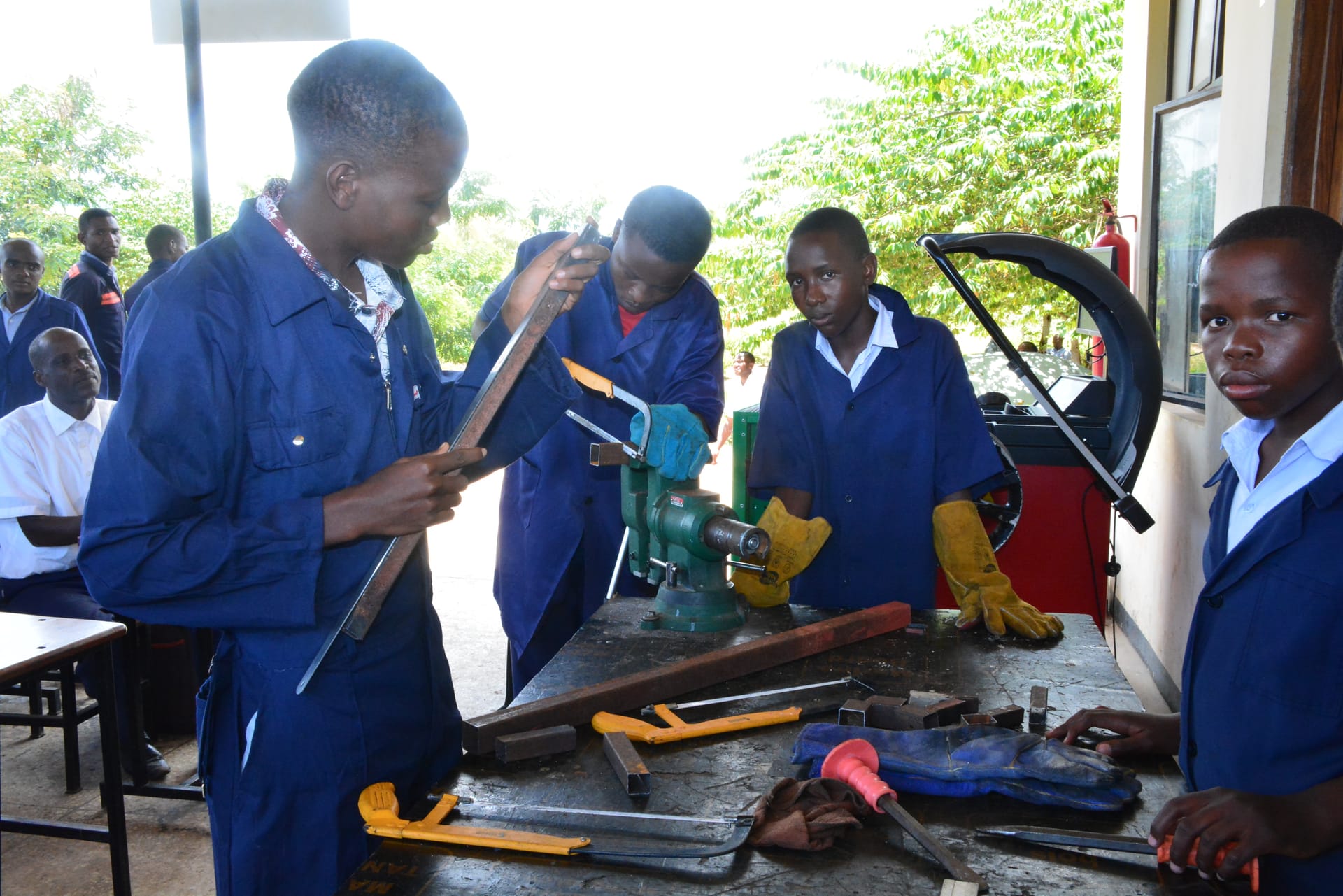
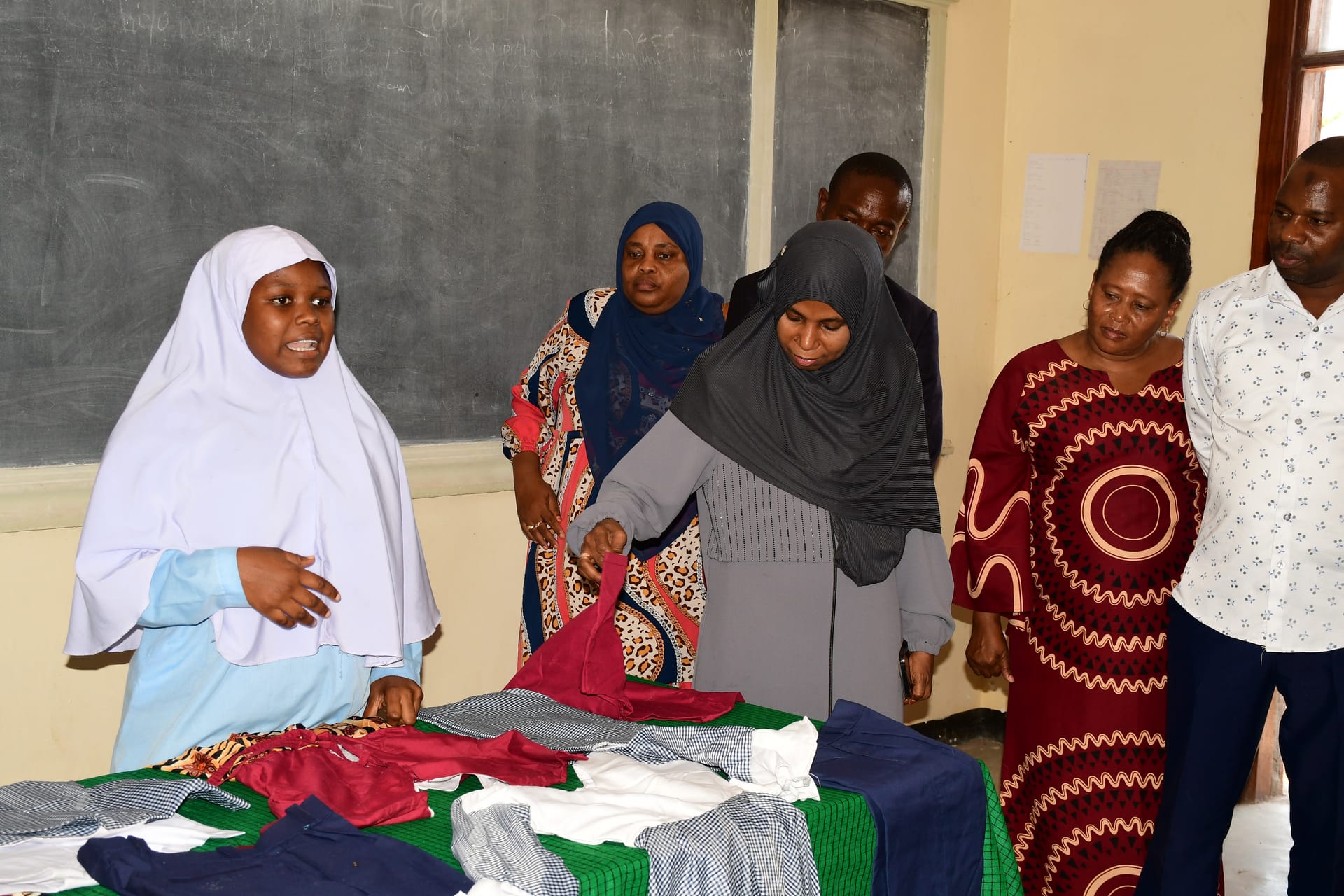
Tailoring and garment production. Agriculture and poultry management. Automotive mechanics. Computer and ICT skills. Electrical wiring and installation. Metalwork and welding. Plumbing. Food processing and entrepreneurship. The list varies by campus, but the standard is consistent: students graduate with nationally recognized NACTVET certification and practical competence tested through real projects.
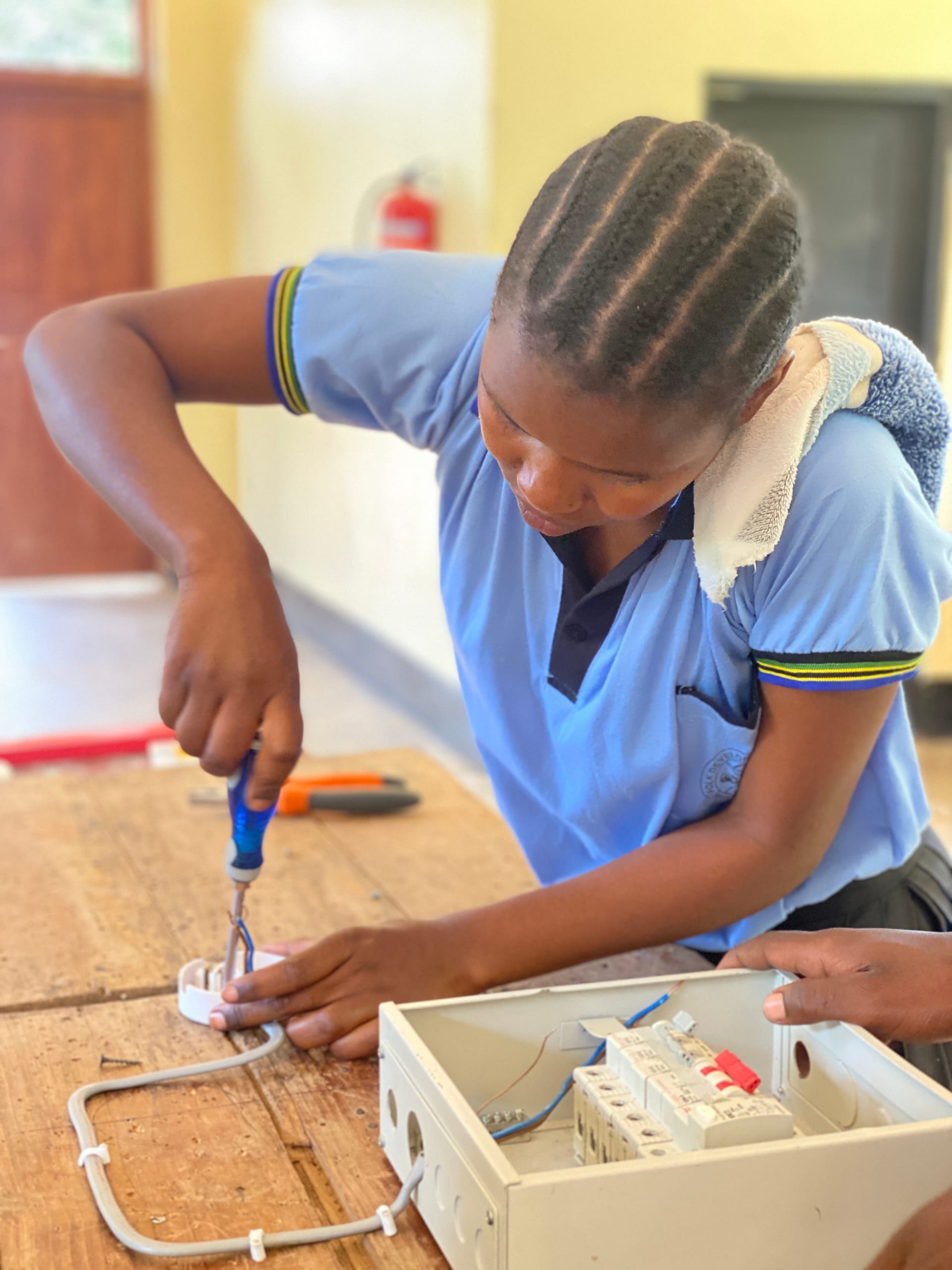
The results are measurable. According to KTO's 2024 Annual Report, 44% of FDC graduates move into self-employment, starting businesses in the trades they studied. That figure is significant in a country where formal employment opportunities are limited, particularly outside Dar es Salaam.
The Swedish Connection, Renewed
The link between Tanzania's FDCs and their Scandinavian origins is not just historical. It is active.
In October 2022, Grimslovs and Sorangens Folk High Schools in Sweden, along with five other Swedish institutions, launched a collaborative project with 14 Tanzanian FDCs. The program includes biannual exchanges where Swedish and Tanzanian educators visit each other's institutions, share teaching methods, and co-develop curriculum.
Ilula and Katumba FDCs have served as coordination points for the Tanzanian side, hosting learning visits and facilitating cross-cultural dialogue between the two education systems. The exchanges are practical, not ceremonial. Swedish folk high school teachers observe how FDCs integrate vocational training with community development. Tanzanian instructors study how Swedish institutions handle student governance, digital pedagogy, and environmental education.
"When Swedish educators visit our FDCs, they recognize something familiar. The philosophy is the same. The context is different, but the belief that education belongs to everyone, that runs through both systems."
The collaboration reflects something important about the FDC model: it is not a foreign import that Tanzania adopted wholesale. It is a shared educational philosophy that two very different countries developed in parallel, adapted to their own realities, and now strengthen through direct exchange.
Three Programs, One Network
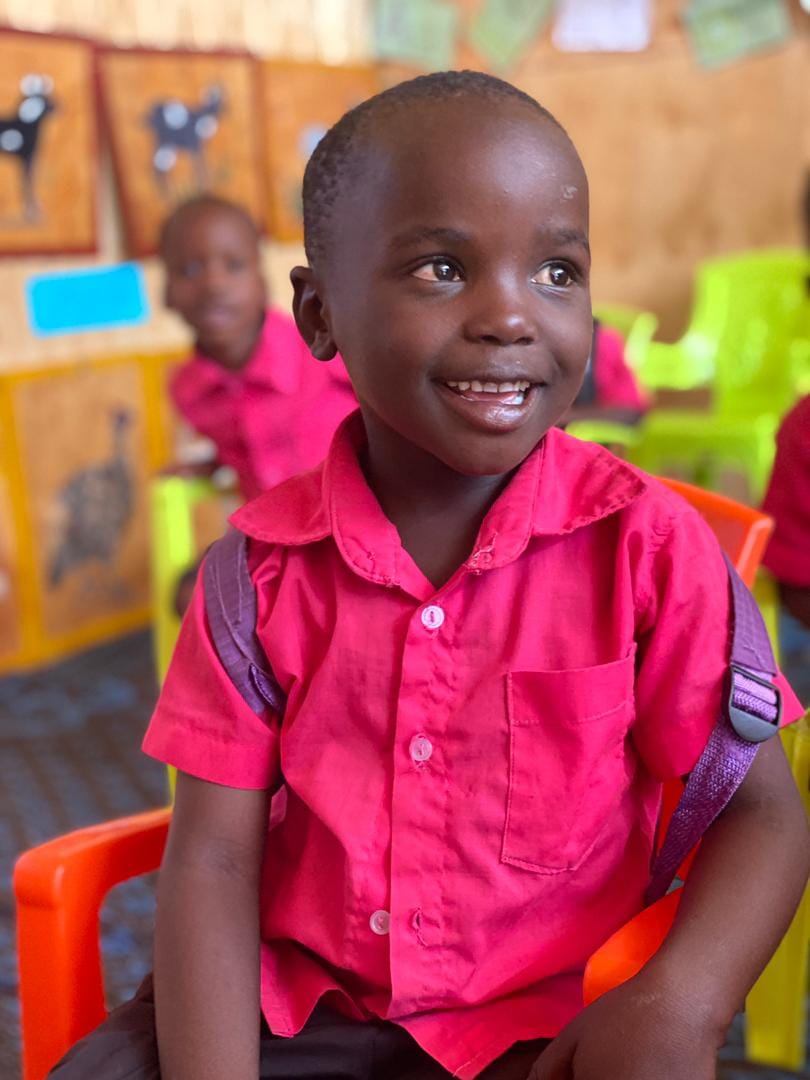
KTO's three flagship programs, Elimu Haina Mwisho (education for young mothers who left school), Mpira Fursa (football-based school retention), and Early Childhood Development (daycare and educator training), all operate through the FDC network. The colleges are not just buildings. They are the delivery infrastructure for programs that reach thousands of young people and children annually.
EHM has served 11,181 participants since 2019, with 1,725 young women currently enrolled across FDCs in multiple regions. The ECD program operates daycare centers at 37 FDCs, caring for 1,013 children while training professional early childhood educators. Mpira Fursa runs 226 football teams across 113 primary schools connected to FDCs in 24 regions.
The FDC network makes all of this possible. Without 55 established campuses with government-funded infrastructure and staff, delivering programs at this scale would require building a parallel system from scratch.
Looking Forward: 2022 to 2027
KTO's Strategic Plan 2022-2027 focuses on deepening program quality, expanding the ECD initiative from 15 to all 55 FDCs, and strengthening the evidence base through systematic monitoring and evaluation.
The vision statement is specific: well-informed, socio-economically active citizens. Not "development." Not abstract progress. Citizens who can participate fully in their communities and economies because they received practical, relevant education at an institution designed for exactly that purpose.
Tanzania's Folk Development Colleges are, by global standards, rare. Only four other countries maintain anything comparable. That rarity is worth understanding, not as a curiosity, but as evidence that community-based, non-formal education at national scale is possible. Fifty-five campuses. Over 21,000 learners. Thirty-six years of KTO coordination. The model works, and it is growing.