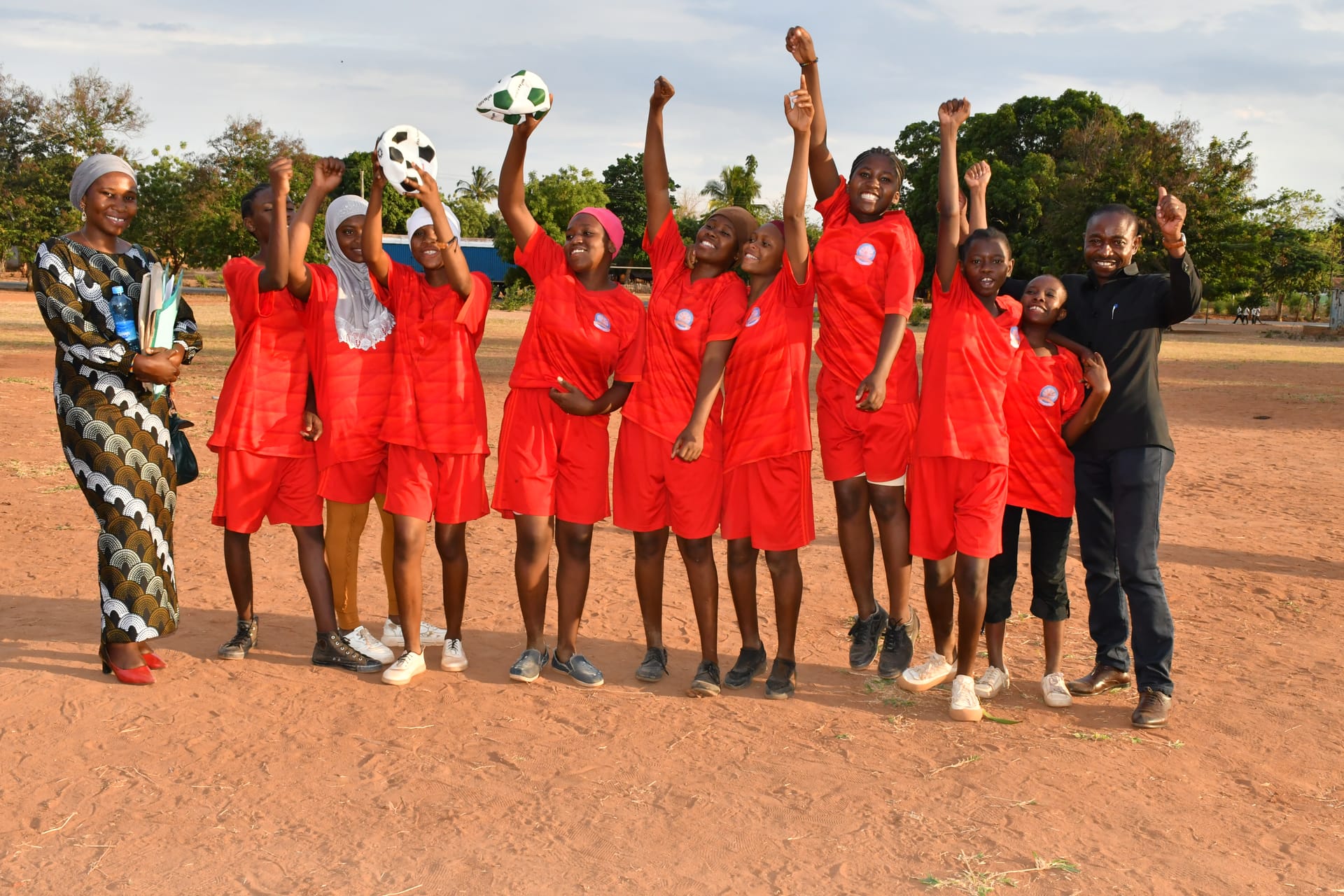
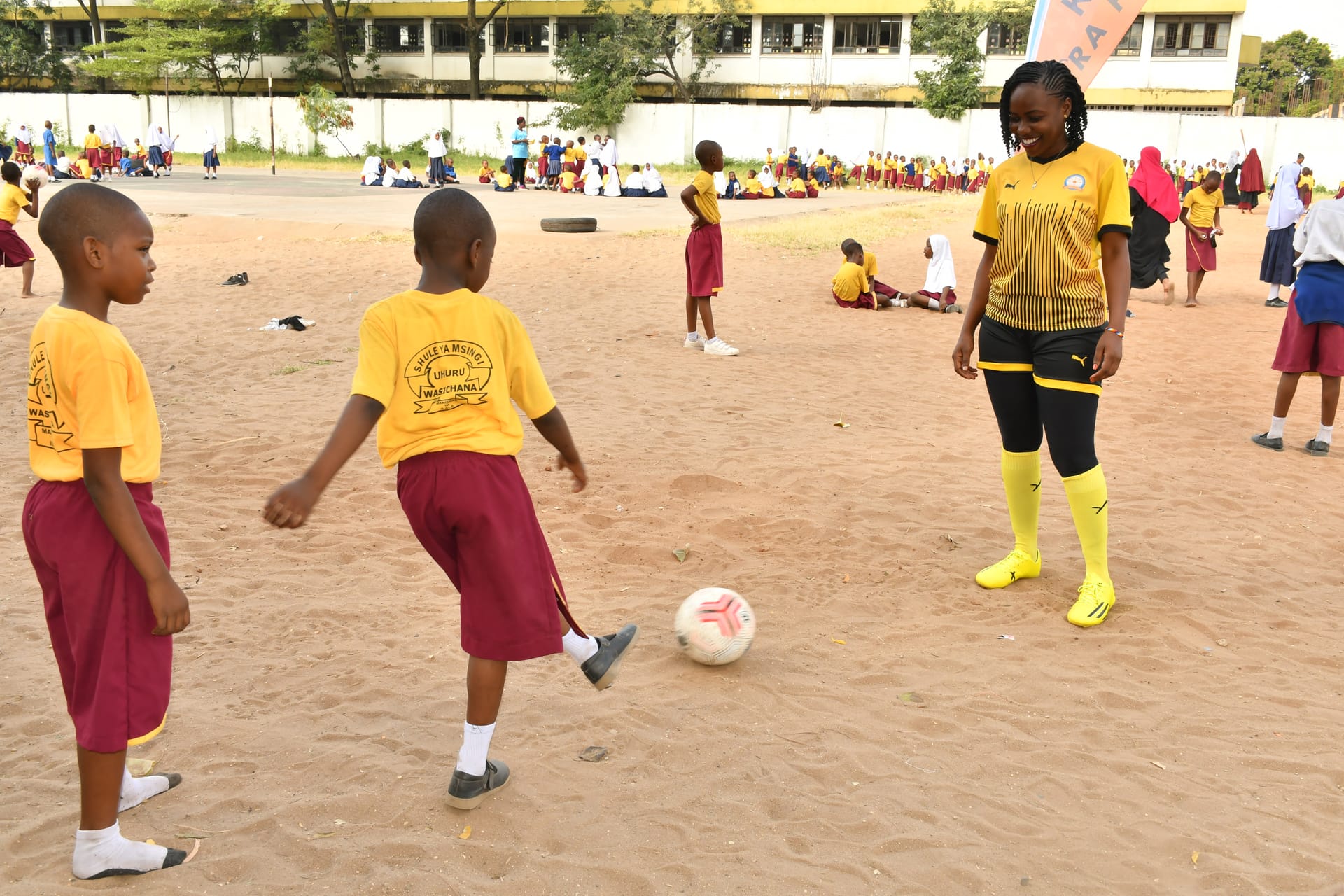
At a primary school pitch outside Masasi, in the Southern Zone, a goalkeeper punches a cross clear and immediately calls for the ball back. Her teammates reset. A coach on the sideline holds up a hand: five minutes left before the session shifts from football to a facilitated conversation about consent and personal safety. The girls know the routine. They have been doing this every week since term started.
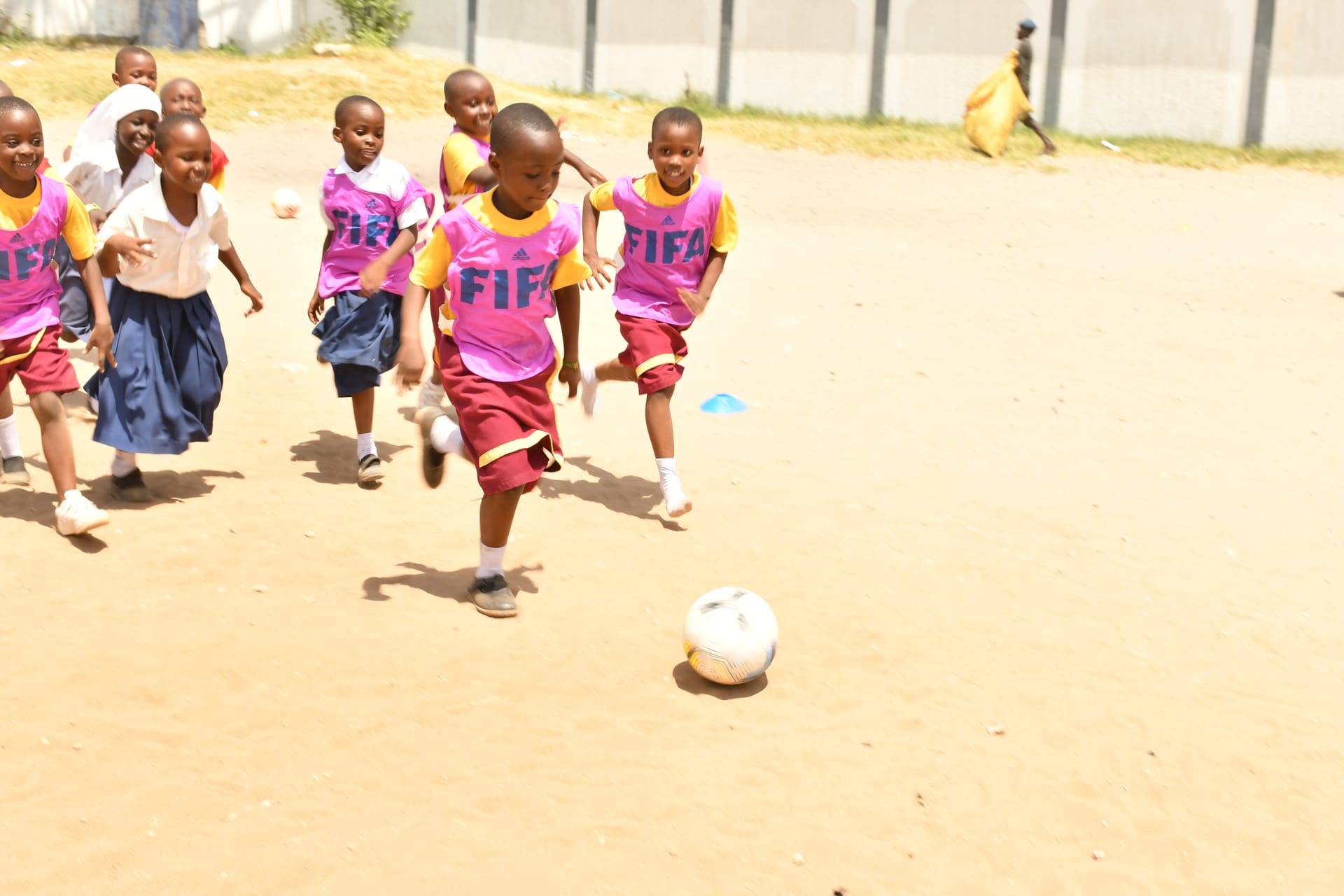
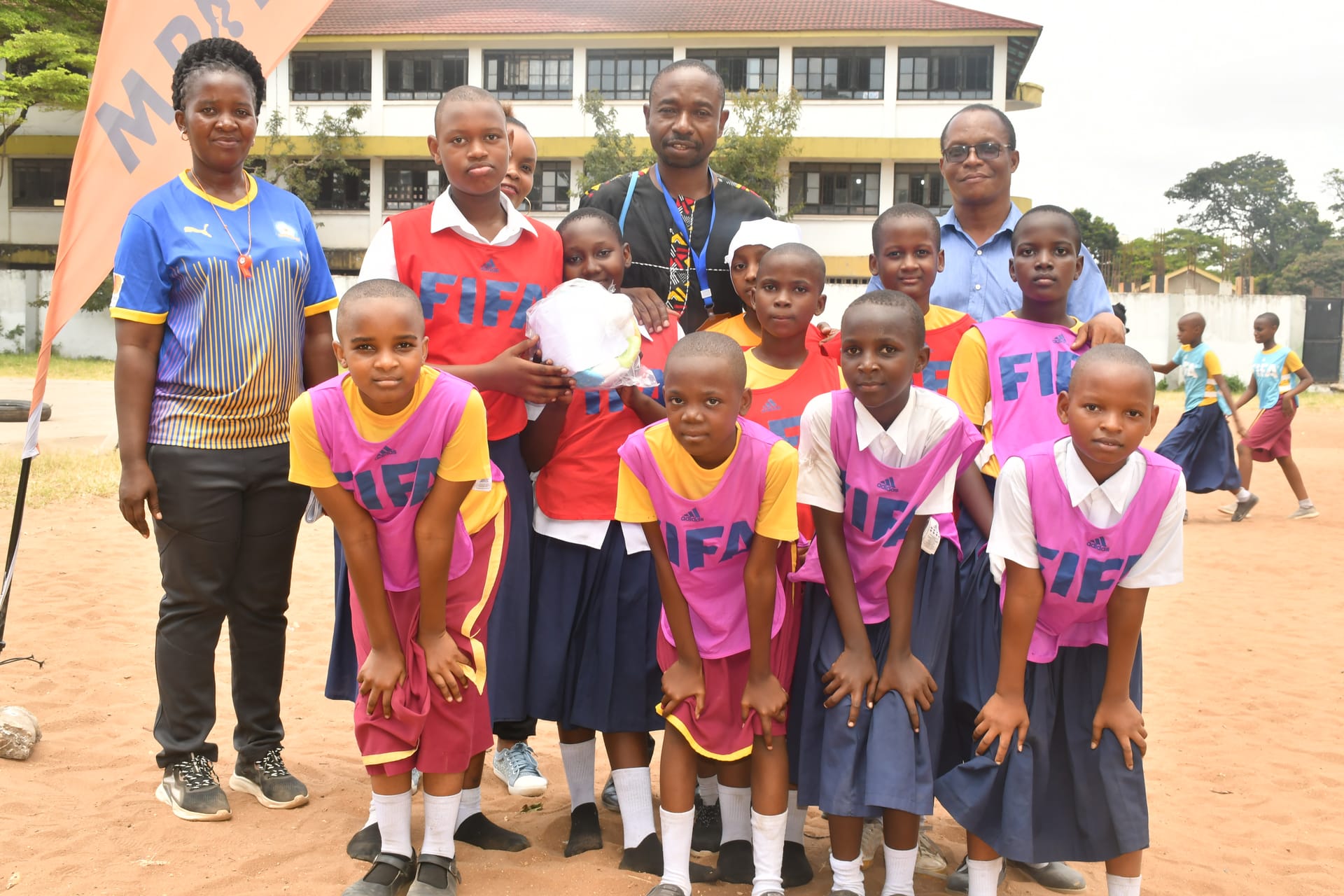
This is one session, at one school, in one region. Multiply it across 113 primary schools in 24 regions of Tanzania and you begin to see what Mpira Fursa actually looks like at scale: 226 football teams, 172 of them girls' teams, reaching more than 10,000 children every year.
Building from 54 FDCs Outward
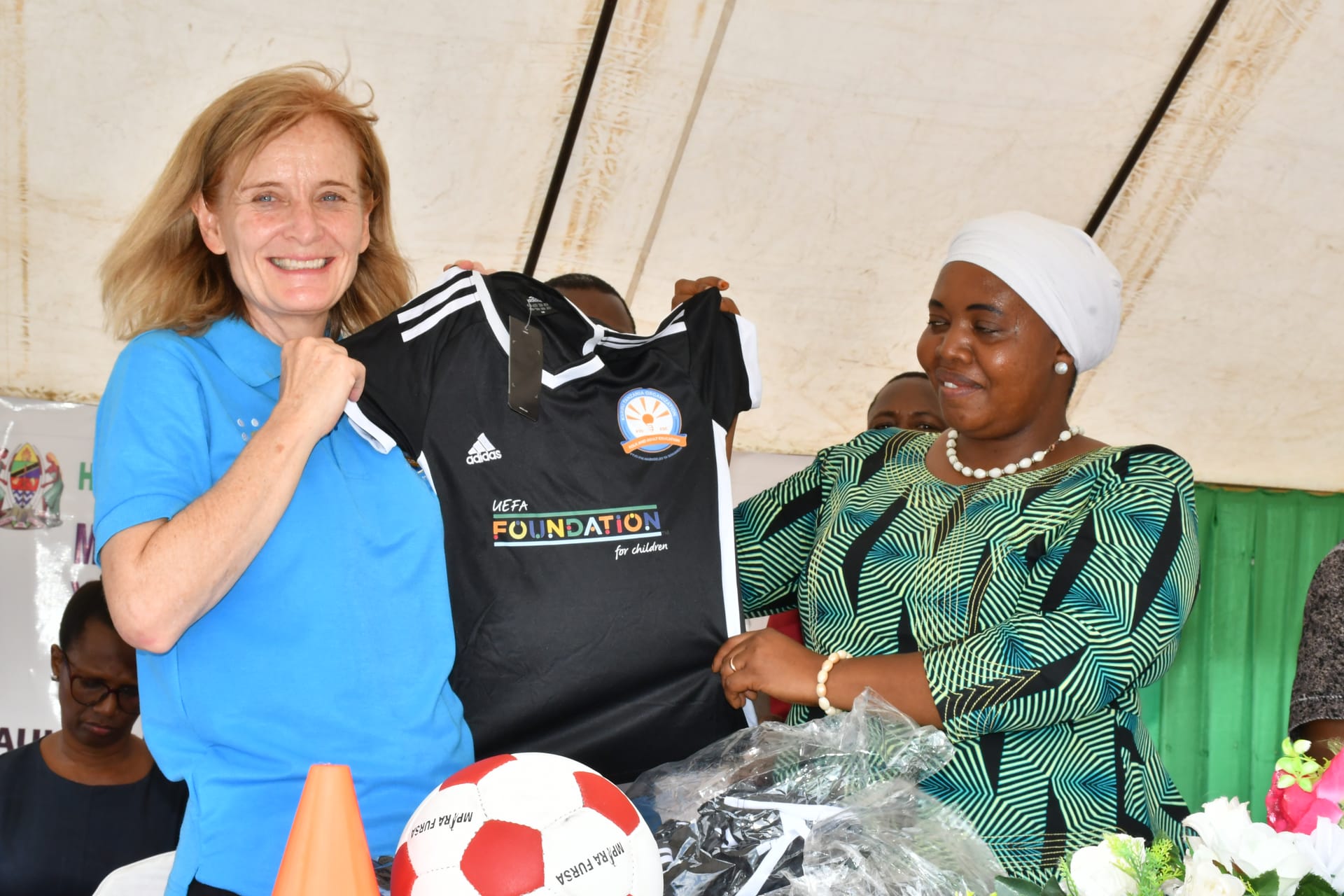
Mpira Fursa, which translates to "Sports Opportunity," has been running since 2016 through Karibu Tanzania Organization. The programme operates from 54 Folk Development Colleges and extends into surrounding primary schools and communities. It is funded through a partnership between the UEFA Foundation for Children, UNFPA, and the Tanzania Football Federation.
The structure is deliberate. Each FDC serves as a hub. Coaches are trained at the college, then deployed to nearby primary schools where they run twice-weekly sessions combining football with life skills education. The topics are not abstract: sexual and reproductive health and rights (SRHR), menstrual health, gender-based violence prevention, nutrition, and goal-setting.
"The football pitch is where girls first start to see themselves as people who can lead, compete, and make decisions. The life skills sessions give them the language and knowledge to protect those possibilities."
The Southern Zone: A Closer Look
The Southern Zone illustrates how the model fans out from FDC hubs to primary schools. Nine FDCs anchor the zone: Mbinga, Muhukuru, Nandembo, Mputa, Newala, Masasi, Mtawanya, Kilwa Masoko, and Chilala. Each one connects to partner primary schools in its area, creating a web of activity that covers some of Tanzania's most rural and underserved districts.
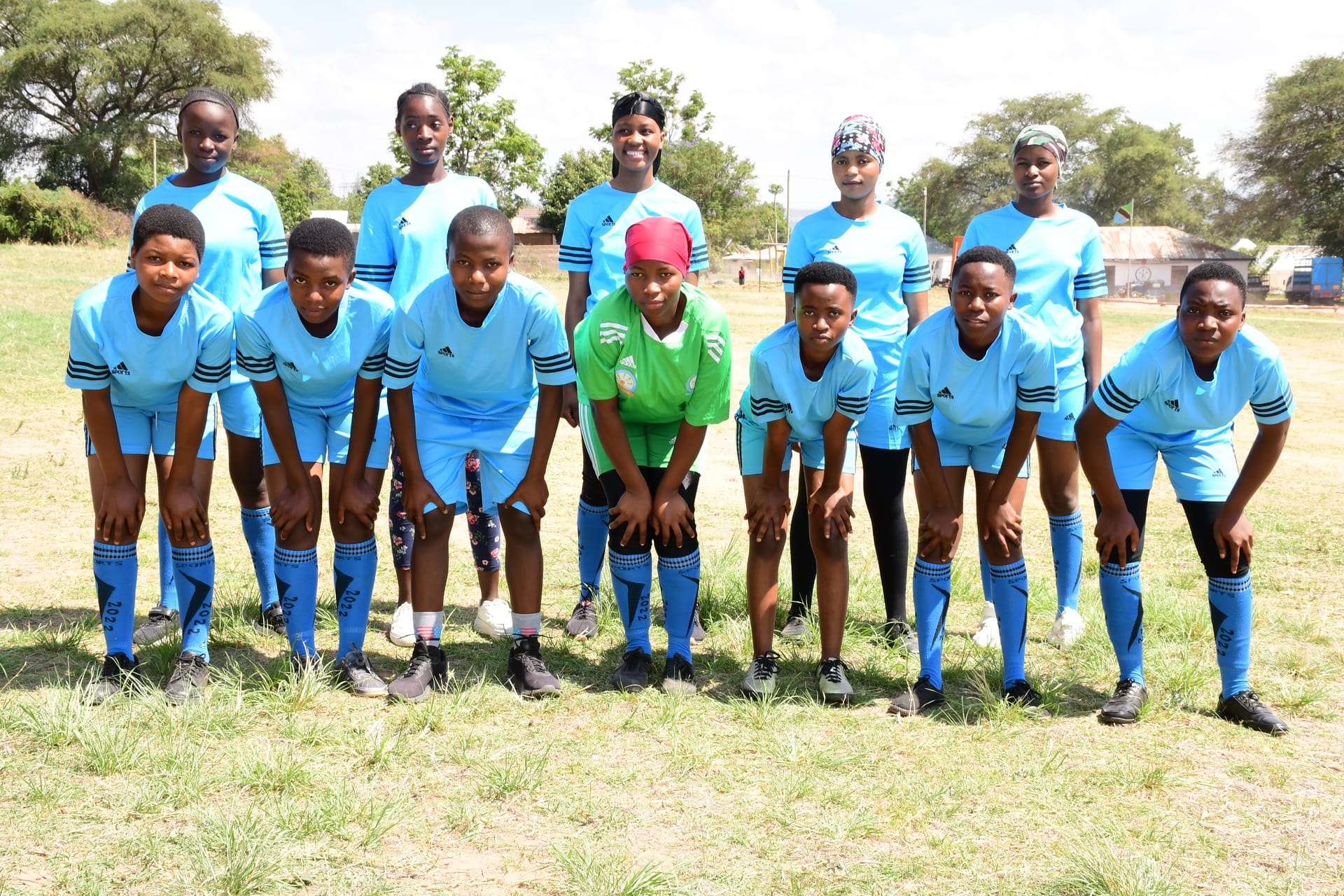
Coaches in the Southern Zone follow the same playbook as everywhere else. Sessions begin with a warm-up, move into structured football drills, and close with a facilitated life skills module. But the Southern Zone also shows how community attitudes shift when the programme stays long enough. Parents who initially refused to let daughters play now attend matches. Male teachers volunteer as assistant coaches. Local leaders publicly endorse girls' participation in sport.
339 Footballs and a Production Line
Equipment matters when you are working in rural schools that have never owned a proper football. Mpira Fursa has distributed 339 footballs across its network. But the programme went further: KTO partnered with DIT Mwanza (Dar es Salaam Institute of Technology, Mwanza campus) to develop local football production capacity. Sixteen tailoring instructors at FDCs have been trained to manufacture footballs, turning a supply problem into a skills-training opportunity.
This is typical of how Mpira Fursa operates. Every gap becomes a programme design question. No footballs? Train people to make them. No coaches? Recruit from the FDC student body and alumni. No parent support? Build community dialogue into the programme calendar.
More Than Sport: The Life Skills Integration
The football is the entry point. The life skills curriculum is the core. Every session includes structured time for facilitated conversations, and the topics escalate with age and context.
For primary school children, sessions cover hygiene, nutrition, teamwork, and basic rights awareness. For older participants at FDC level, the curriculum addresses SRHR, gender-based violence, financial literacy, and self-employment planning. The 900-plus female players at FDCs receive the full integrated programme, linking sport to the vocational training they are already pursuing.
"We do not separate the football from the learning. A girl who has just scored her first goal is ready to hear that she has the right to say no. The confidence transfers."
The Referee from Malya
One story that captures the programme's ambition: Tulizo Mwatwebe, an EHM participant, completed a professional referee course at Malya Sports College. She came into Mpira Fursa as a player, moved through the life skills curriculum, and decided she wanted to officiate. The programme connected her to the pathway. She is now certified.
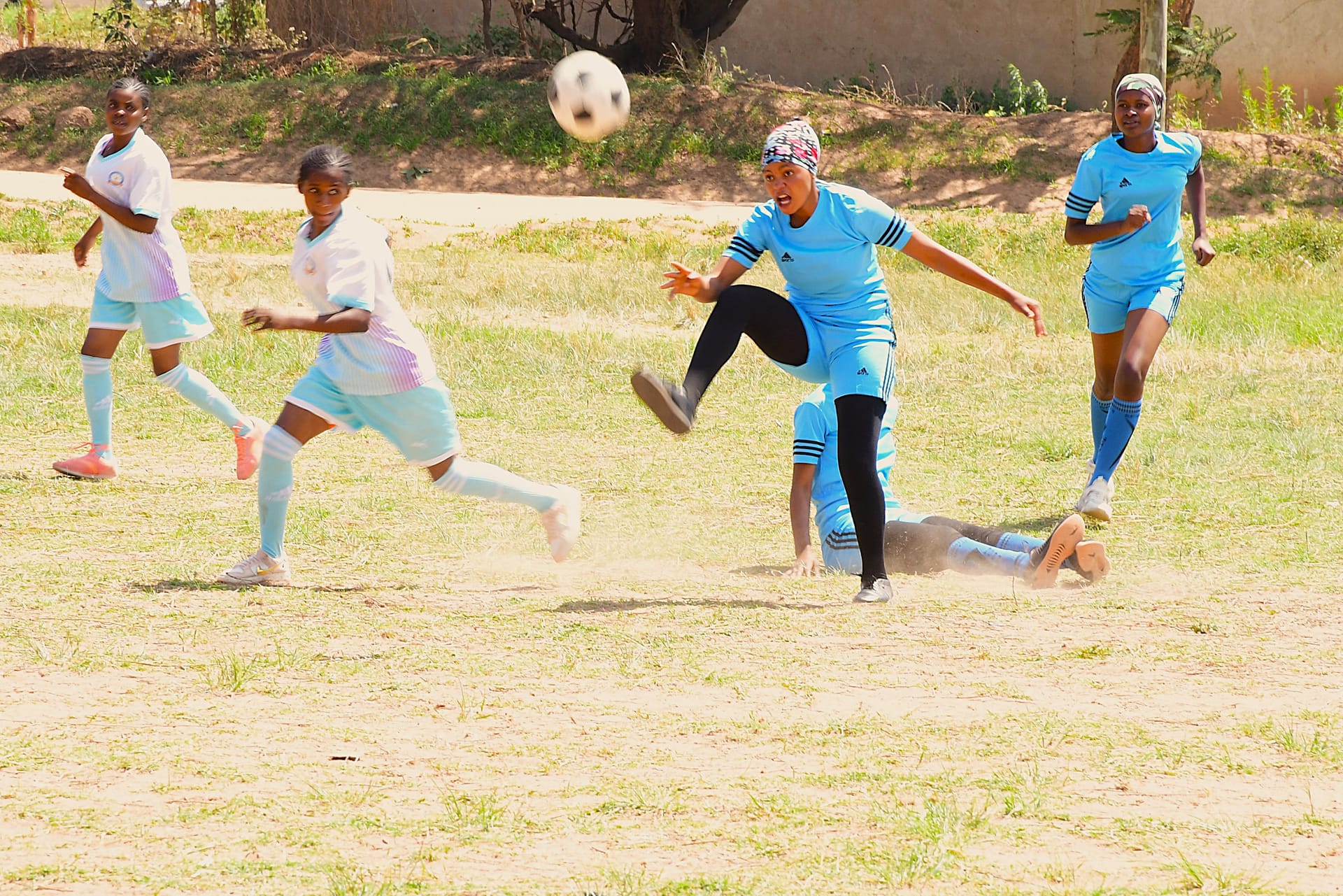
This is what "opportunity" means in the programme's name. The football is not the destination. It is the mechanism that opens doors to coaching, refereeing, sports administration, and the confidence to pursue any of them.
Mental Health: The Newest Layer
Since 2023, Mpira Fursa has added a mental health component targeting secondary school students. The numbers so far: over 1,200 secondary students reached, with 24 trained mental health teacher-facilitators delivering the curriculum.
This expansion reflects a growing body of evidence that sport-based programmes are effective entry points for mental health support, particularly in contexts where standalone mental health services are scarce or stigmatized. The teacher-facilitators are embedded in schools, not visiting experts. They stay.
172 Girls' Teams and Counting
The ratio tells the story: 172 out of 226 teams are girls' teams. That is not an accident. It is a design choice. Mpira Fursa was built to prioritize girls' access to sport because girls are the ones most likely to be excluded from it. Every coaching manual, every community dialogue session, every equipment distribution reflects that priority.
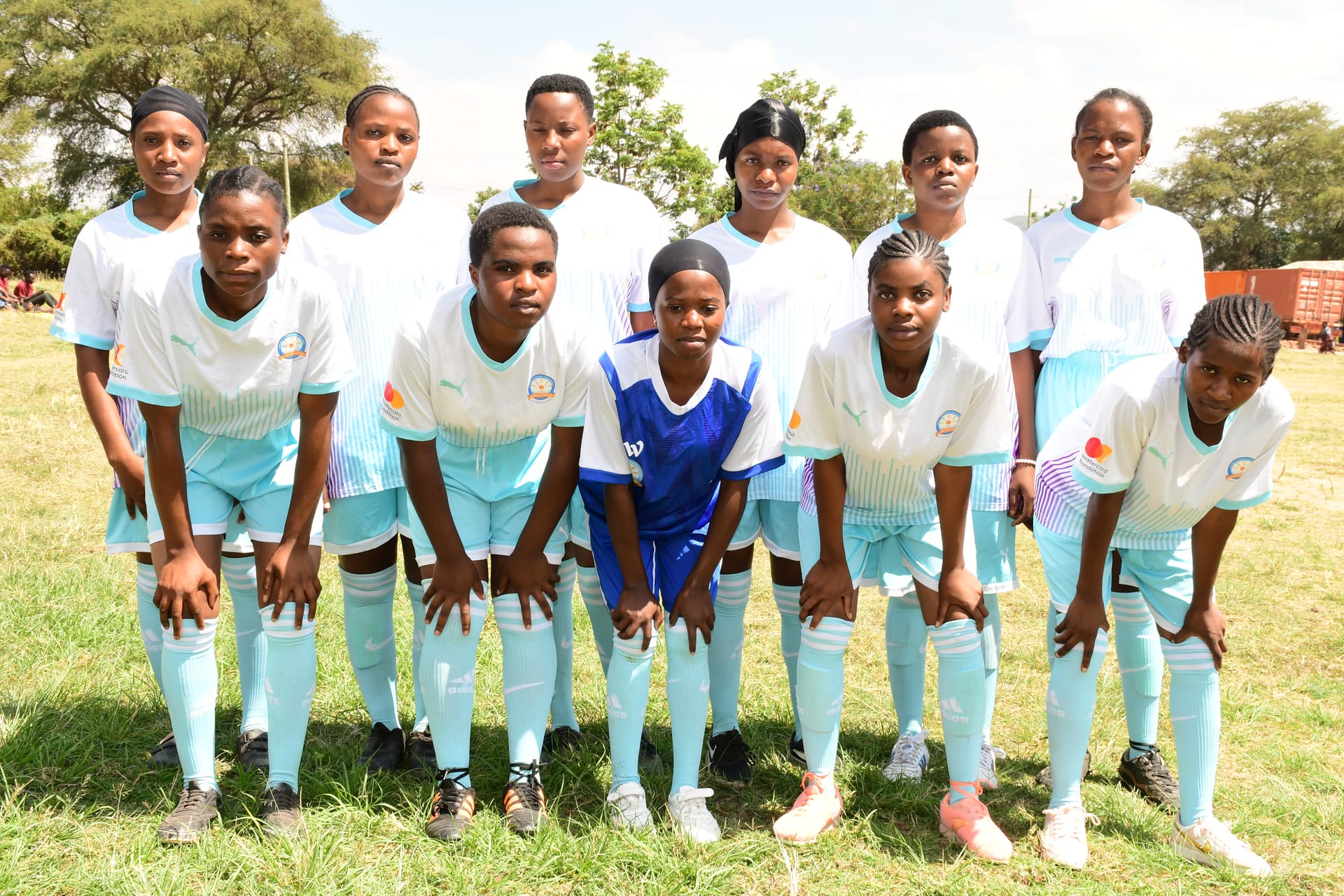
Across 113 primary schools, in 24 regions, with 10,000 children playing every year, the programme has reached a scale where it is no longer a pilot or an experiment. It is infrastructure. And every week, on pitches from Masasi to Singida, the next session is about to start.