At Singida Folk Development College, 47 young women line up in matching graduation gowns, certificates pressed flat against their chests, waiting for the signal to toss their caps. Several hold their children on one hip. One graduate, a trained tailor who completed all three terms while raising a toddler, adjusts the collar of the woman beside her. The photographer counts down. The caps go up.

This cohort is different from every one before it. They are the first to graduate under a curriculum formally recognized by the Government of Tanzania. In December 2024, the government issued a state press release confirming what KTO had been building toward for six years: Elimu Haina Mwisho is no longer a pilot. It is national education policy.
Three colleges, one question
EHM started in 2018 with a simple premise tested at three Folk Development Colleges. Young women who had left secondary school, often due to pregnancy, early marriage, or economic hardship, could re-enter education through the FDC system. The program combined academic subjects with vocational training, life skills, and entrepreneurship. The question was whether the existing FDC infrastructure could absorb this new mandate without additional institutions, additional buildings, or additional bureaucracy.

The answer came faster than anyone expected. Within four years, EHM scaled from 3 FDCs to 54 across mainland Tanzania. By the end of 2024, 11,181 young women had participated. The government was paying teacher salaries through the FDC system, providing fee waivers of 250,000 TZS per participant, and covering meal subsidies of 810,000 TZS per student per year. KTO designed the programs, trained the teachers, and monitored quality. Sida provided the funding that made development and scaling possible.
"This is not charity. It is co-investment. The government provides infrastructure, teachers, and meals. KTO provides the program architecture and training. Each side contributes what it does best."
What recognition actually means
Policy recognition sounds abstract. In practice, it changed the program at every level.
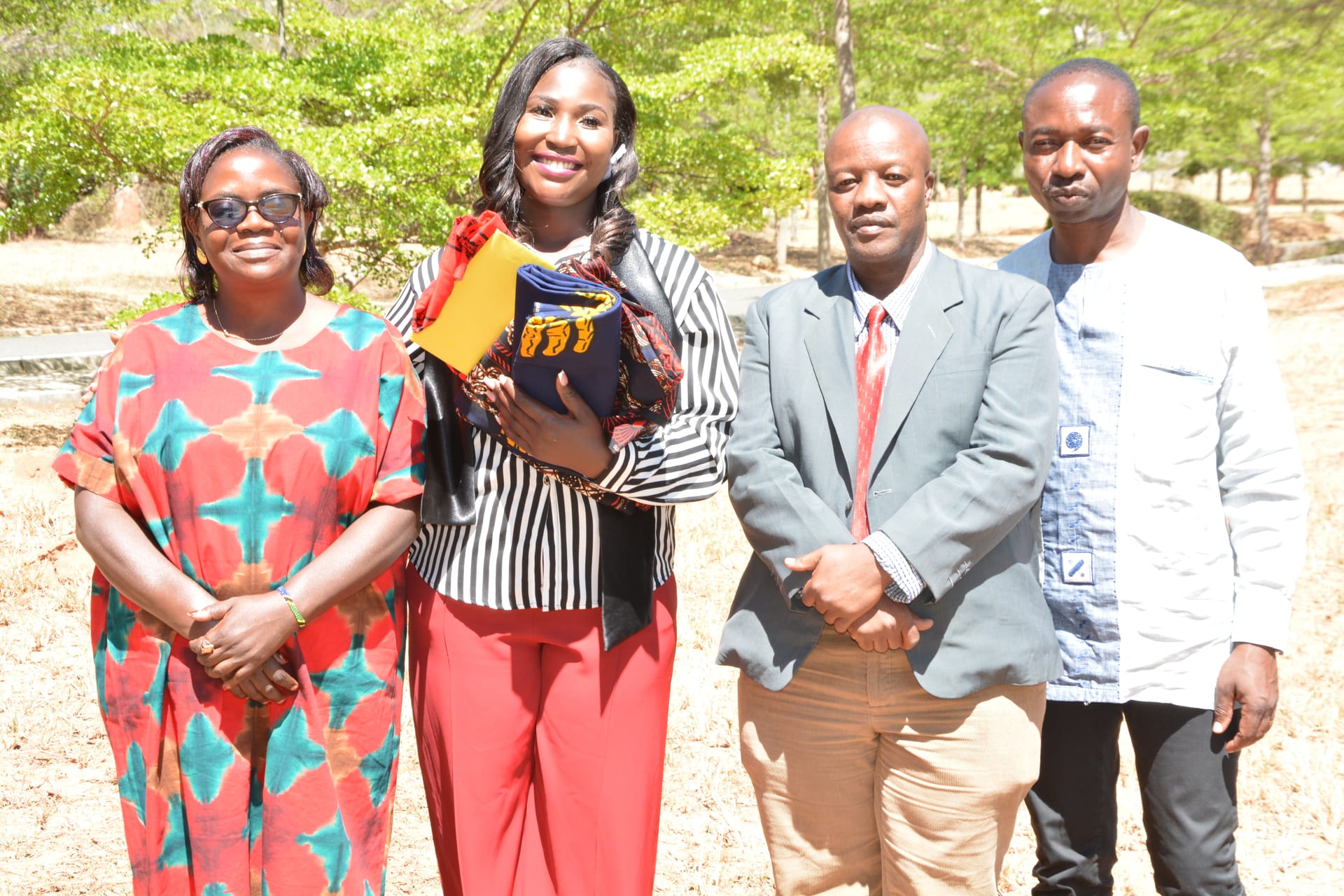
Curriculum alignment. Starting in 2025, EHM follows the National Vocational Award (NVA) Levels 1 through 3, a structured three-year program that produces nationally recognized qualifications. The 1,725 young women who enrolled in 2025 are the first cohort to enter this fully aligned curriculum from day one.
Examination centers. 44 FDCs are now registered as secondary education examination centers. Graduates receive credentials that carry weight with employers and further education institutions. This was not the case during the pilot years, when certification pathways were ad hoc.
Policy revision. EHM contributed directly to the revision of Tanzania's Education and Training Policy from the 2014 version to the updated 2023 framework. The revised policy expanded provisions for alternative education pathways, creating formal space for programs like EHM within the national system.
Institutional access. KTO was admitted to the Education Sector Development Committee (ESDC), the body that shapes education policy in Tanzania. This gives KTO a seat at the table where curriculum standards, budget allocations, and scaling decisions are made.
The co-investment model
Most development programs operate alongside government systems. EHM operates inside them. This distinction matters.
The government provides the physical infrastructure (55 FDC campuses across the country), pays all teacher salaries, funds meal subsidies, and waives tuition fees. KTO provides program design, teacher training (182 teachers trained so far, 136 men and 46 women), quality monitoring, and curriculum development. The result is a program that costs a fraction of what a parallel system would require, and one that the government has genuine ownership over.
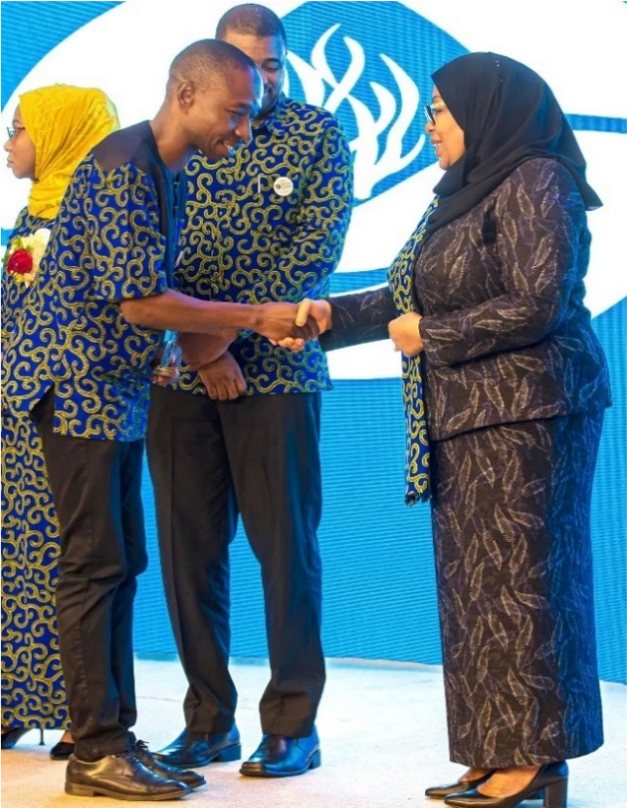
This model is why the government said yes. Recognition was not a favor. It was an acknowledgment that EHM had proven itself within the government's own institutions, using the government's own staff, at a scale that warranted formal integration.
"The government spokesperson commended EHM specifically for working through existing institutions rather than creating new ones. That is the difference between a project and a system."
182 teachers, 54 colleges
Scaling a program is one thing. Scaling quality is another. KTO has trained 182 teachers across 54 FDCs, equipping them to deliver a curriculum that blends academic subjects with practical vocational skills: tailoring, agriculture, plumbing, electrical work, ICT, and metalwork.
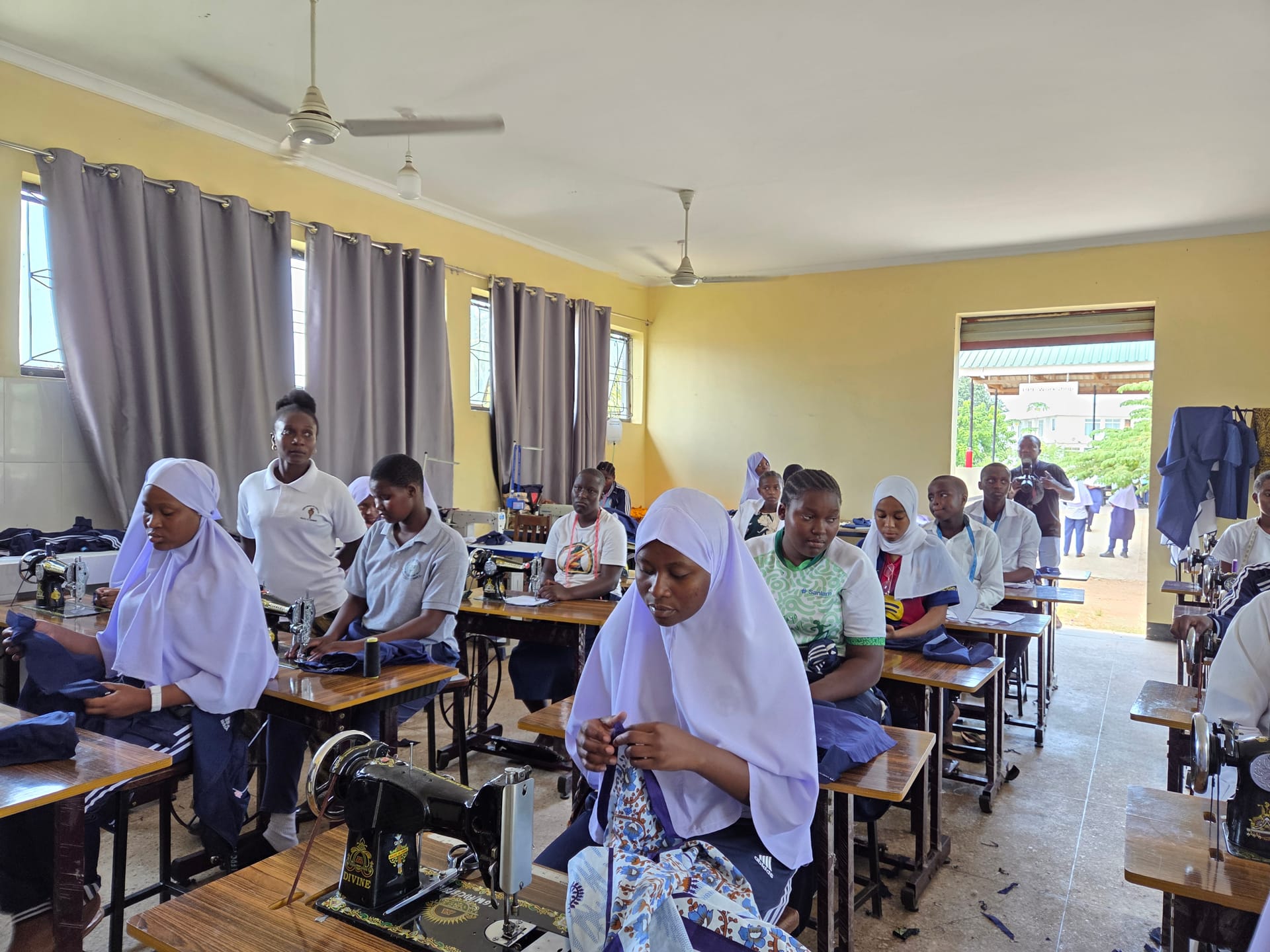
The graduate outcomes reflect this dual focus. Among EHM graduates, 44% are self-employed, running small businesses in the trades they learned. Another 11% found formal employment, and 13% continued studying at higher levels. These numbers come from KTO's own monitoring data, tracked by the M&E team across all participating FDCs.
The 2025 cohort
The 1,725 young women who enrolled in 2025 will be the first to complete the full three-year NVA 1-3 curriculum under formal government recognition. They will graduate in 2027 with credentials that are part of the national qualifications framework, not certificates from a pilot program.
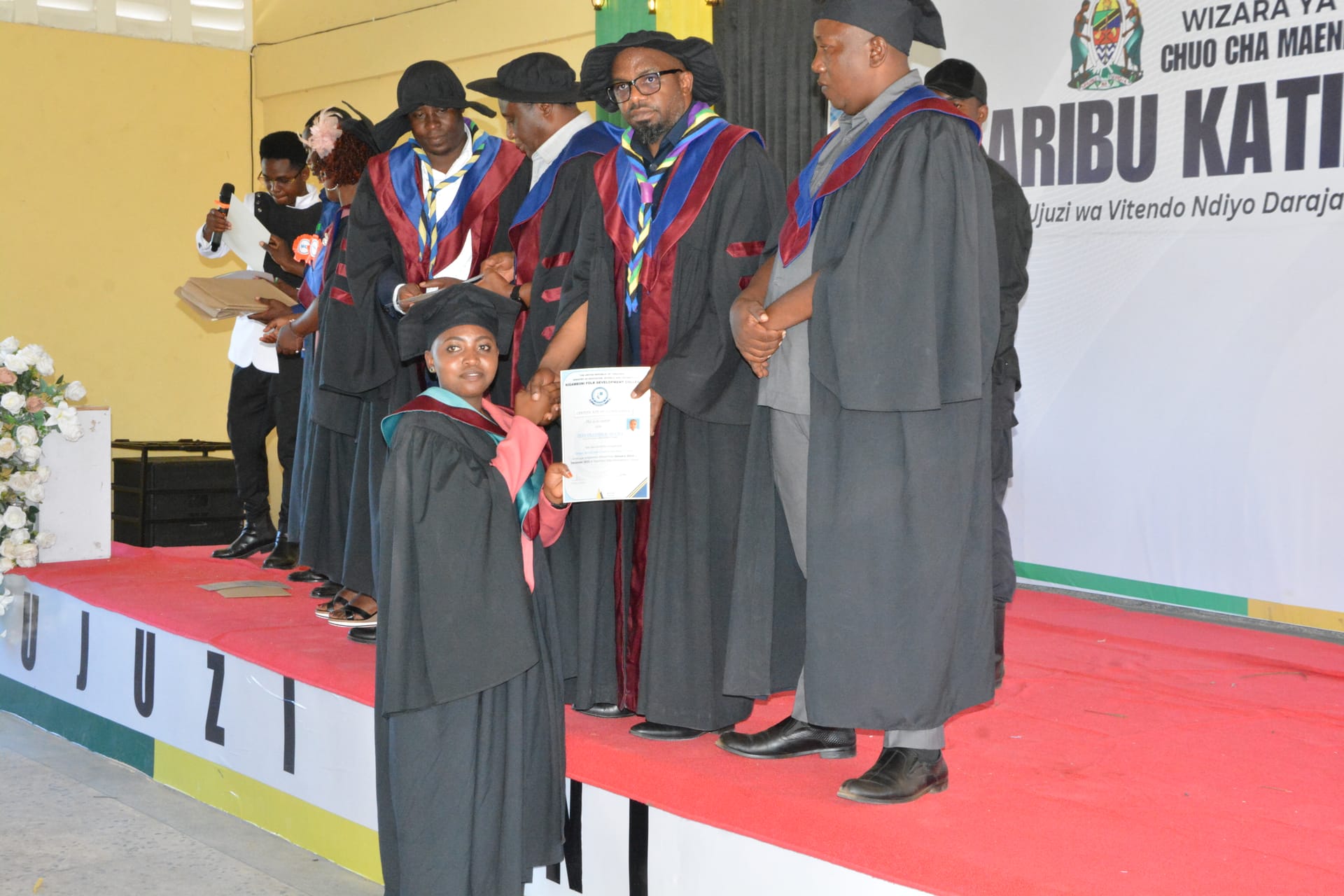
For KTO, the December 2024 recognition was not an endpoint. It was a structural shift. The organization that started as a coordinating body for Folk Development Colleges in 1990 now has a permanent role in shaping how Tanzania delivers second-chance education. The 55 FDCs are no longer just vocational training centers. They are the infrastructure for a national program that the government itself has chosen to own.
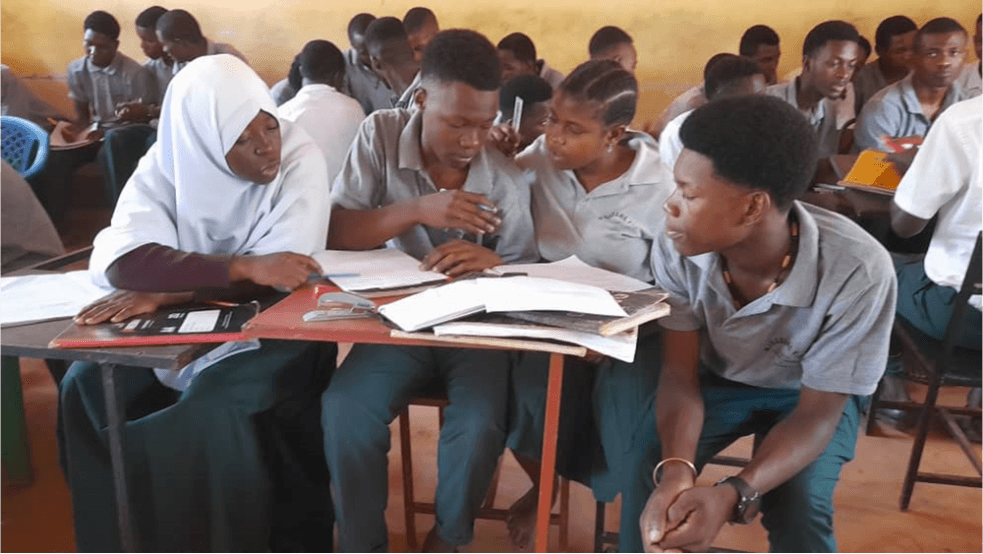
The caps came down at Singida. The graduates filed out to find their families. The next enrollment cycle was already underway.