Amina pulls a curved needle through synthetic leather, guiding the thread along a pre-marked seam with the kind of steady hand you develop after weeks of practice. She is stitching the final panel of a football at a Folk Development College workshop. Around her, fifteen other young women work at various stages of the production line: cutting panels from templates, preparing bladders, running quality checks on finished balls. By the end of this session, the group will have completed a batch that meets international manufacturing standards.
These are not hobbyists. They are vocational trainees building a product that their own communities need, and the economics of the arrangement are unlike anything else in Tanzanian youth programming.
A Partnership Built on Precision
The football production module exists because of a partnership between KTO and the Dar es Salaam Institute of Technology (DIT) in Mwanza. DIT provided the technical specifications and manufacturing know-how. KTO embedded that expertise into a structured curriculum delivered through the Folk Development College network.
The curriculum is detailed. Students learn material selection (synthetic leather grades, bladder types, thread specifications), cutting techniques, hand-stitching methods, bladder insertion, and quality control protocols. Every finished ball must pass inspection. The standard is not "good enough for practice." The standard is international manufacturing compliance.
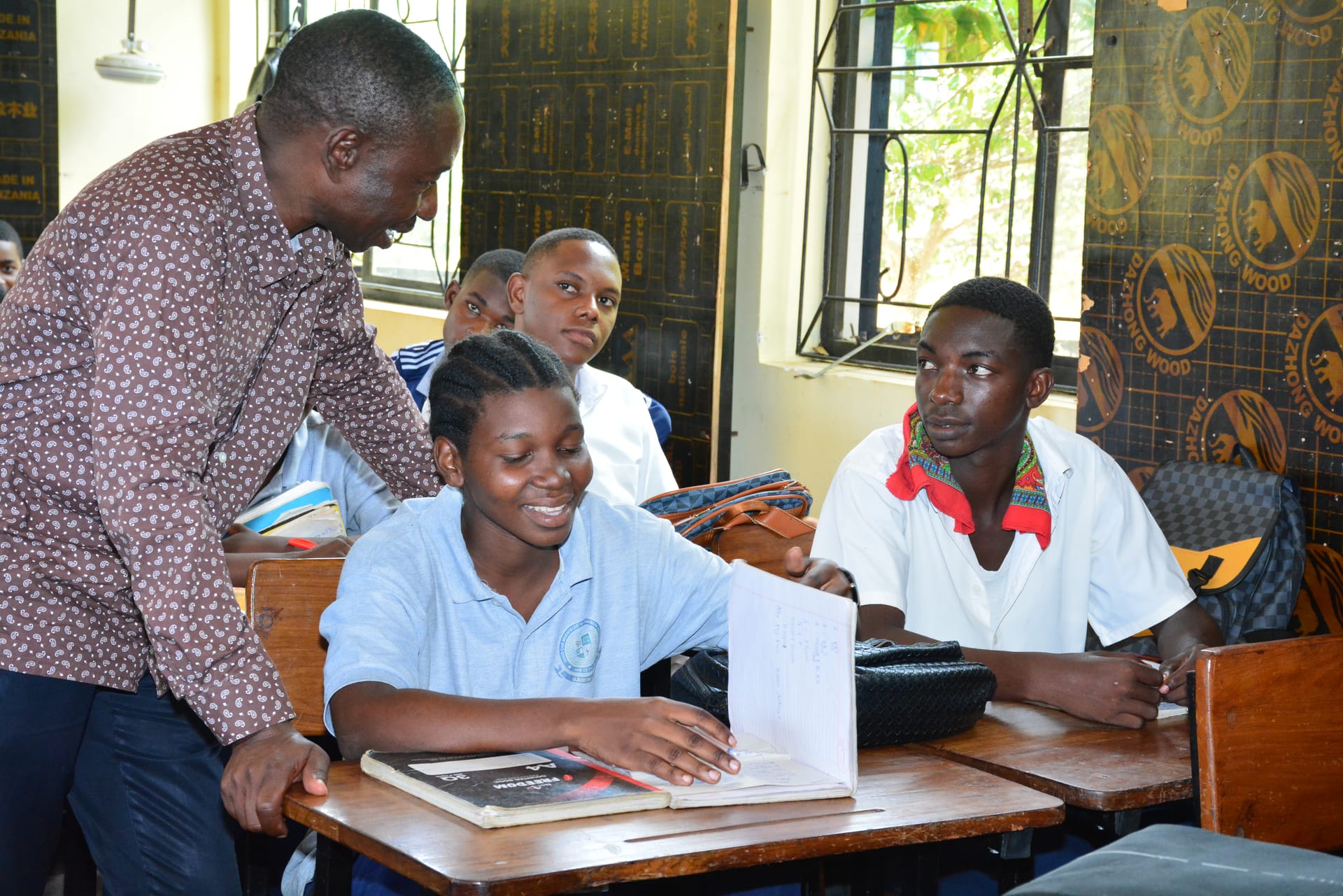
Sixteen tailoring instructors across participating FDCs have been trained in football production methods. They now teach the module alongside their regular vocational programs, which means the knowledge is embedded in institutions, not dependent on visiting consultants.
The Circular Logic
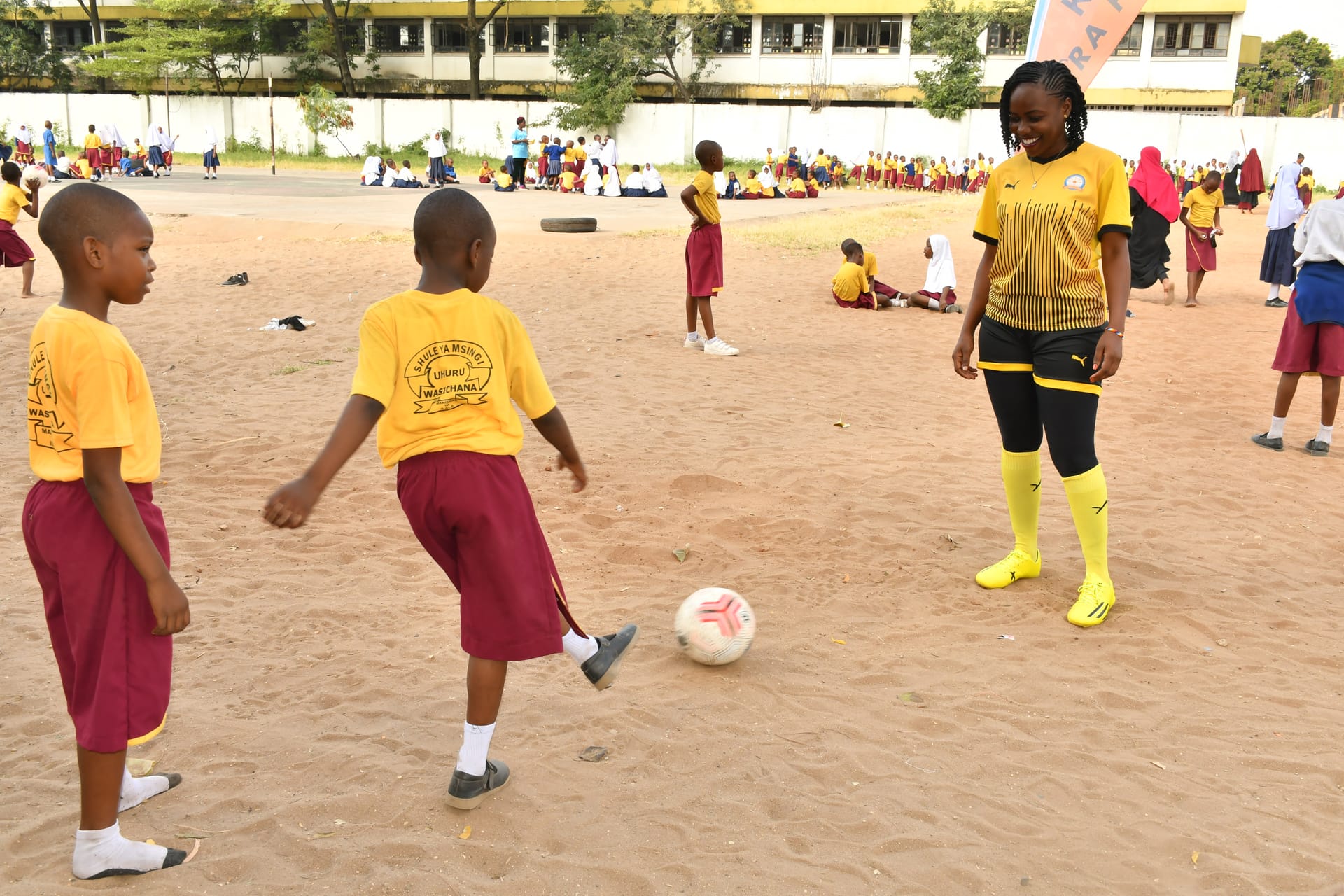
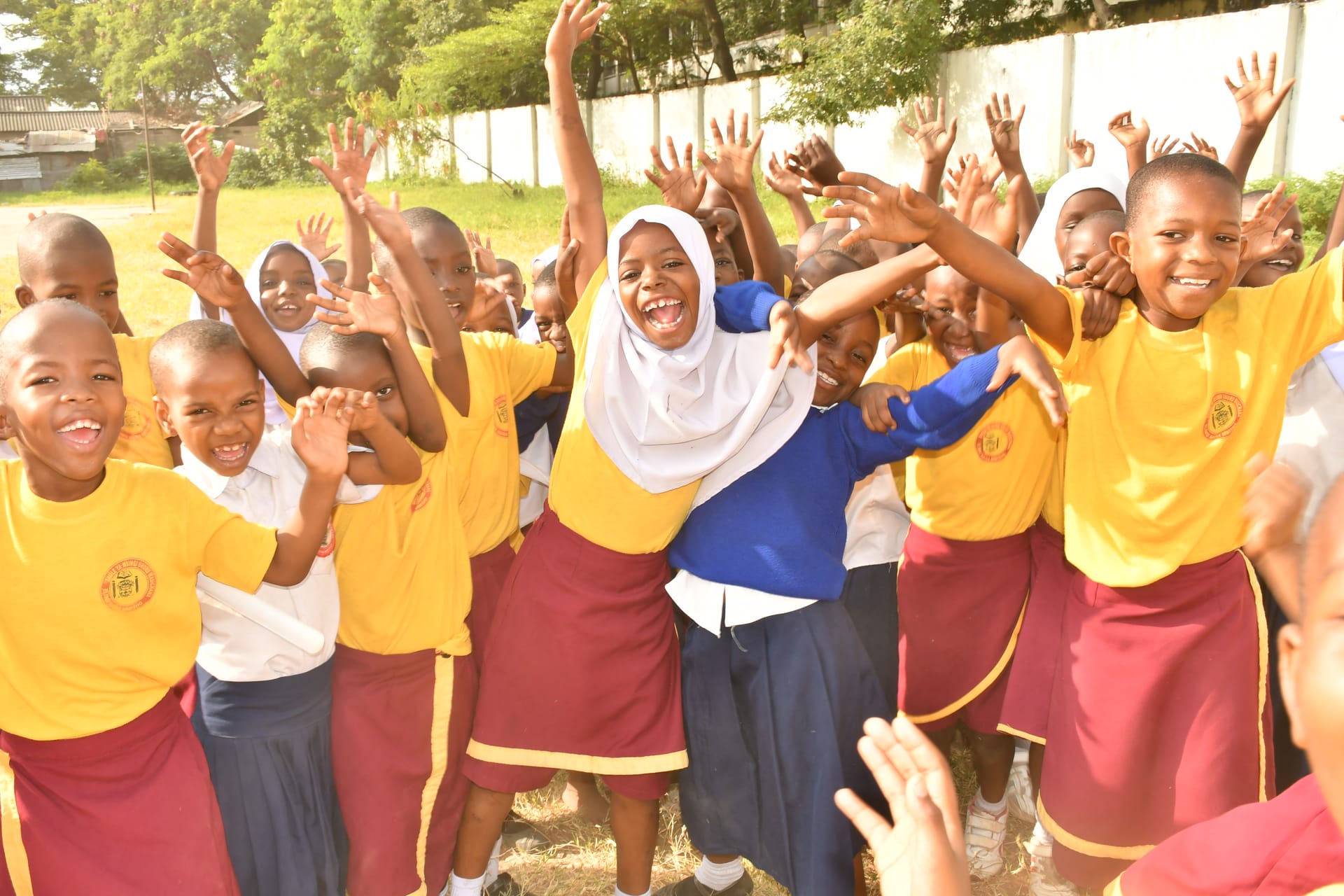
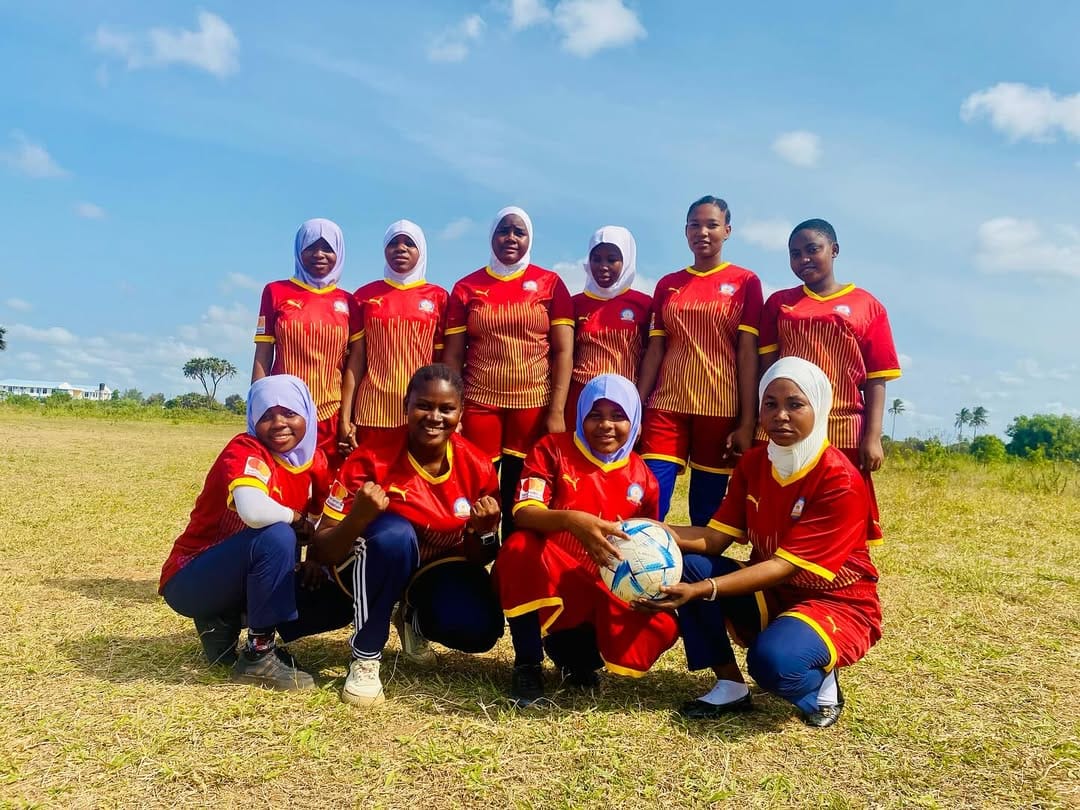
Here is what makes this model unusual. Mpira Fursa, KTO's football and education program, operates across 54 FDCs in 24 regions of Tanzania. It runs 226 football teams at 113 primary schools. Of those 226 teams, 172 are girls' teams. More than 10,000 children participate annually.
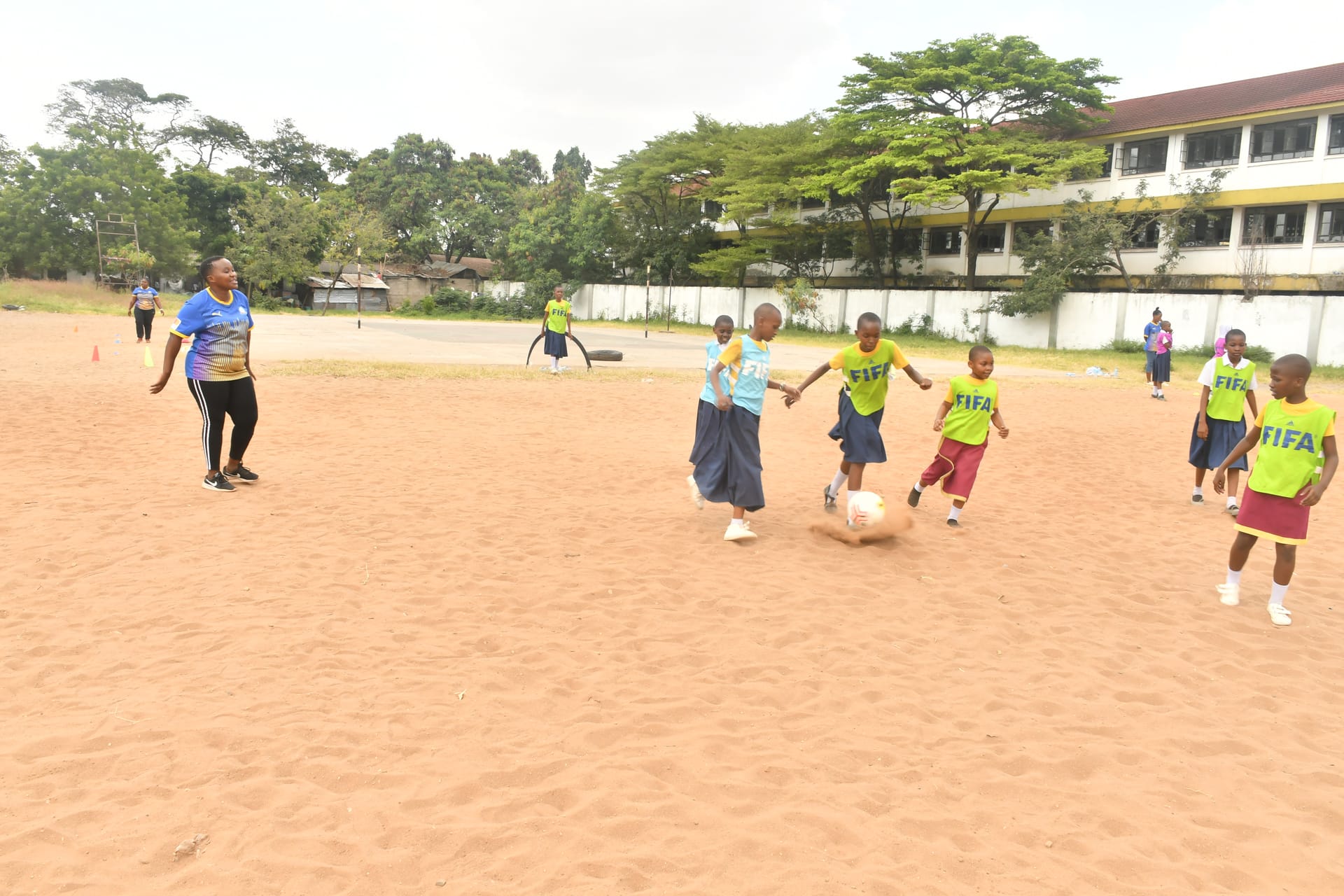
That scale requires equipment. Specifically, it requires footballs, hundreds of them, replaced regularly as they wear out on school pitches across the country. Importing quality balls is expensive. Supply chains are unreliable. Delivery to remote FDCs adds cost and delay.
So KTO built the supply chain inside the program itself.
"The young women who manufacture these footballs are, in many cases, the same women whose younger sisters and daughters play on the teams those balls supply. Production and participation feed each other."
The numbers tell the story: 339 footballs distributed across the network so far, with production capacity growing as more FDCs add the module. Each ball produced locally costs less than an imported equivalent, eliminates shipping delays, and generates income that funds further training and materials.
Skills That Travel
Football production is, at its core, precision manufacturing. The competencies involved, cutting to specification, hand-stitching durable seams, quality testing finished products, managing materials inventory, transfer directly to garment manufacturing, leather goods production, upholstery, and industrial sewing.
Graduates earn NACTVET and NVA certification, Tanzania's nationally recognized vocational qualifications. This matters. A certificate in football production is also a certificate in manufacturing. Employers and self-employment opportunities do not care whether the trainee practiced on footballs or handbags. They care about precision, consistency, and the ability to meet a quality standard.
From 2026, the program expands to include young men in the production module, broadening both the workforce and the output capacity.
200 Visitors, Two Ministers, and a Football
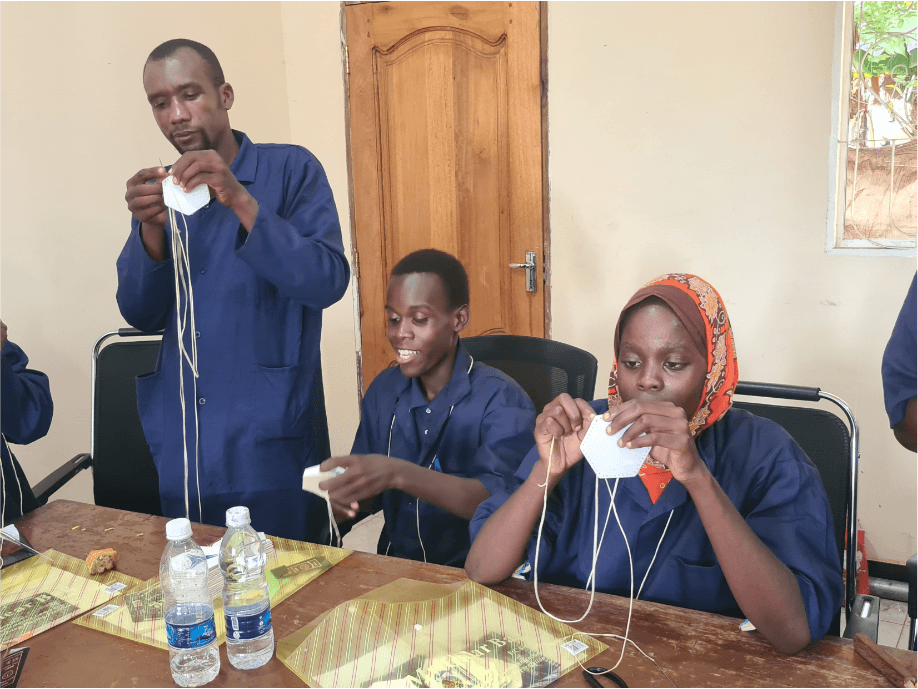
On International Youth Day 2024, themed "From Clicks to Progress," tailoring tutors from Mputa and Kigamboni FDCs set up a live demonstration of football manufacturing. Over 200 visitors watched the full production process: panel cutting, stitching, bladder insertion, and final quality checks.
The demonstration drew attention at the highest levels. Hon. Ridhiwani Kikwete, Minister of State, praised the initiative as a model for youth skills development. Ambassador Didier Chassot of Switzerland commended the program's integration of vocational training with community impact. A policy document was handed to Mia Mjengwa Bergdahl, KTO's Head of Programs, by the Minister.
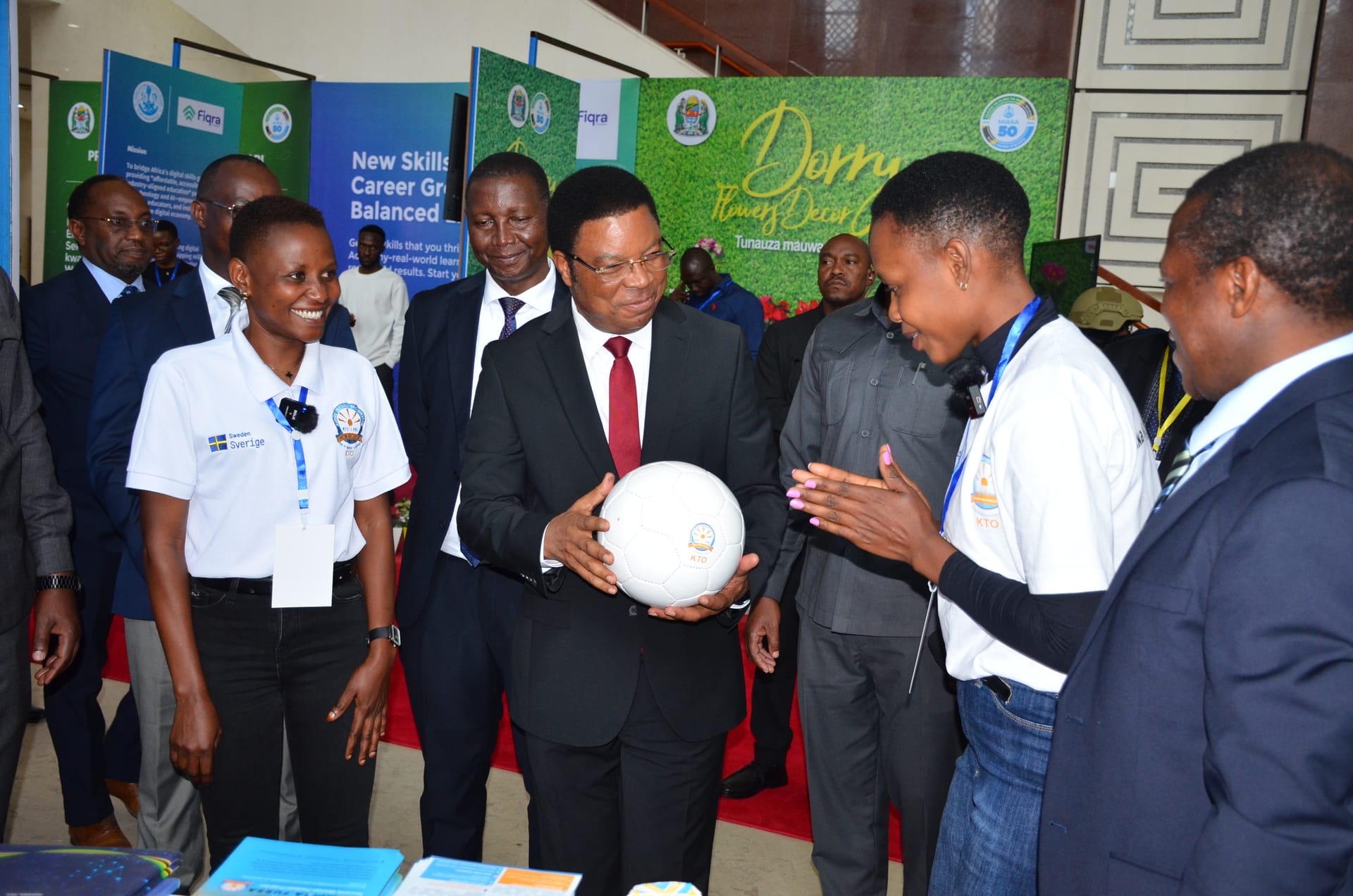
The event captured something important: this is not a small pilot. It is a system that produces, supplies, trains, and certifies, all within the same institutional framework.
The Full Circle
Step back and the circularity becomes clear.
A young woman enrolls in the Elimu Haina Mwisho (EHM) program at an FDC because she left school early. Through EHM, she enters the football production module. She learns to manufacture quality footballs. Those footballs are distributed to Mpira Fursa teams at 113 primary schools. On those teams, girls stay in school because regular sport participation improves attendance and retention. Fewer girls drop out. Fewer girls need EHM.
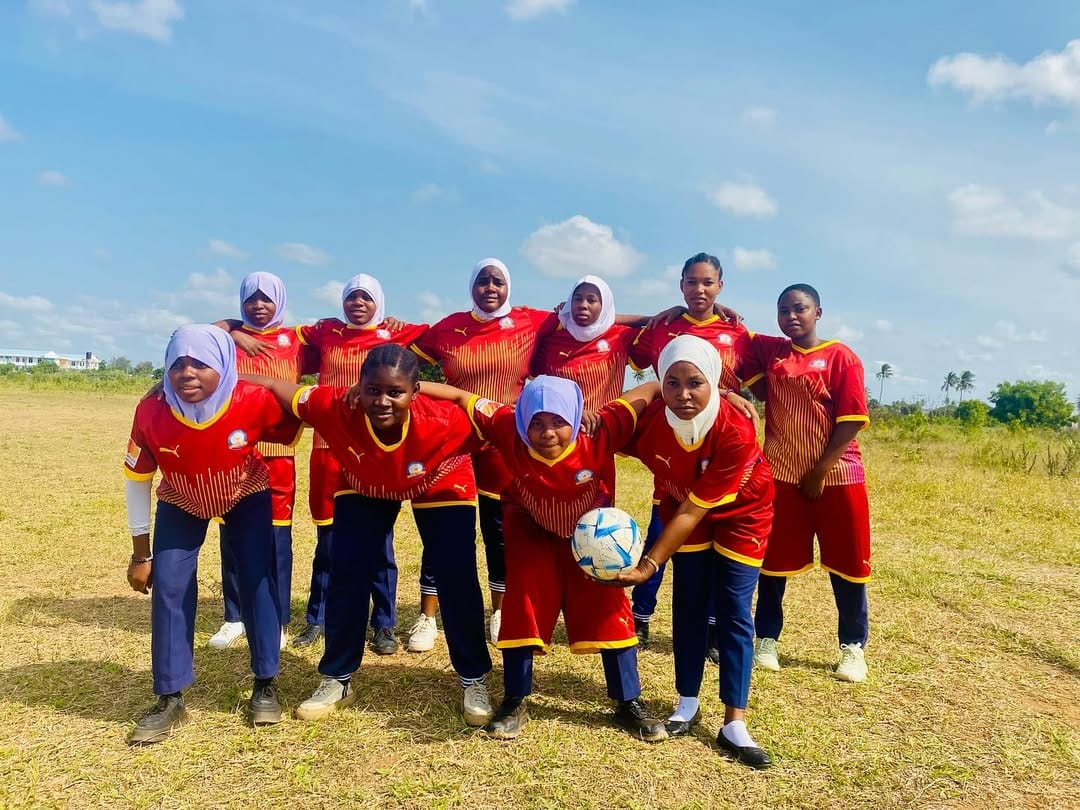
The program that rescues produces the equipment that prevents. That is not a slogan. It is the operational design. Each element, EHM enrollment, manufacturing training, Mpira Fursa participation, school retention, connects to the next in a cycle that strengthens with every rotation.
At the workshop, Amina finishes her football and passes it to a quality checker. It will be inflated, bounced, inspected, and cleared. Then it will travel to a primary school pitch somewhere in one of Tanzania's 24 participating regions. A girl will kick it. And the circle will continue.