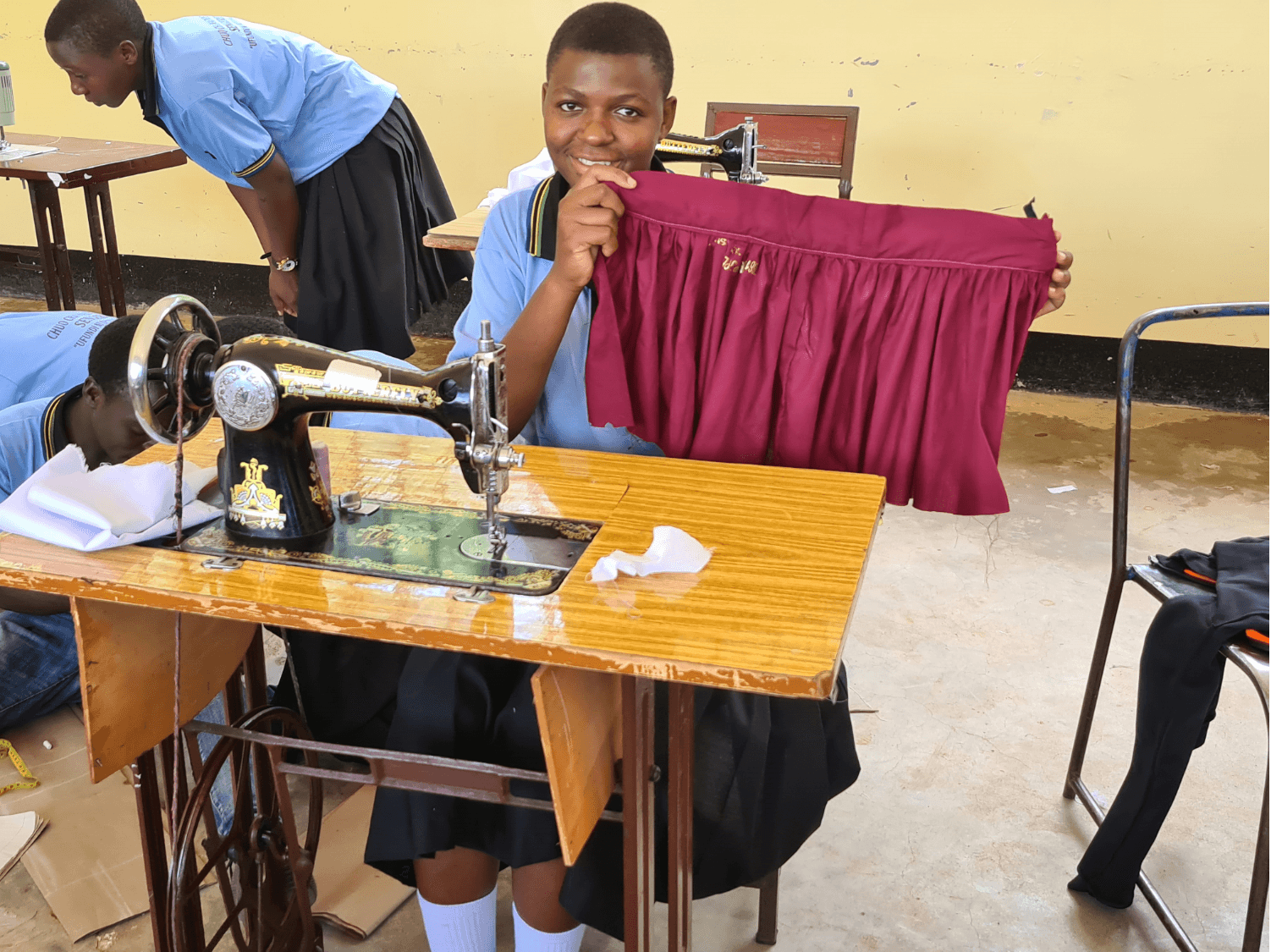
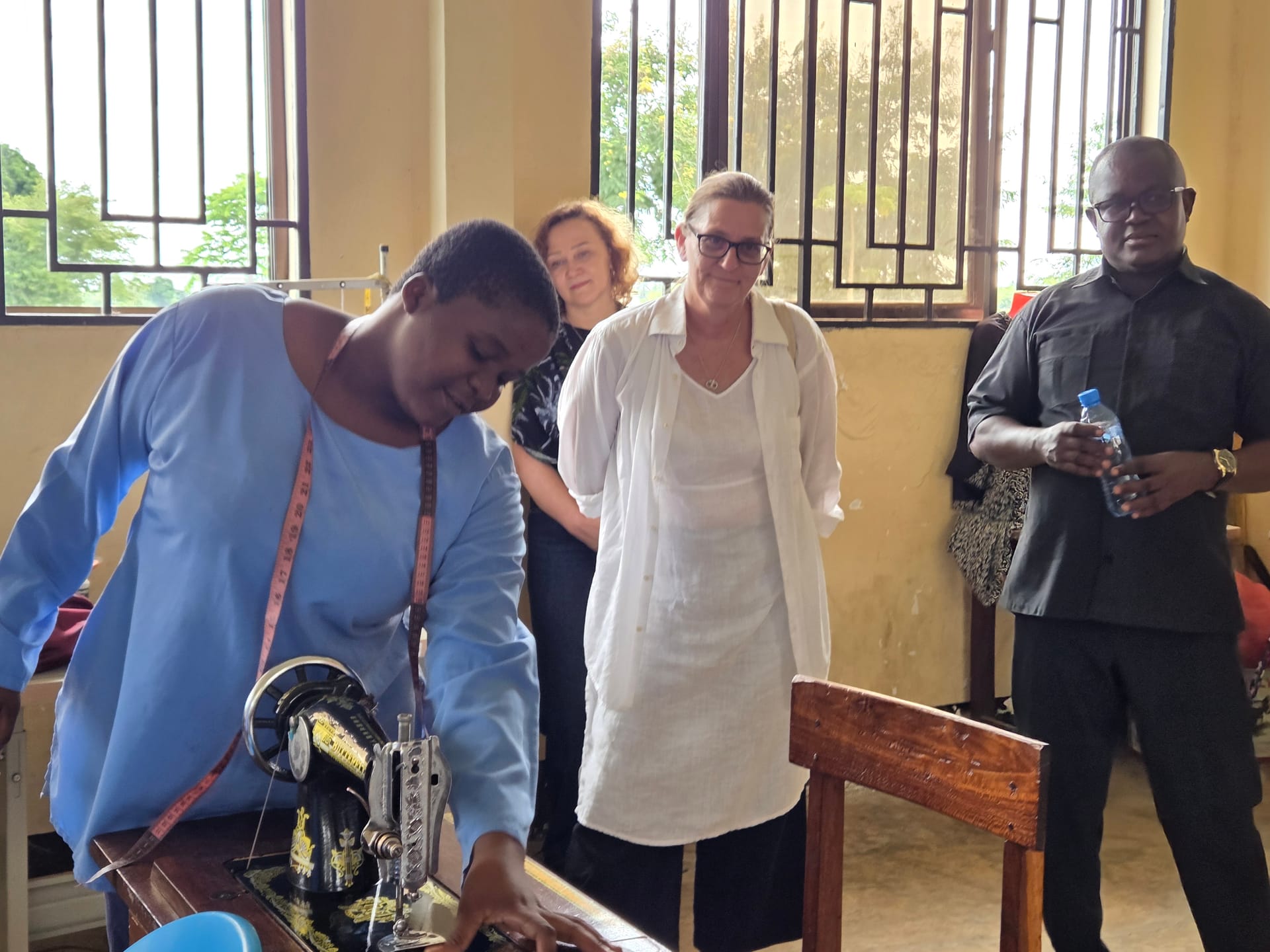
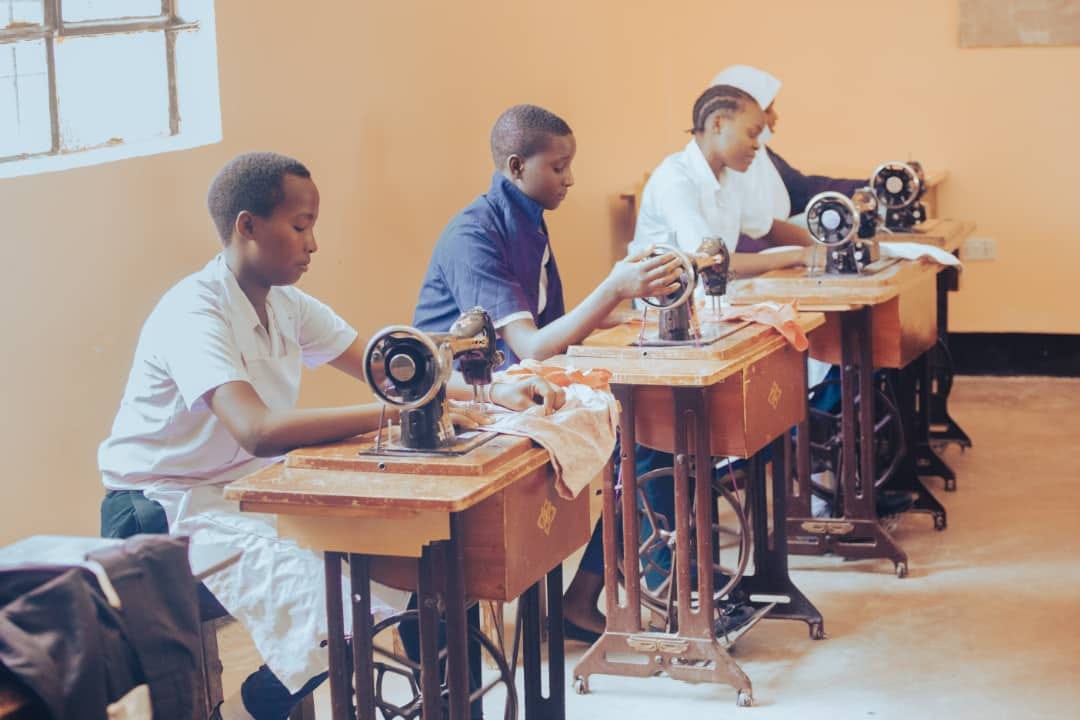
At Singida FDC, a graduate runs a straight seam down a length of kitenge fabric, pauses to check the tension, then feeds the next panel through. She finished the EHM program eight months ago. The sewing machine is her own, purchased with savings from a cooperative group she joined during her final year of training. On the table beside her: three completed school uniforms, due for delivery to a primary school down the road by Friday.
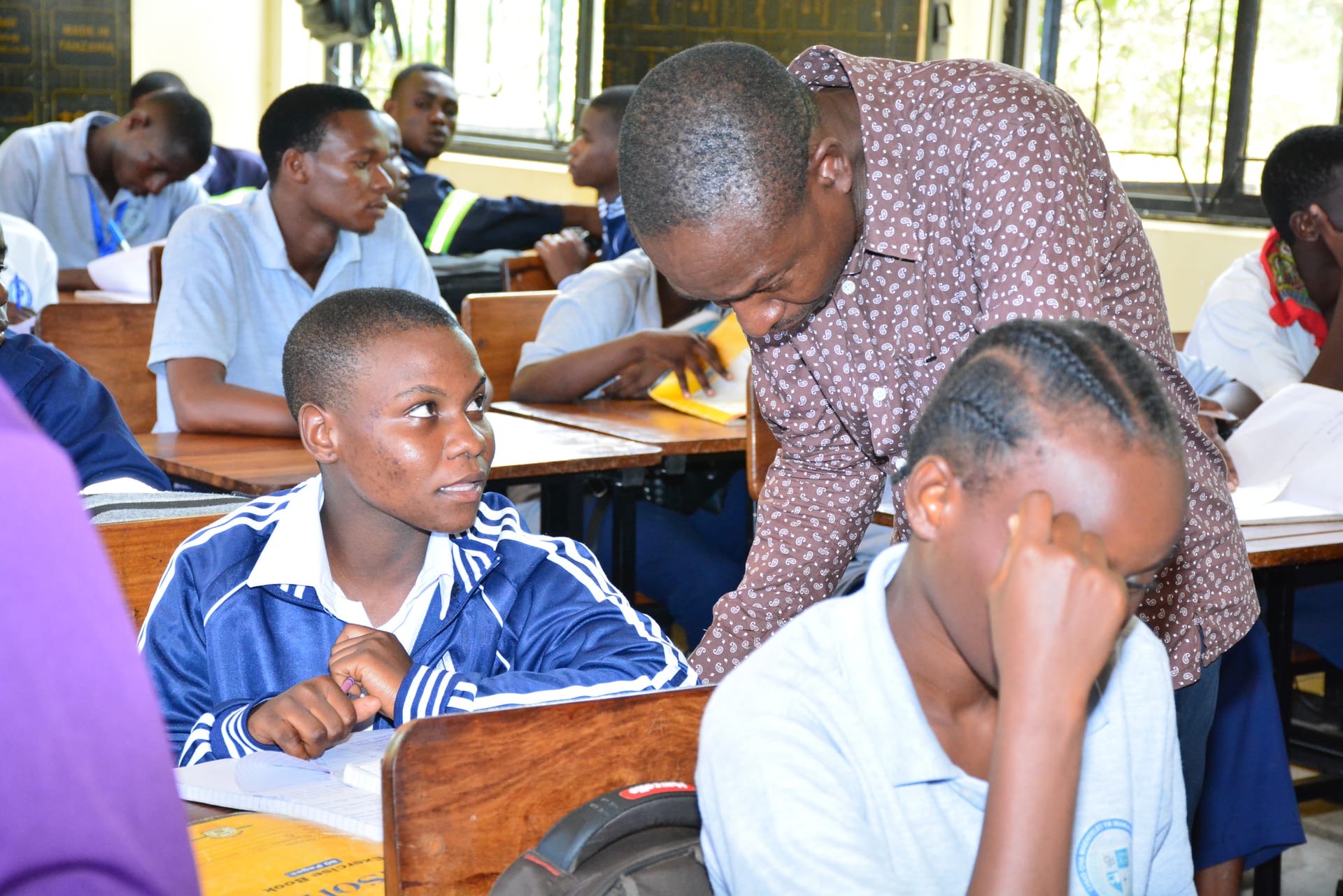
She is one of the 44% of Elimu Haina Mwisho graduates who are now self-employed. Another 11% found formal employment. Another 13% continued into further education. These are not aspirational targets. They are tracked outcomes from a program that has enrolled 11,181 young women across 54 Folk Development Colleges since 2019.
The curriculum behind the number
The 44% figure does not happen by accident. EHM is structured so that self-employment is a realistic outcome, not an afterthought bolted onto academic coursework.
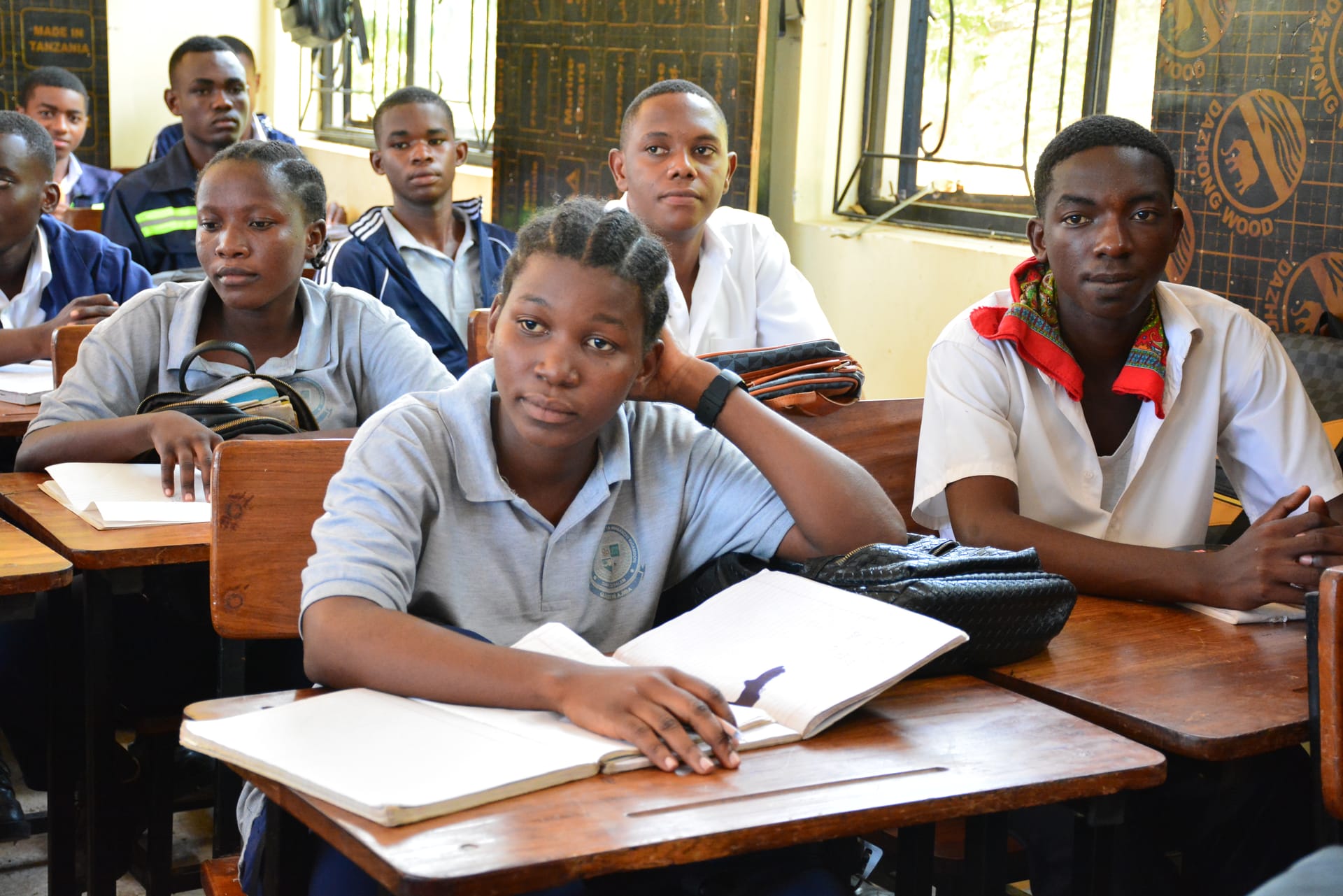
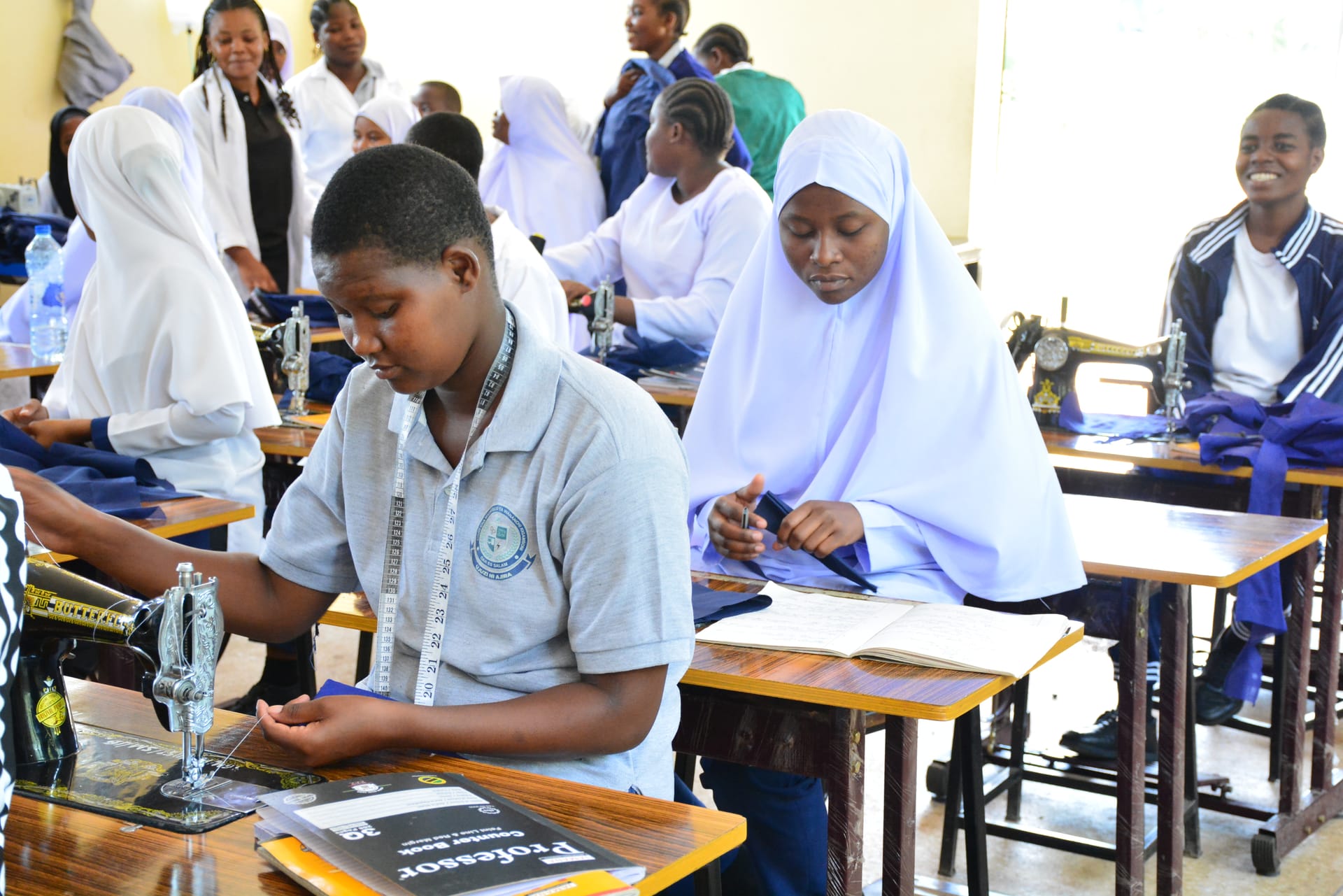
Starting in 2025, the program follows the national NVA Levels 1-3 curriculum over three years. Students choose a vocational track, with tailoring, food processing, and agriculture among the most popular. But every student, regardless of specialization, also studies entrepreneurship, financial management, and digital literacy. The idea is that a graduate who can sew also knows how to price her work, track her expenses, and market to local buyers.
At Singida and other FDCs, the training cycle works like this:
- Year 1 (NVA Level 1): Foundation skills in chosen trade, plus literacy, numeracy, and life skills
- Year 2 (NVA Level 2): Intermediate technical skills, introduction to business planning and financial management
- Year 3 (NVA Level 3): Advanced production, entrepreneurship practicals, cooperative formation, digital literacy
By the time a student graduates, she has spent three years not only learning a trade but practicing the business side of it.
What self-employment actually looks like
The word "self-employed" can mean many things. In the context of EHM graduates, it most commonly means small-scale production and service businesses rooted in the skills learned during training.
Tailoring is the most common pathway. Graduates set up workshops, sometimes in market spaces, sometimes from home. Clients are local: schools needing uniforms, families ordering clothes for weddings and holidays, neighbors who need alterations. The margins are modest but consistent.
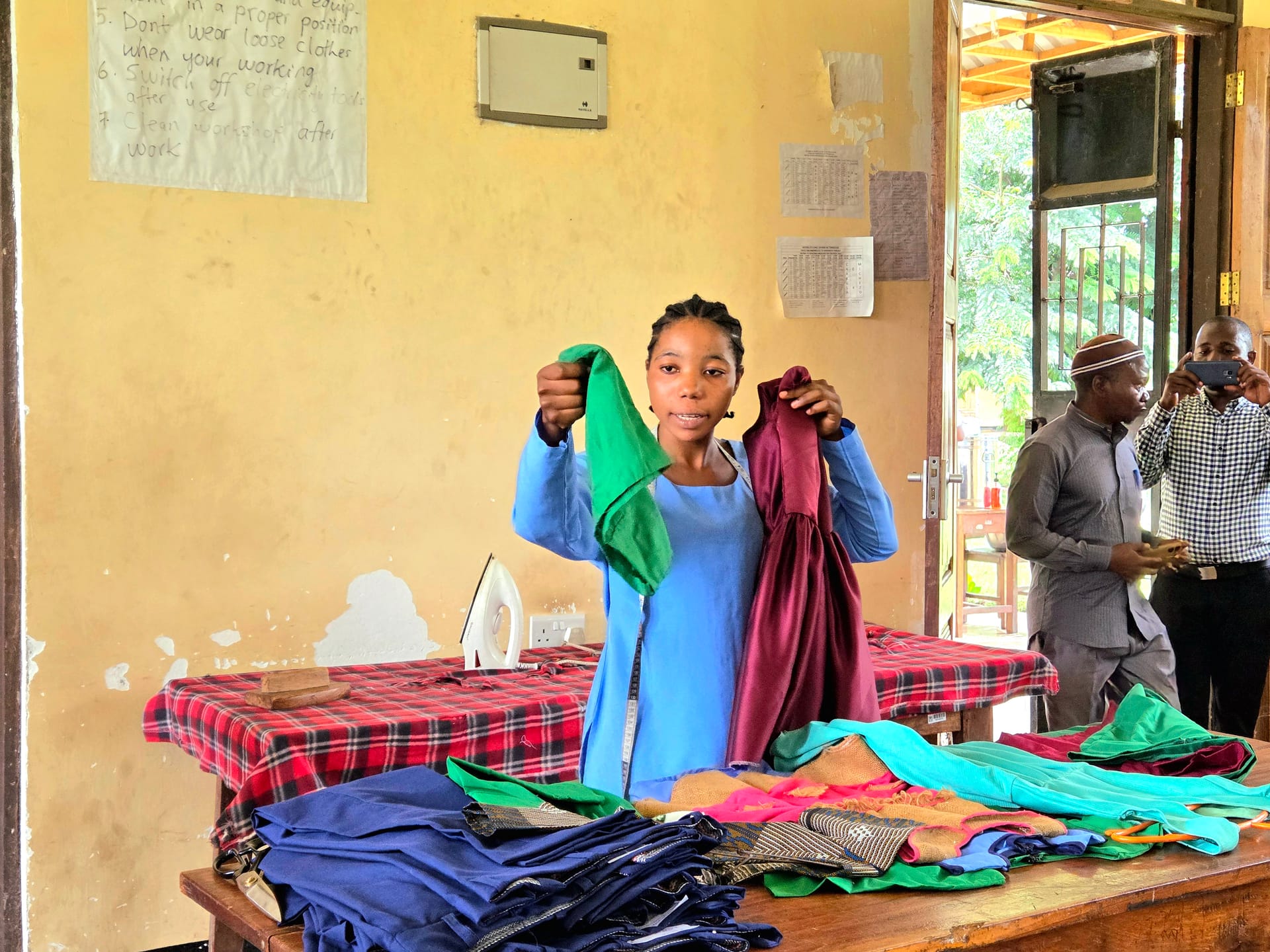
Food processing is another strong track. Graduates produce and sell preserved foods, baked goods, and prepared meals. Some operate from FDC-adjacent spaces, others from home kitchens that double as micro-enterprises.
Cooperative savings groups formed during training often continue after graduation. These groups pool resources, share equipment, and provide informal credit when a member needs capital to buy materials or repair a machine. The financial management training from Year 2 directly supports this.
"We do not train students and then hope they figure out what to do next. The business training runs alongside the vocational training from the beginning. By graduation, they have already started planning their enterprises."
The partnership that funds the model
EHM operates through a co-investment structure that is central to its scalability. The Tanzanian government provides the institutional backbone: teacher salaries (182 teachers trained, 136 men and 46 women), a fee waiver of 250,000 TZS per participant, and meal subsidies of 810,000 TZS per student per year. The government also recognized EHM formally in December 2024, aligning it with national education policy.
KTO's international partners fund program development, curriculum design, and monitoring. Sida (the Swedish International Development Cooperation Agency) and DVV International have been principal funders. KTO was admitted to the Education Sector Development Committee (ESDC), giving it a seat at the policy table.
This model means that the cost of producing a self-employed graduate is shared between public and civil society resources. The government invests in the infrastructure and staffing. Partners invest in the program quality. The graduate invests her time and effort over three years.
Beyond tailoring: the full skills range
While tailoring produces the largest share of self-employed graduates, EHM offers training across multiple vocational tracks:
- Tailoring and textile production
- Food processing and preservation
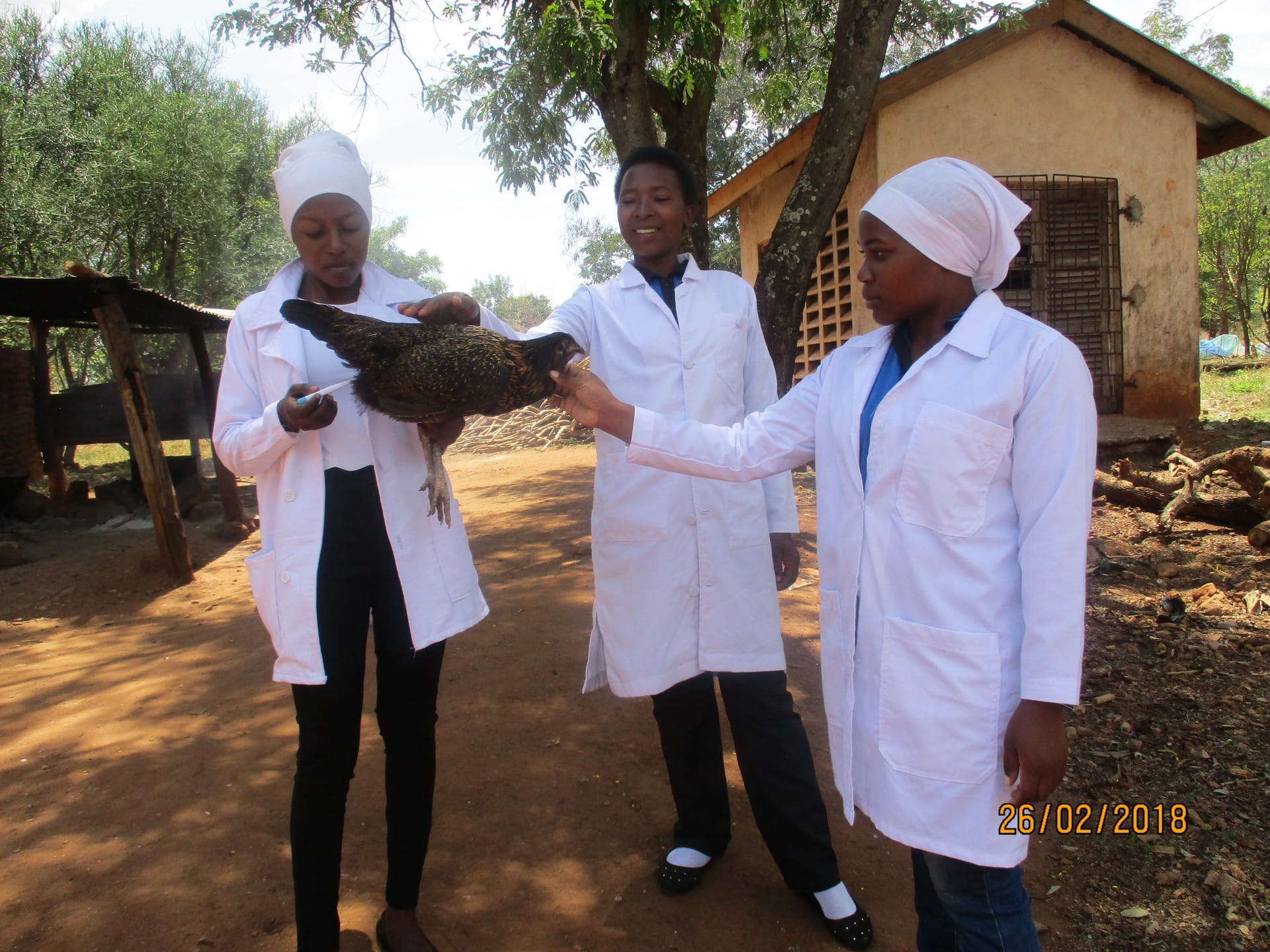
- Agriculture and poultry keeping
- Entrepreneurship and business management
- Digital literacy and computer skills
- Financial management
At some FDCs, graduates have moved into adjacent trades. The Mpira Fursa program, which operates alongside EHM at many campuses, partnered with the Dar es Salaam Institute of Technology (DIT) Mwanza to train 16 tailoring instructors in football production. Graduates from these programs now produce footballs, adding a manufacturing dimension to what started as a sewing curriculum.
The scale of the pipeline
The 44% self-employment rate applies across a large and growing population:
- 11,181 young women have participated since 2019
- 1,725 students enrolled in the 2025 cohort alone
- 54 FDCs now offer the program (up from 3 in the 2018 pilot)
- 21,104 total FDC learners across all programs in 2024/25
If the 44% rate holds for the 2025 cohort, roughly 760 of this year's graduates will start businesses. Multiply that across six years of cohorts and the cumulative effect is substantial: thousands of small enterprises seeded through a single program, distributed across every region of mainland Tanzania.
"The question people always ask is whether the training leads to real livelihoods. The data says yes. But the better question is how. The answer is that self-employment is built into the program from day one, not offered as a hope at the end."
What the remaining 56% tells us
The 44% self-employed figure is the headline, but the full picture matters. Of the remaining graduates: 11% found formal employment (in salons, workshops, food service, and agricultural enterprises), 13% continued their education at higher levels, and the rest are in various stages of transition. Some are caring for family members. Some are seeking opportunities in new locations.
No program converts 100% of participants into immediate economic outcomes. What distinguishes EHM is that the majority of graduates, over two-thirds, move into productive activity: employment, self-employment, or further study. For a population of young women who had previously left the formal education system, that conversion rate represents a functioning model.
The sewing machine at Singida FDC is one data point. Multiplied by 11,181 participants across 54 colleges in 24 regions, it becomes a pattern. And patterns, when they hold at national scale, become infrastructure.